

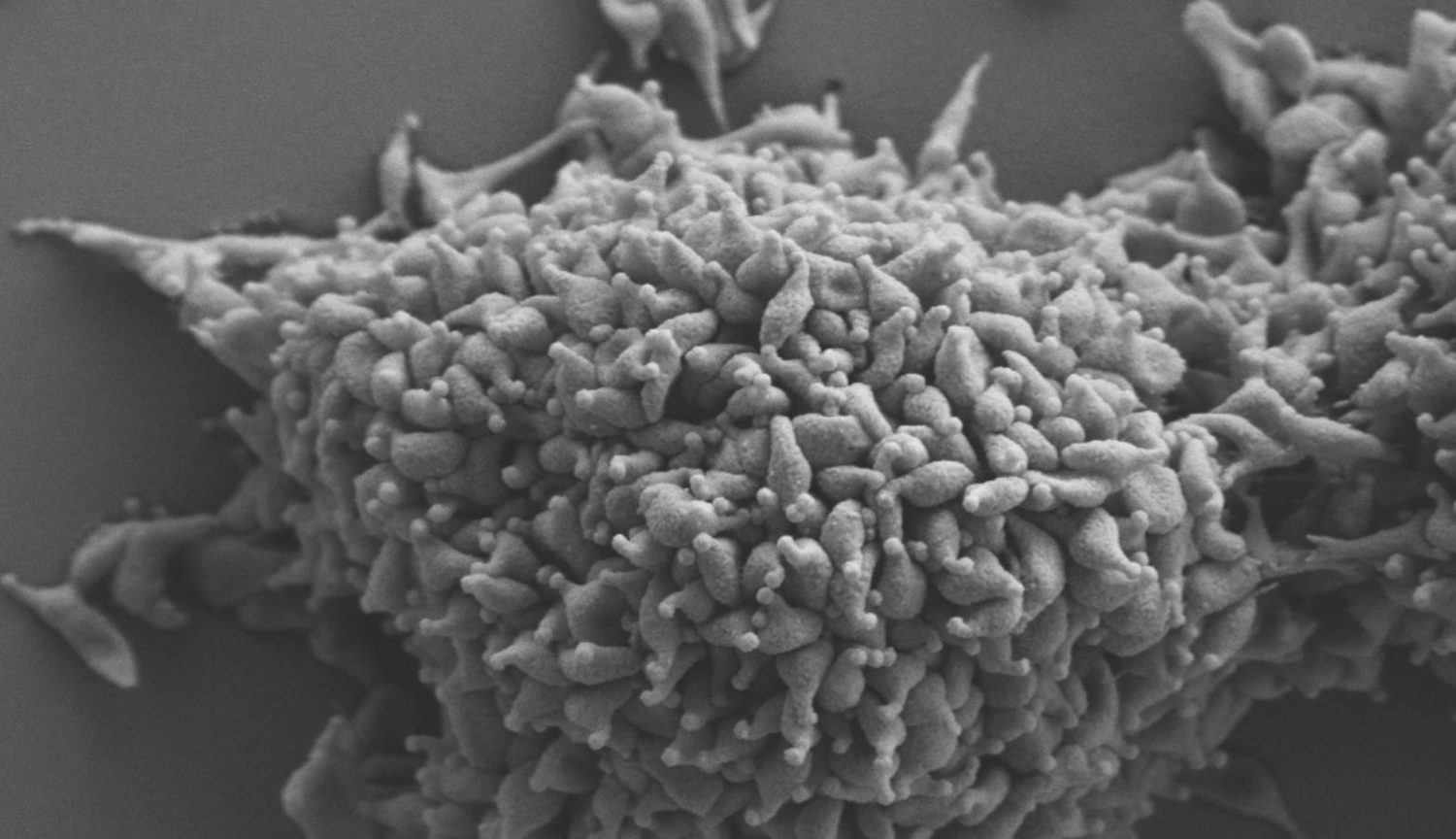
Hidden contamination is a common risk in cell therapy work. Contamination of mycoplasma is a real risk. It can slow cell growth and change your results. In some cases, it can make products unsafe. The hard part is that you may not see it early. It often stays hidden without proper testing. Many labs deal with this at some point. Even careful teams can miss it. You need to know where it comes from. That helps you stop it before it spreads. When you stay aware, you protect your work, your time, and your results. In this article, we’ve mentioned the most common sources of mycoplasma contamination and how they can affect your work.
Top 10 Common Sources of Mycoplasma Contamination in Cell Therapy
Small errors can lead to big issues. Some sources are easy to spot. Others are not. Here are the most common ways Mollicutes bacteria contamination enters your work.
1. Contaminated Cell Lines
Cell lines are a common starting point for Mollicutes bacteria contamination. Many labs reuse or share them. Not all of them are tested well before use. One bad batch can affect many others.
- Old cell stocks that were never tested
- Missing or unclear cell history
- Mixing up cell lines during handling
You may not see any change in the cells at first. But the contamination can still be there. Test all new cell lines before you use them.
2. Laboratory Personnel
People are a frequent source of Mollicutes bacteria contamination. It spreads through simple actions. Even small slips can cause issues.
- Talking or coughing near open cultures
- Not washing hands well
- Skipping gloves or masks
Some types like Mycoplasma pneumoniae live in the throat. This makes it easy to pass into the lab. Good hygiene can lower this risk a lot.
3. Contaminated Reagents
Reagents can carry hidden mycoplasma contamination. You may trust the source, but risks still exist. Storage and handling also matter.
- Serum that was not screened well
- Media stored at the wrong temperature
- Using items past their expiry
You should test key reagents when possible. Do not assume they are clean. Careful checks can save your work.
4. Improper Aseptic Techniques
Your daily habits matter a lot. Small mistakes can lead to Mollicutes bacteria contamination. It often starts with poor sterile practice. You may feel your routine is fine, but small slips add up. Even quick shortcuts can create risk.
- Not cleaning tools before use
- Keeping culture vessels open too long
- Working outside clean areas
Poor technique can expose your cultures to hidden contaminants. It can also make your results less reliable over time. You should stay focused during every step. Follow the same clean process each time. Strong habits help you avoid repeat mistakes.
5. Cross-Contamination Between Cultures
Handling many samples at once can spread mollicutes bacteria contamination. It can move fast between cultures. One mistake can affect all your work. You may not notice when it spreads. It often happens during routine handling.
- Using one pipette for many samples
- Sharing media across cultures
- Weak or missing labels
Cross-contamination can ruin multiple batches at once. It also makes it hard to trace the source later. You should handle one culture at a time when possible. Use separate tools for each sample. Stay organized to reduce errors.
6. Incubators and Equipment
Your tools can hold mycoplasma contamination. If not cleaned, they become a source. It can spread each time you use them. You may not see buildup, but it can still affect your cultures. Even one missed cleaning cycle can create risk.
- Incubators that are not cleaned often
- Dirty water trays
- Reused tools without cleaning
Unclean equipment can spread contamination across many samples. It can also affect growth conditions without clear signs. You should clean all tools on a fixed schedule. Replace or sanitize parts when needed. Regular checks help you keep your setup safe and stable.
7. Airborne Contamination
Mollicutes bacteria contamination can spread through air. Tiny droplets can carry it. Busy labs increase this risk. You may not notice it as it moves. It can reach open cultures very fast.
- Poor air filters
- Too many people moving around
- Doors left open
Air flow plays a big role in lab safety. Sudden movement can disturb clean zones. This increases the chance of contamination. You should work in controlled areas at all times. Limit traffic near active work. Keep your setup stable and clean.
8. Contaminated Lab Surfaces
Surfaces can pass on mycoplasma contamination. They may look clean but still carry risk. This happens often in shared spaces. Even a small missed spot can spread it. You may not see it, but it can still transfer to your samples.
- Benches not wiped well
- Spills left for later
- Shared areas without cleaning
Dirty surfaces can affect many samples at once. Contamination can move from tools to cultures very fast. You should clean all work areas with care. Use proper disinfectants each time. Make this a fixed step in your routine.
9. Improper Storage Conditions
Storage affects mycoplasma contamination. Poor control can let it grow. You need stable conditions at all times. Small changes in storage can create risk. You may not notice the impact right away.
- Wrong temperature settings
- Too many items in one space
- Opening storage units too often
Unstable storage can stress your cells. This makes them more prone to contamination. It can also reduce cell quality over time. You should avoid frequent changes in conditions. Keep your storage clean and well-organized. Regular checks help you catch issues early.
10. Use of Antibiotics as a Crutch
Antibiotics can hide mollicutes bacteria contamination. They may reduce signs but not remove it. This gives a false sense of safety. You may think your cultures are clean when they are not. Over time, this can damage your results and waste effort.
- Using antibiotics without testing
- Ignoring low-level contamination
- Delaying proper checks
Antibiotics can also affect how your cells behave. This can change your data without you noticing. Some mollicutes bacteria can even become resistant over time. You should use antibiotics with care and only when needed. Regular screening helps you stay sure about your culture health.
Conclusion
Mycoplasma contamination can affect every step of your work. It often stays hidden until it causes damage. You can reduce the risk with simple habits. Keep your lab clean. Test your cells and reagents. Follow strict handling steps. Stay consistent every day. These actions protect your results. They also save time and cost. Xellera Therapeutics focuses on strong testing and clean processes. You can do the same by staying aware and careful at all times. Sign up for more information.


















Leave a Reply