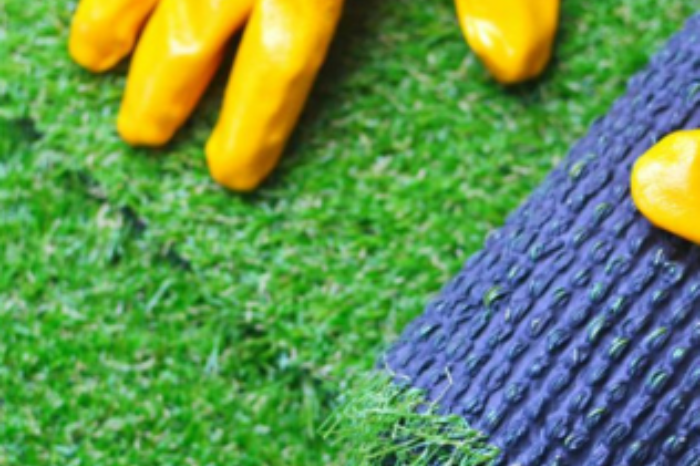
Artificial grass installation has become one of the most widely used landscaping solutions for homes, offices, and commercial properties. It provides a clean, green, and natural-looking surface without the constant maintenance required by real grass. With rapid urban development and busy lifestyles in modern cities, artificial turf is now a practical and stylish alternative for outdoor and indoor green spaces. It is especially popular in hot climates where maintaining natural grass is difficult and expensive.
Artificial grass is made from synthetic fibers such as polyethylene, polypropylene, or nylon. These materials are designed to mimic the look and feel of real grass while offering long-lasting durability. Once installed, it maintains its green appearance throughout the year without watering, mowing, or fertilizing. This makes it a highly efficient solution for both residential and commercial environments.
Why Artificial Grass is Becoming Popular
Artificial grass has gained strong popularity due to its practicality and visual appeal. In urban environments where space and water are limited, it offers an ideal solution for creating green areas without natural maintenance challenges. It is now commonly used in villas, apartments, offices, schools, playgrounds, and commercial buildings.
One of the main reasons for its growing demand is its ability to remain green in all seasons. Unlike natural lawns, artificial grass does not depend on weather conditions or soil quality. It also reduces maintenance costs significantly, making it a cost-effective long-term investment for property owners.
Key Benefits of Artificial Grass Installation
Artificial grass offers several important benefits that make it a preferred choice for modern landscaping projects.
1. Low Maintenance Requirement Artificial grass does not require mowing, trimming, or fertilizing. This saves time and effort, making it ideal for busy homeowners and commercial spaces.
2. Water Conservation Since it does not need irrigation, artificial turf helps reduce water consumption significantly. This is especially useful in regions where water conservation is important.
3. Long-Term Durability High-quality artificial grass can last many years without losing its shape or color, even in areas with heavy foot traffic.
4. Weather Resistance It performs well under extreme weather conditions, including strong sunlight, rain, and heat, making it suitable for outdoor environments.
5. Safe for Children and Pets Artificial grass provides a soft and cushioned surface, making it safe for play areas and reducing the risk of injuries.
6. Clean and Allergy-Free Environment Unlike natural grass, artificial turf does not produce pollen or attract insects, making it suitable for people with allergies.
Types of Artificial Grass Available
Different types of artificial grass are designed for different uses and environments. Choosing the right type depends on the purpose of installation.
Decorative Artificial Grass This type is used for balconies, indoor decoration, and small garden spaces. It is mainly focused on visual appeal.
Landscape Artificial Grass Designed for gardens, villas, and outdoor lawns, this type closely resembles natural grass and is commonly used in residential projects.
Sports Artificial Used in football fields, cricket grounds, and training areas. It is highly durable and designed to withstand heavy usage.
Soft Pile Artificial This type is ideal for children’s play areas and pet zones due to its soft texture and comfortable surface.
Commercial Artificial Used in hotels, restaurants, exhibitions, and retail spaces for decorative and branding purposes.
Artificial Installation Process
Proper installation is essential to ensure durability, performance, and visual appeal. The process involves several important steps.
Step 1: Site Inspection and Planning The installation area is measured and evaluated to determine the required materials and layout design.
Step 2: Surface Preparation The ground is cleaned thoroughly, and any debris, stones, or uneven surfaces are removed to create a smooth base.
Step 3: Base Layer Creation A base layer of crushed stone or sand is added to improve drainage and provide stability.
Step 4: Compaction of Base The base layer is compacted using machinery to ensure a firm and even surface.
Step 5: Laying the Artificial Grass The turf is rolled out carefully over the prepared surface according to the required layout.
Step 6: Cutting and Joining Sections Edges are trimmed precisely, and multiple turf sections are joined using adhesive tape or bonding materials.
Step 7: Fixing the Turf The artificial grass is secured using nails or strong adhesives to prevent movement or shifting.
Step 8: Brushing and Final Touches The fibers are brushed to make them stand upright, giving a natural and realistic grass appearance.
Common Applications of Artificial Grass
Artificial is highly versatile and can be used in many different environments.
It is commonly installed in residential gardens, villa backyards, balconies, and rooftop terraces. It is also widely used in commercial landscapes such as hotels, restaurants, cafes, and shopping centers. Schools and playgrounds use artificial turf for safe and durable play areas. Sports facilities also rely on it for football, cricket, and training grounds due to its strength and consistency.
Maintenance Tips for Artificial Grass
Although grass requires very little maintenance, some basic care helps extend its lifespan.
Regularly removing dust, leaves, and debris keeps the surface clean. Occasional washing with water helps maintain freshness. Brushing the fibers ensures they stay upright and natural-looking. It is also important to avoid placing extremely heavy or sharp objects on the surface to prevent damage.
With proper care, artificial grass can maintain its appearance and functionality for many years.
Artificial Grass vs Natural Grass
Artificial and natural grass both have their advantages, but they serve different needs.
Natural grass offers a natural feel and fresh smell but requires constant maintenance, watering, and fertilizing. It also depends heavily on weather conditions and soil quality.
Artificial grass, on the other hand, requires minimal maintenance and remains green throughout the year. It has a higher initial installation cost but provides long-term savings in water and maintenance expenses. For modern urban environments, artificial grass is often the more practical choice.
Final Thoughts
Artificial grass installation is a smart and modern solution for creating attractive green spaces without the challenges of natural lawn care. It combines beauty, durability, and convenience, making it suitable for both residential and commercial applications. Whether used in gardens, rooftops, balconies, or commercial landscapes, artificial turf delivers a consistent green look throughout the year. With professional installation and basic maintenance, it remains one of the most efficient and visually appealing landscaping solutions available today.