A Finished Room Is Less About Stuff, More About Intent
A room doesn’t feel “done” just because you filled it with furniture. That’s the first misconception people run into. You can spend a lot, buy nice things, and still end up with a space that feels… off.
What makes a room feel finished is intention. Like someone actually thought through how it’s going to be used, not just how it looks in a photo.
Most of the time, it’s not about adding more. It’s about stopping at the right point.

Balance Between Empty Space and Filled Space
One of the easiest tells of a well-designed room is balance. Not everything is crammed in, but it’s not empty either.
People often lean too far one way. Either they overfill every corner, or they leave too much space and it feels like a waiting room.
A finished room has breathing space. You can move around without bumping into things, but it still feels lived in.
That balance is harder than it sounds. It takes a bit of trial and error, honestly.
Lighting Changes Everything More Than People Admit
Lighting is probably the most underrated part of design. You can have average furniture and good lighting and still make it work.
But the opposite doesn’t really hold up.
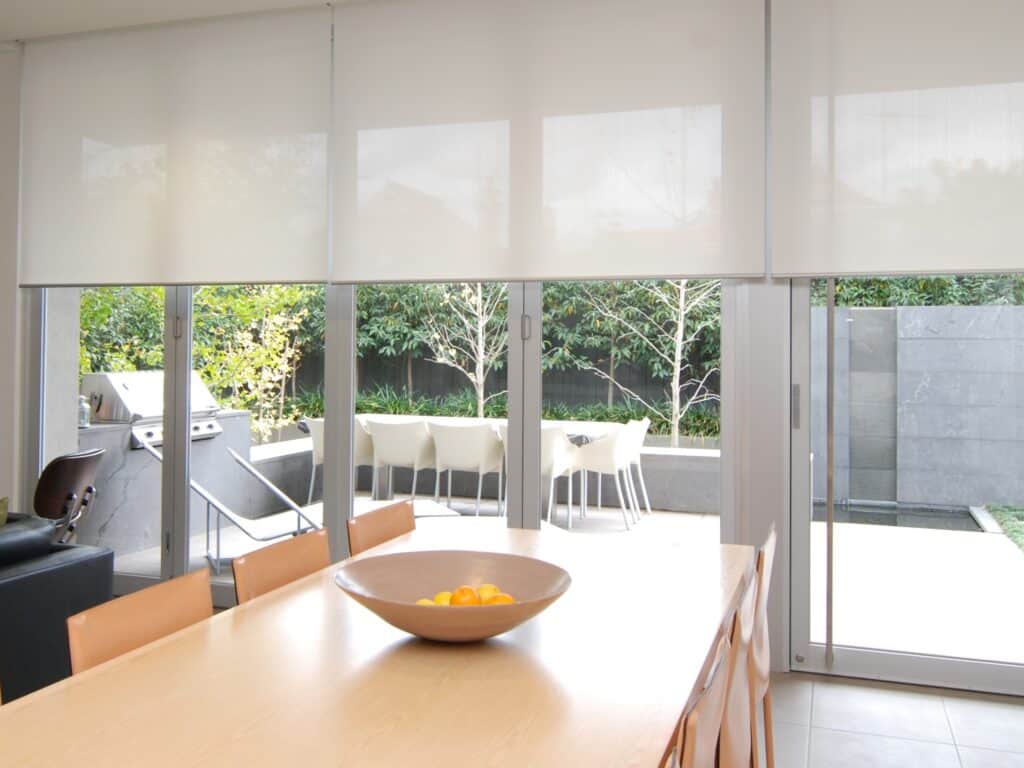
A well designed room usually has layers of light. Natural light during the day, softer lighting at night, maybe a focused lamp in a corner and budget blinds rochester ny .
Harsh overhead lighting tends to ruin the mood fast. It flattens everything.
When lighting is done right, the room starts feeling intentional without you even noticing why.
Furniture Placement That Actually Makes Sense
A lot of rooms feel unfinished simply because furniture is placed randomly.
Couches pushed against walls for no reason. Chairs floating with no purpose. Tables too far or too close.
Good design isn’t about symmetry. It’s about flow.
You should be able to walk through a room without thinking about it. And seating should naturally face something, even if it’s just conversation or a window.
When furniture placement makes sense, the room instantly feels more complete.
Color Choices That Don’t Fight Each Other
Color doesn’t need to be complicated. In fact, the simpler it is, the more “finished” the room tends to feel.
Too many competing colors can make a space feel messy even if everything is expensive.
Neutral tones usually act as the base. Then you add one or two accents. That’s it.
When colors work together instead of competing, the room feels calmer. More deliberate.
And calm spaces usually read as well designed without trying too hard.
Texture Is What Makes a Room Feel Real
This is something people skip a lot. They focus on color and shape, but forget texture.
A room with only smooth surfaces feels flat. Even if it looks clean.
You need contrast. Soft fabrics against harder materials. Wood next to metal. Something that breaks visual monotony.
Texture is what makes a space feel real instead of staged.
It’s subtle, but once it’s missing, you notice it immediately.
The part of Negative Space in Design
Empty space is not wasted space. That’s a hard shift for some people.
Negative space helps everything additional stand out. It gives the eye a place to rest.
A room packed edge to edge feels stressful, even if nothing is technically wrong with it.
Well designed apartments know when to stop adding effects. That restraint is part of what makes them feel finished.
Small Details That still Pull Everything Together
The difference between “nearly done” and “this feels right” frequently comes down to small details.
effects like curtains rochester ny , hairpiece size, how artwork is hung, or even how cords are hidden.
None of these are dramatic on their own. But together, they change everything.
A room feels complete when you stop noticing miscalculations and start noticing cohesion.
That’s the real shift.
Thickness Without Making Everything Match
Matching everything used to be the thing. Same wood tone, same fabric, same finish far and wide.
Now it feels a bit rigid.
A well designed room keeps thickness in mood, not sameness in objects.
You can mix styles, accoutrements, even ages, and still make it work if there’s a common thread holding it together.
That thread could be color, shape, or even just simplicity.
Final studies on What Makes a Room Feel Finished
A finished room doesn’t scream for attention. It just feels right when you walk in.
Nothing feels accidental. Nothing feels like it’s still staying to be fixed.
It’s not about perfection either. Some apartments are slightly amiss and still feel complete because they’re purposeful.
At the end of the day, good design is lower about rules and further about mindfulness. Knowing when to add, when to stop, and when to just let a space breathe.