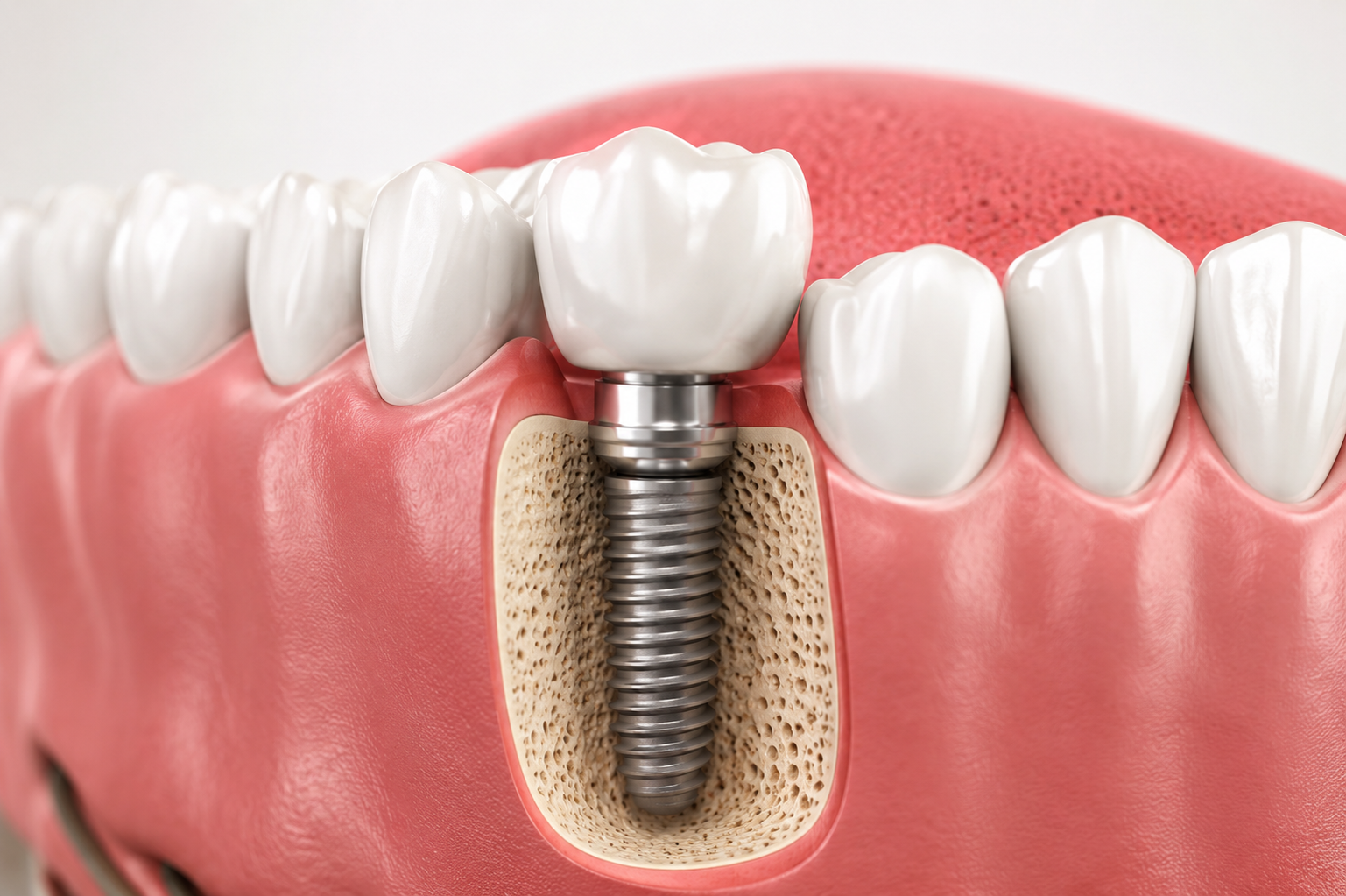
Let’s start simple. When people ask about smiles dental implants, they’re usually asking one thing — “Is this thing going to last, or am I signing up for another dental headache in five years?” Fair question. A dental implant isn’t just a fake tooth sitting on your gums. It’s a titanium post placed into your jawbone that acts like a tooth root. Bone grows around it. It becomes part of you. That’s the whole point. It’s not removable like dentures. It’s not relying on neighboring teeth like a bridge. It stands on its own.
Now, does that mean it lasts forever? Not automatically. Nothing in the human body is truly “forever.” But implants are designed to be long-term. Decades long. And in many cases, yes, they can last the rest of your life.
Are They Actually Permanent?
Here’s the honest answer — smiles dental implants are considered a permanent solution because the titanium post fuses with your jaw. That fusion process, called osseointegration, is what gives implants their strength. Once healed, it’s stable. Solid. You chew on it like a real tooth.
But permanence depends on you too. Oral hygiene still matters. If someone gets implants and then skips cleanings, ignores gum inflammation, or smokes heavily, that implant can fail. Not common, but possible. A good family dentist in Burbank area will tell you that upfront. Implants aren’t magic. They’re dentistry. And dentistry works best when you take care of it.
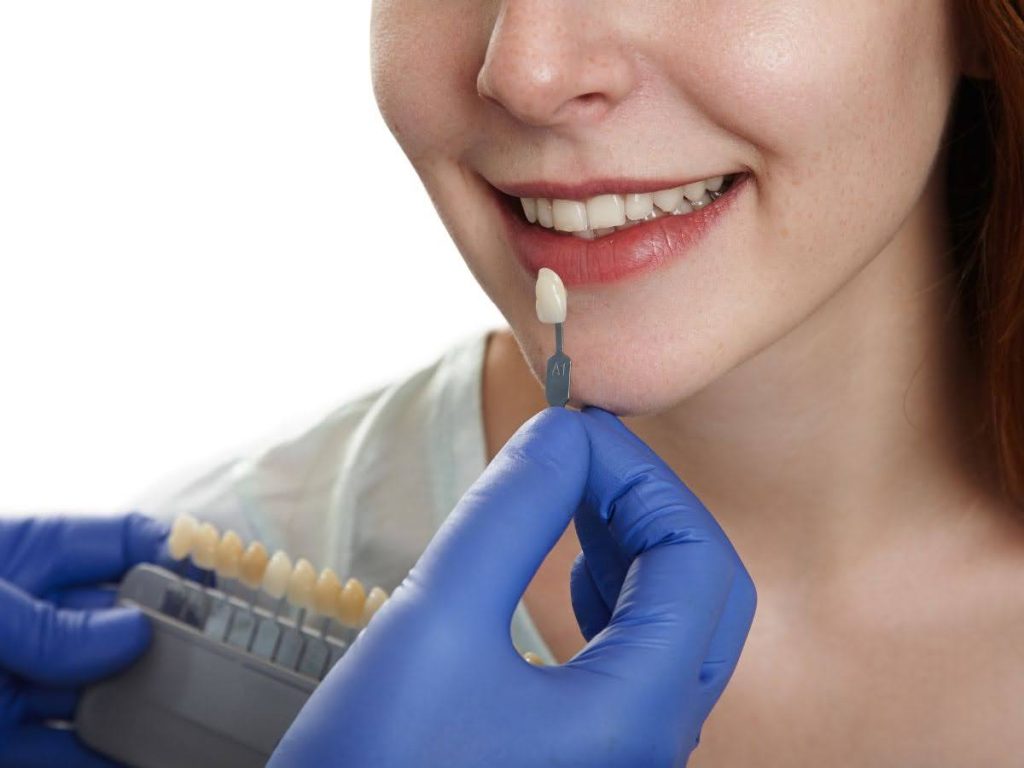
Why People Choose Implants Over Other Options
Dentures move. Bridges depend on other teeth. Implants don’t. That independence is a big reason people invest in smiles dental implants. They look natural because they come out of the gum like a real tooth. They feel stable because they’re anchored into bone. And they help preserve bone, which is something most patients don’t realize.
When you lose a tooth, the bone underneath starts shrinking. Slowly. Over time your face shape changes a bit. It’s subtle at first. Implants stimulate the bone again. That keeps things fuller, healthier. A skilled family dentist in Burbank area will always consider bone health when recommending treatment. It’s not just about filling a gap. It’s about protecting your long-term oral structure.
The Process Behind Smiles Dental Implants
A lot of people hear “implant” and imagine something dramatic. Big surgery. Weeks of pain. That’s usually not how it goes. The process for smiles dental implants is actually methodical, not chaotic. First comes the consultation. X-rays. Maybe a 3D scan. Your dentist checks bone levels, gum health, bite alignment. If something’s off, they address it first. No rushing.
Then comes placement. The titanium post is inserted into the jawbone in a controlled, precise procedure. It’s not guesswork. It’s planned down to millimeters. After that, healing time matters. This is the part patients sometimes struggle with because it requires patience. The implant needs time to bond with the bone. That bond is what makes it strong. Skip the healing window or overload it too early, and you risk problems.
A careful family dentist in Burbank area will monitor that healing stage closely. They don’t just place it and disappear. Follow-ups matter. They check gum tissue, look for inflammation, make sure integration is progressing normally. Dentistry isn’t just about procedures. It’s about supervision and timing.
Single Tooth vs. Multiple Implants
Not every case looks the same. Replacing one missing tooth is different from restoring several. Some patients need a single implant with a crown. Others may require implant-supported bridges. In more complex situations, full-arch restorations come into play. That’s where implants anchor an entire set of teeth.
The good thing is flexibility. Smiles dental implants aren’t a one-size-fits-all treatment. They’re adaptable. A skilled provider tailors the approach based on bone structure, age, medical history, and long-term goals. Sometimes a bone graft is necessary. Sometimes it’s not. Every mouth tells a different story.
And here’s something people don’t always hear — even long-time denture wearers can often switch to implants. Bone loss might require additional steps, sure, but it’s not automatically a deal breaker. A family dentist in Burbank area who understands implant planning can guide patients through those options instead of shutting the door too quickly.
Lifestyle After Getting Implants
Life after implants? Surprisingly normal. That’s the whole point. Once healing is complete and the final crown is placed, most patients go back to eating foods they avoided for years. Crunchy vegetables. Steak. Nuts. No sliding dentures. No adhesive mess.
Speech improves too. Loose teeth or gaps can change how words come out. Implants stabilize that. They feel grounded. That grounded feeling changes confidence. People smile wider. They stop covering their mouth mid-laugh. It’s subtle, but noticeable.
And here’s a small truth — patients often say they wish they had done it sooner. Not because it was trendy. Because it removed daily frustration. Smiles dental implants don’t just replace teeth. They remove worry. They simplify things.
Of course, routine dental care continues. Regular cleanings. Exams. Monitoring gum health. Your relationship with your family dentist in Burbank area doesn’t end after the implant crown is placed. If anything, it becomes more important. Preventive care protects the investment.
So when people ask whether implants are worth it long-term, the better question might be this — how much is stability worth to you? For many, the answer becomes clear once they stop struggling with temporary fixes.
How Long Do Smiles Dental Implants Last?
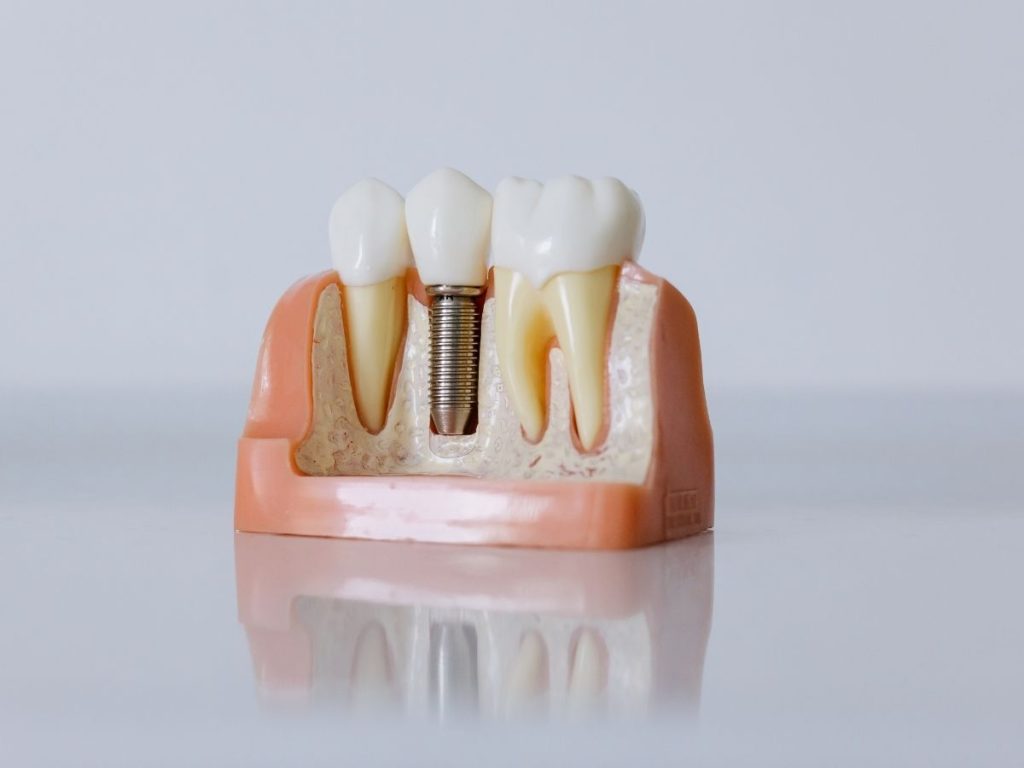
Let’s talk numbers. Studies often show implant success rates above 90–95% over ten years. Many last 20 years or more. Some patients still have their original implants after 30 years. That’s not hype. That’s real clinical history.
The crown on top — the visible tooth — may need replacement at some point due to wear. That’s normal. Crowns take chewing pressure every day. But the implant post itself? If it’s integrated properly and the gums stay healthy, it can stick around for the long haul. I’ve seen patients forget which tooth is even the implant because it just feels like theirs.
What Can Cause an Implant to Fail?
No sugarcoating this part. Failure can happen. Usually early, during healing, or much later due to gum disease. Poor oral hygiene, uncontrolled diabetes, heavy smoking — those increase risk. So does ignoring regular dental care.
That’s why choosing the right provider matters. An experienced family dentist in Burbank area won’t rush the process. They’ll check bone density. Evaluate gum health. Maybe recommend a bone graft if needed. The prep work is half the battle. Done right, implants thrive. Done sloppy, problems follow.
The Maintenance Reality
People sometimes think “permanent” means “no maintenance.” Not true. You still brush. You still floss. You still show up for cleanings. Implants don’t get cavities, sure, but the gums around them can get infected. That’s called peri-implantitis. It’s basically gum disease around an implant.
The good news? It’s preventable. Daily care at home plus routine visits with your dentist keeps things steady. Honestly, once healed, most patients say caring for smiles dental implants feels no different than caring for natural teeth. Maybe even easier because there’s no sensitivity from decay.
Cost vs. Long-Term Value
Implants aren’t the cheapest option upfront. Let’s be real. They cost more than dentures or bridges. But here’s where people shift their thinking. Dentures often need relining. Bridges may need replacing if supporting teeth weaken. Implants tend to stand alone without affecting other teeth.
Over 15 or 20 years, many patients find implants cost less in maintenance and replacement work. More importantly, they feel better. You eat normally. Speak normally. Smile without thinking twice. That kind of confidence isn’t easy to put a price tag on.
So, Are Smiles Dental Implants a Permanent Solution?
Short answer? Yes — they’re designed to be permanent. Long answer? They’re as permanent as the care you give them and the expertise behind their placement. When done properly and maintained well, smiles dental implants can last decades, sometimes a lifetime.
If you’re considering them, talk to a trusted family dentist in Burbank area who takes time to evaluate your overall dental health, not just the missing tooth. Ask questions. Understand the healing timeline. Know what recovery looks like. The more informed you are, the better your outcome.
Implants aren’t a quick fix. They’re a commitment. But for many patients, they’re one of the best decisions they’ve made for their oral health and confidence.