

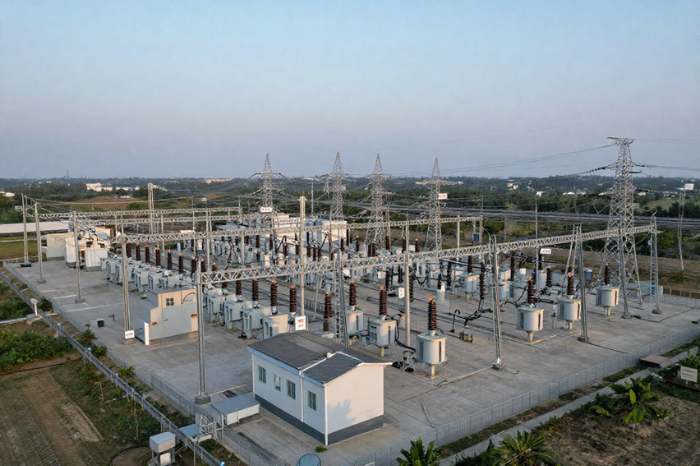
Designing a modern power substation is no longer just about placing transformers and switchgear in a defined space. Today’s energy landscape demands smarter, safer, and more efficient solutions that can adapt to growing power needs, renewable integration, and digital transformation. Whether you’re an engineer, project manager, or industry enthusiast, understanding the fundamentals and latest trends in power substation design is essential.
This guide explores key aspects of modern substation design, including layout planning, safety, automation, and future-ready practices.
1. Understanding the Basics of Power Substation Design
A power substation is a critical component of the electrical grid that transforms voltage levels and ensures reliable power distribution. Effective power substation design begins with a clear understanding of system requirements, including voltage levels, load demand, and environmental conditions.
The primary objectives of substation design include:
-
Ensuring uninterrupted power supply
-
Maintaining system stability
-
Enhancing operational safety
-
Allowing scalability for future expansion
Modern substations must also consider integration with renewable energy sources like solar and wind, which introduce variability into the system.
2. Key Elements of an Efficient Substation Layout
A well-planned substation layout is the backbone of efficient operation and maintenance. It determines how equipment is arranged within the substation, directly impacting safety, accessibility, and reliability.
Important factors in substation layout:
-
Space optimization: Efficient use of available land while maintaining safe clearances
-
Accessibility: Easy access for maintenance and emergency operations
-
Electrical clearances: Adequate spacing to prevent faults and ensure safety
-
Future expansion: Provision for additional bays or equipment
There are several common layout types, such as:
-
Single busbar layout (simple and cost-effective)
-
Double busbar layout (higher reliability)
-
Ring bus and breaker-and-a-half schemes (used in high-voltage systems)
Selecting the right substation layout depends on the project’s complexity, budget, and reliability requirements.
3. Equipment Selection and System Integration
Choosing the right equipment is a critical part of substation design. Each component must be carefully selected based on performance, durability, and compatibility with the overall system.
Core components include:
-
Power transformers
-
Circuit breakers
-
Isolators and disconnect switches
-
Busbars
-
Protection and control systems
Modern substations are increasingly adopting Gas Insulated Switchgear (GIS) instead of traditional Air Insulated Switchgear (AIS), especially in urban areas where space is limited.
Integration is equally important. All equipment must work seamlessly with protection systems, communication networks, and control systems. This ensures quick fault detection, isolation, and restoration.
4. Safety and Reliability Considerations
Safety is a top priority in any power substation design. Engineers must account for both operational safety and protection against external risks.
Key safety practices:
-
Proper grounding and earthing systems
-
Fire protection systems (especially for transformers)
-
Lightning and surge protection
-
Clear labeling and safety signage
Reliability is achieved through redundancy and robust design. For example:
-
Backup power supplies for critical systems
-
Duplicate protection relays
-
Redundant communication paths
By incorporating these measures, substations can maintain continuous operation even during faults or equipment failure.
5. Role of Automation and Smart Technologies
Modern substation design is increasingly driven by digitalization. Smart substations use advanced technologies to improve monitoring, control, and efficiency.
Key innovations include:
-
SCADA systems for real-time monitoring and control
-
Intelligent Electronic Devices (IEDs)
-
Remote diagnostics and predictive maintenance
-
Digital communication protocols like IEC 61850
Automation reduces human intervention, minimizes errors, and enables faster response to faults. It also allows operators to manage substations remotely, which is especially valuable in large or geographically dispersed networks.
6. Environmental and Future-Ready Design Practices
Sustainability is becoming a major focus in power substation design. Engineers are now expected to minimize environmental impact while maximizing efficiency.
Modern practices include:
-
Using eco-friendly insulating materials
-
Reducing noise pollution
-
Designing compact substations for urban areas
-
Integrating renewable energy sources
Future-ready substations are also designed with flexibility in mind. As energy demands evolve, substations must be capable of handling:
-
Increased load capacity
-
Electric vehicle charging infrastructure
-
Distributed energy resources
Digital twins and advanced simulation tools are also being used to optimize substation layout and performance before construction begins.
Conclusion
Modern substation design is a complex but fascinating field that combines electrical engineering, safety planning, and digital innovation. From selecting the right substation layout to integrating smart technologies, every decision plays a crucial role in ensuring reliable and efficient power delivery.
As the energy sector continues to evolve, adopting advanced design practices is no longer optional—it’s essential. By focusing on safety, scalability, and sustainability, engineers can build substations that meet today’s needs while preparing for tomorrow’s challenges.
If you’re planning a project or looking to upgrade existing infrastructure, investing in modern power substation design practices will ensure long-term performance, resilience, and efficiency.
FAQs
1. What is power substation design?
Power substation design is the process of planning and structuring a substation to safely and efficiently transform and distribute electrical power. It includes equipment selection, protection systems, and overall substation layout planning.
2. Why is substation layout important?
A proper substation layout ensures safety, easy maintenance, and reliable operation. It helps in minimizing faults, improving accessibility, and allowing future expansion of the substation.
3. What are the main components of a substation?
Key components in substation design include transformers, circuit breakers, isolators, busbars, protection systems, and control panels. Each plays a vital role in power transmission and distribution.
4. What is the difference between AIS and GIS substations?
Air Insulated Substations (AIS) use air for insulation and require more space, while Gas Insulated Substations (GIS) use gas (like SF6), making them more compact and suitable for urban areas.
5. How do modern substations use smart technology?
Modern power substation design incorporates smart technologies like SCADA systems, automation, and digital communication protocols to improve monitoring, reduce downtime, and enhance efficiency.
6. What factors should be considered in modern power substation design?
Modern power substation design should consider load demand, location, environmental impact, safety standards, and future scalability. Additionally, integrating smart technologies and optimizing the substation layout are essential for long-term efficiency and reliability.






















Leave a Reply