When you walk into a store, you notice some setups more than others. That’s no accident. Modular product displays are changing the game for retailers who want to stay flexible without breaking the bank or their backs every time a new season rolls around. If you’re tired of static, boring shelves that make your store look like everyone else’s, it might be time to rethink the whole approach. Because honestly, the days of one-size-fits-all retail fixtures are over, and they ain’t coming back.
Why Modular Beats Fixed Displays Every Time
You ever try to rearrange a store with fixed shelving? It’s a nightmare. You can’t move stuff around without a full remodel. That’s where modular comes in. Unlike traditional setups, modular product displays are designed with standardized units that let you swap things out quickly. This means you’re not stuck with the same layout for years. You can adapt to new inventory, seasonal trends, or just a hunch that a different flow might work better. That kind of adaptability is gold when you need to keep things fresh. Retailers are realizing that flexibility isn’t just nice to have; it’s a business strategy.
Custom Retail Fixtures Built to Tell Your Brand’s Story
Off-the-shelf stuff is okay, but it never really fits, does it? Custom retail fixtures are where you bring your brand to life physically. They’re not just shelves; they’re storytelling devices that reinforce your identity. Whether you go with sleek metal for a modern vibe or warm wood for something cozier, these fixtures set the tone the minute a customer walks in. The right custom fixtures improve the flow of the space, make products more accessible, and ultimately, they make your store more memorable. And when you pair that with a modular system, you get the best of both worlds: a bespoke look with the flexibility to evolve.
Saving Money and Time with Easy Merchandising
One of the biggest selling points of modular product displays is how much time and cash they save you in the long run. Think about it. Instead of tearing everything out and starting from scratch when a new product line drops, you just swap out a few components. Systems like the Zips line let you mix and match parts, which cuts down on merchandising labor big time. You can also extend the life of your displays way longer than you would with static shelving. That’s less money spent on new fixtures every year, and more time for your staff to focus on actual customers instead of wrestling with heavy shelves. Makes sense, right?
Security and Engagement in One Smart Package
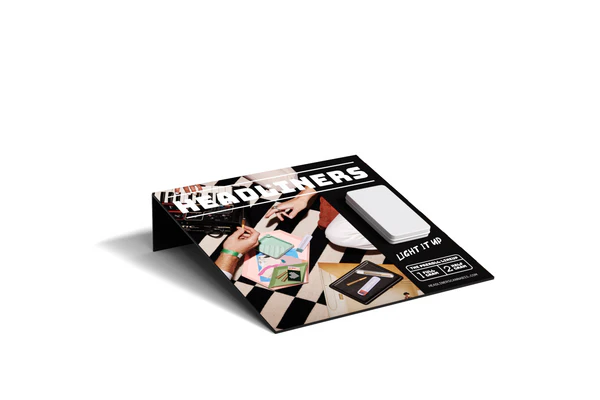
A lot of retailers worry that going modular or custom might mean sacrificing security for style. Turns out, you don’t have to pick one or the other. Many modular product displays are built with security in mind, integrating alarms and sensor technology that actually enhance the shopping experience rather than killing the vibe. For example, setups for small electronics use magnetic shrouds and pucks that secure items but still allow customers to touch and feel them. This is huge because shoppers want to interact with products, especially pricey ones, but they also need to feel safe handling them. A display that gets that balance right is a winner.
Visual Complexity and the Psychology of Buying
Here’s the thing about customers: they want a show. Custom retail fixtures satisfy a psychological need for what designers call “visual complexity”. Basically, a store that looks interesting and well-designed gets people in a buying mood. Unique pedestals, eye-catching wall units, or dynamic LED headers make a space more engaging and can draw people into areas they wouldn’t otherwise visit. It’s about creating a high-quality visual experience that goes beyond just price and product. A store that looks professional and put-together makes customers trust you more, and trust leads to sales.
Sustainability: The New Standard for Displays
Customers are paying more attention to what brands are doing for the planet, and that includes retail displays. The push for sustainable materials is a big trend, with folks looking for fixtures made from recycled metals, reclaimed wood, or even compostable materials like honey-comb cardboard. Modular designs actually support this because you can replace individual parts instead of throwing the whole unit away. You keep the durable parts and swap out the worn bits. It cuts down on waste and aligns your brand with eco-conscious values. That’s not just good for the environment; it’s good for your reputation.
Planning Your Space for Maximum Impact
Before you buy anything, you gotta measure. It sounds basic, but so many people skip this step. Understanding your customer flow is key to placing your modular product displays where they’ll actually get seen. You want to put your best stuff in those high-traffic zones where people naturally look. And for any retailer with multiple locations, consistency matters. You want custom retail fixtures that look the same across all your stores but still fit the unique footprint of each space. Planning ahead and thinking about how the space will be used makes the whole process way smoother and prevents headaches later.
Choosing the Right Partner for the Job
Finding a good manufacturer can feel like a chore, but it’s probably the most important step. You need a partner, not just some supplier who drops off a box and leaves you to figure it out. Look for someone who offers a full-service experience: helping with design, prototyping, manufacturing, and even installation. And never skip the prototype. Test a sample in your actual store before you order a hundred of them. You need to see if it works in your space, with your products. A good partner will be fine with this; a sketchy one won’t. You want someone who’s built to scale with you as you grow.
Modular Product Displays and Future-Proofing Your Store
Let’s be real, trends change fast. What works today might look tired in six months. Modular product displays are built for that kind of turnover without requiring a total overhaul. They’re often designed with interchangeable graphic panels or adjustable shelf heights so you can run new campaigns whenever you want. This ability to easily refresh your store’s look means you can keep things exciting for repeat customers. You’re basically future-proofing your store because you aren’t investing in displays that will be obsolete by next season. It’s a smart investment for any retailer thinking long-term.
Conclusion
So, are modular product displays the secret to boosting retail sales? Honestly, they might just be. By pairing custom retail fixtures with a modular design, you get a setup that’s flexible, looks incredible, and is built to last. You can swap things out for new products, adjust your layout on a whim, and create a shopping experience that actually feels modern and inviting. And that security thing? Modern systems have it covered. It lets you put your products front and center where they can be seen and touched, which is exactly what gets people to buy. It’s less about buying a display and more about buying a system that works for you.
Frequently Asked Questions (FAQs)
What exactly is a modular product display?
A modular product display is a display system built with interchangeable parts and standardized units. This design allows for easy assembly, disassembly, and reconfiguration. You can change the layout, add new components, or swap out sections without having to replace the entire display, making it very flexible for changing inventory or seasonal promotions.
How do custom retail fixtures differ from standard ones?
Custom retail fixtures are designed and built to a retailer’s specific specifications, including dimensions, materials, colors, and brand identity. Standard fixtures, on the other hand, are mass-produced and generic. Custom fixtures are a strategic tool for creating a unique brand experience and can solve specific spatial or functional problems in your store.
Can modular displays handle heavy or expensive products?
Yes, definitely. Modular systems can be engineered to be incredibly durable. They often use high-quality materials like commercial-grade metals and can be reinforced to hold a lot of weight. Many also integrate advanced security features like alarms, sensors, and magnetic locks, making them ideal for expensive electronics or luxury goods.
Are modular displays easy to install?
Generally, yes. One of the main benefits of modular product displays is ease of installation. They are designed to be assembled quickly without specialized tools or skills. Some providers even offer professional installation services for larger rollouts to ensure everything is set up correctly and efficiently.