Advanced therapies have changed how many diseases are treated. However, moving a therapy from research to clinical studies requires the right manufacturing partner. Choosing a CDMO is one of the most important decisions because it affects product quality, timelines, regulatory readiness, and long-term scalability.
The right provider of ATMP manufacturing services can help you reduce development risks and prepare for future commercial production. Whether you are developing clinical grade iPSC products or need CAR-T manufacturing services, selecting the right partner can save time, improve consistency, and support regulatory success.
Top 10 Things Biotech Companies Should Look for in a CDMO
A CDMO should do more than manufacture your product. It should support your development goals, help solve production challenges, and maintain consistent quality at every stage. Here are ten factors you should evaluate before making your decision.
1. Strong Expertise in Advanced Therapy Manufacturing
A CDMO should understand the scientific and manufacturing challenges that come with advanced therapies. Cell and gene therapies require different production methods than traditional biologics. A team with practical experience can help prevent common manufacturing issues before they affect your program.
Here are the key signs of strong technical expertise:
- Experience with cell and gene therapy manufacturing
- Skilled scientists and process development teams
- Proven manufacturing workflows
- Knowledge of regulatory expectations
- Ability to support different therapy platforms
A knowledgeable manufacturing team can identify process improvements early. This reduces delays during development and creates a smoother path toward clinical production. Strong expertise also supports consistent product quality throughout your project.
2. Regulatory Knowledge and GMP Compliance
Regulatory compliance should be part of every manufacturing step. Your CDMO should operate under current Good Manufacturing Practice (GMP) standards and maintain detailed documentation. Strong regulatory support helps reduce compliance risks during inspections.
The following capabilities are worth checking:
- GMP-certified manufacturing facilities
- Complete batch documentation
- Quality management systems
- Regulatory audit readiness
- Clear standard operating procedures
Good documentation makes regulatory submissions easier. It also helps maintain consistency from one manufacturing batch to the next. A reliable quality system protects your product throughout development.
3. Scalable Manufacturing Processes
Manufacturing needs often change as your therapy moves through development. A CDMO should build processes that support small research batches and larger clinical production without major process changes.
Here are a few indicators of scalability:
- Flexible production capacity
- Standardized manufacturing methods
- Technology transfer support
- Capacity for future expansion
- Process optimization expertise
Scalable manufacturing reduces the need for repeated redevelopment. It also helps maintain product consistency during growth. This becomes especially important when expanding clinical trials.
4. Specialized Cell Therapy Capabilities
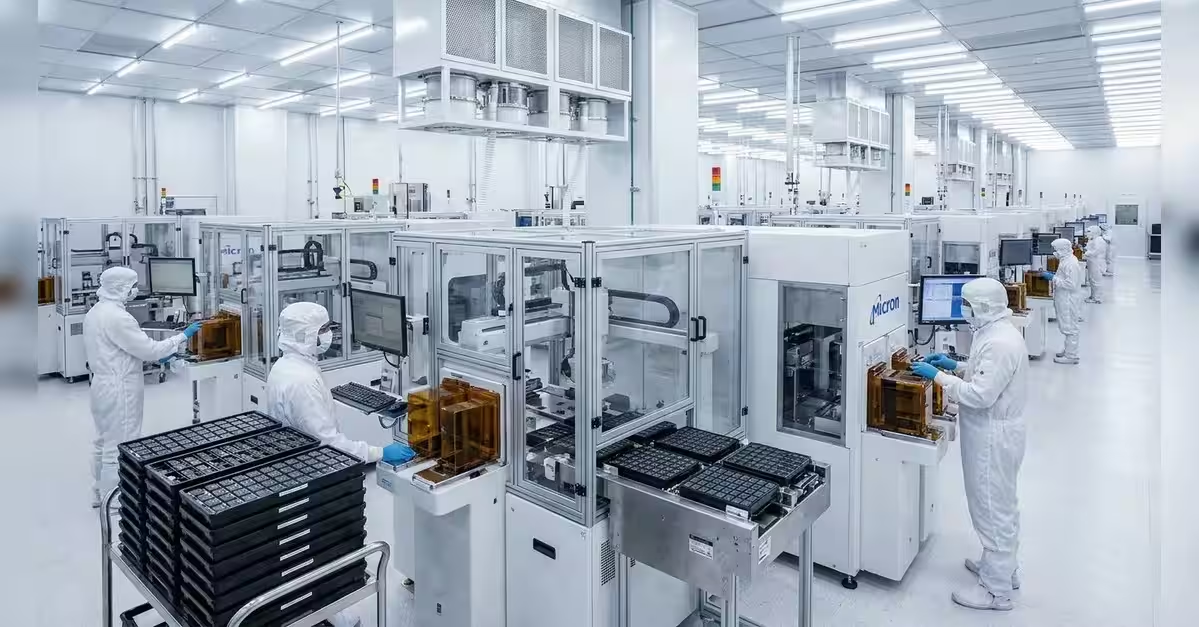
Cell therapies require specialized handling, testing, and production systems. Your manufacturing partner should have dedicated facilities designed for these products. This is especially important when selecting ATMP manufacturing services for complex cell-based therapies.
Here’s what to review before choosing a partner:
- Dedicated cleanrooms
- Closed manufacturing systems
- Cell processing expertise
- Environmental monitoring
- Specialized quality testing
Specialized infrastructure helps lower contamination risks. It also improves manufacturing consistency for sensitive cell products. This creates a more reliable production process from start to finish.
5. Support for Clinical Grade iPSC Manufacturing
Many regenerative medicine programs depend on high-quality induced pluripotent stem cells. Producing clinical grade iPSC materials requires strict quality control and validated manufacturing methods. Not every CDMO has this level of specialization.
Here are several important capabilities to evaluate:
- Qualified donor screening processes
- Cell banking expertise
- Identity and purity testing
- Stability monitoring
- Traceability systems
Reliable clinical grade iPSC production helps maintain consistent starting materials. Better starting materials often lead to more predictable manufacturing outcomes. This also supports regulatory confidence during clinical development.
6. Reliable CAR-T Manufacturing Services
CAR-T therapies require careful coordination because patient timelines are often short. Manufacturing delays can directly affect treatment schedules. Your CDMO should have proven CAR-T manufacturing services with reliable turnaround times.
The following features are especially valuable:
- Controlled vein-to-vein logistics
- Fast manufacturing timelines
- Automated production technologies
- Product release testing
- Strong chain of custody controls
Reliable operations improve scheduling confidence. Efficient manufacturing also reduces unnecessary delays during clinical studies. This helps keep patient treatment plans on track.
7. Transparent Communication and Project Management
Good communication keeps development projects moving. Your CDMO should provide regular updates and respond quickly when issues arise. Clear communication reduces misunderstandings and supports better planning.
Here are some signs of effective project management:
- Dedicated project managers
- Scheduled progress meetings
- Clear timelines
- Fast response times
- Defined communication channels
Regular communication helps solve problems before they become larger issues. It also gives your internal team better visibility throughout manufacturing. Strong collaboration improves project efficiency.
8. Comprehensive Analytical Testing
Testing confirms that your therapy meets quality standards before release. A CDMO should provide analytical support throughout development instead of only at the final manufacturing stage. This improves process understanding and product consistency.
The following analytical capabilities are important:
- Identity testing
- Potency testing
- Sterility testing
- Stability studies
- Method validation
Strong analytical support produces better manufacturing data. It also helps demonstrate product consistency to regulatory agencies. Reliable testing strengthens every stage of product development.
9. Flexible Development Support
Every therapy program has different manufacturing needs. Your CDMO should adapt to changing project requirements without causing unnecessary delays. Flexibility becomes especially valuable during process optimization.
Here are several qualities that support flexible development:
- Customized manufacturing plans
- Process development services
- Technology upgrades
- Rapid troubleshooting
- Cross-functional technical teams
Flexible support allows manufacturing processes to improve as development progresses. It also helps your team respond faster to unexpected challenges. This keeps projects moving forward with fewer interruptions.
10. Long-Term Partnership Potential
Manufacturing relationships often continue from early development through commercialization. A CDMO should be prepared to support your product as it advances. Long-term planning creates greater consistency across every development stage.
Consider these factors when evaluating future partnership potential:
- Commercial manufacturing capabilities
- Capacity planning
- Continuous process improvement
- Long-term quality strategy
- Ongoing technical support
A long-term partner learns your manufacturing process over time. This reduces knowledge transfer risks and improves operational efficiency. It also supports smoother transitions between clinical phases.
Conclusion
Choosing the right CDMO requires careful evaluation beyond manufacturing capacity alone. Strong technical expertise, regulatory compliance, quality systems, analytical support, scalability, and clear communication all contribute to successful product development. Whether your program depends on ATMP manufacturing services, clinical grade iPSC production, or CAR-T manufacturing services, selecting a partner with proven capabilities can help reduce risks throughout development. Xellera Therapeutics provides specialized manufacturing solutions designed to support advanced therapy programs from early development through clinical production.