

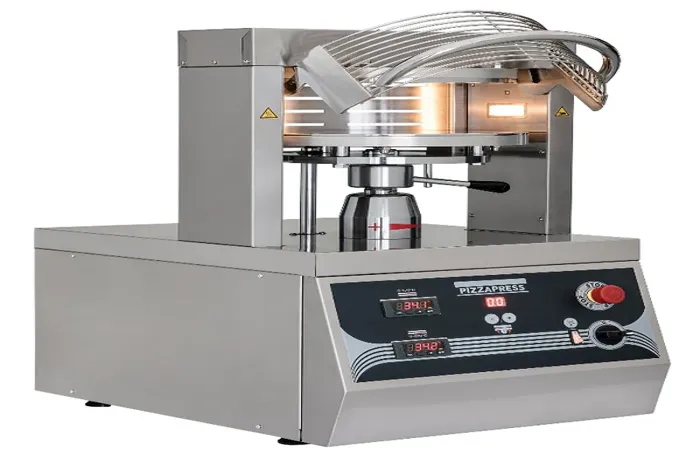
An automatic pizza dough maker mixes and kneads on its own, and many models keep dough warm enough for steady rising. That means fewer failed batches, less flour on the counter, and more predictable pizza nights.
This guide is built for busy kitchens, beginners who want consistent results, and food-focused businesses (mall kiosks, small cafés, and eCommerce sellers) that need repeatable dough without training a full baking team.
Compared with bread machines, an automatic pizza dough maker is more dough-focused: fewer bake features and more attention on kneading patterns and dough programs. Compared with stand mixers, it’s more hands-off, often adding built-in timers, preset modes, and controlled proofing.
Section 1: Best Automatic Pizza Dough Maker Categories (2026)
Best Budget
A simple unit with solid kneading performance, fewer programs, and quick cleanup.
The right budget automatic pizza dough maker should still knead smoothly without overheating.
Best for Large Batches
A higher-capacity unit or spiral-style dough-focused mixer for frequent, heavier dough.
If volume is the priority, a heavy-duty dough-specialist mixer is the safer bet.
Best for Beginners
A model with clear modes, a timer, and forgiving dough settings.
A beginner-friendly automatic pizza dough maker reduces guesswork and keeps results stable.
Section 2: Top Automatic Pizza Dough Makers (Reviews)
Note: Based on consistent themes from appliance coverage in 2026—including a push toward spiral/rotating-bowl designs and improved proofing controls.
1) Cuisinart SM-50 Stand Mixer—Best Versatile Alternative
Best for: Homes or small operations that want dough plus general mixing versatility.
Key Features
- 500-watt motor
- 12 speed settings
- 5.5-quart stainless steel bowl
- Dough hook included
Pros
- Handles pizza dough reliably
- Multi-purpose use beyond dough
- Stable under medium loads
Cons
- Not fully automated (no proofing mode)
- Requires supervision compared to dedicated dough makers
Dough Capacity
Good for small to midsize batches (2–4 dough balls).
Noise + Cleaning
Moderate noise. A stainless bowl and removable attachments simplify cleaning.
Who Should Buy It
A business that wants one appliance to cover dough plus other prep tasks. While not marketed as a dedicated automatic pizza dough maker, it performs well for consistent pizza prep.
2) Panasonic SD-YR2550 – Best for Mix + Proof Automation
Best for: Hands-off scheduling and predictable dough timing.
Key Features
- Dedicated dough programs
- Automatic knead + rise
- Delay timer (up to ~13–24 hours depending on mode)
- Microprocessor-controlled mixing
Pros
- True set-and-run workflow
- Stable proofing support
- Consistent batch results
Cons
- Smaller capacity than stand mixers
- Designed primarily as a bread maker
Dough Capacity
Ideal for 1–3 pizzas per batch.
Noise + Cleaning
Moderate sound during kneading. A non-stick pan is easy to wipe clean.
Who Should Buy It
Teams that want dough ready at a specific time (morning prep, shift changes). Check maximum flour weight before buying.
3) Spiral-Style Rotating Bowl Dough Mixer – Best for Frequent Dough
Best for: Weekly pizza makers and small commercial use.
Key Features
- Spiral hook + rotating bowl
- Efficient gluten development
- Stable kneading under heavy loads
Pros
- Excellent dough structure
- Handles stiffer or high-hydration dough
- Designed specifically for dough
Cons
- Bulkier footprint
- Higher cost than entry-level machines
Dough Capacity
Strong for medium- to larger-sized batches depending on size.
Noise + Cleaning
Can be louder under load. Stainless bowls are easier to maintain.
Who Should Buy It
A kiosk, café, or home user making pizza multiple times per week who wants consistent structure without constant supervision.
Section 3: Buying Guide (What Matters Most in 2026)
Choosing the right automatic pizza dough maker becomes easier when the decision points are clear.
1) Dough Capacity
Compare maximum flour weight, not just bowl size.
- 1–2 pizzas → Compact unit
- Family batches → Mid-size with stable motor
- Bulk prep → Spiral-style mixer
2) Kneading Power
Watts alone don’t tell the full story. Ask:
- Does it slow under load?
- Can it handle stiff dough?
- Does it stay stable on the counter?
Stable torque beats high-wattage marketing numbers.
3) Programs & Modes
Look for:
- Pizza dough program
- Basic dough mode
- Proofing support (important in cold kitchens)
4) Bowl Material
Stainless steel = durable + easy cleaning.
Nonstick is convenient, but check durability.
5) Timer & Delay Start
Essential for:
- Morning prep
- Shift-based operations
- Reducing labor
Automation matters most for small food businesses.
6) Cleaning Speed
Look for:
- Dishwasher-safe parts
- Minimal seams
- Easy-access interior
Time saved on cleanup reduces operating cost.
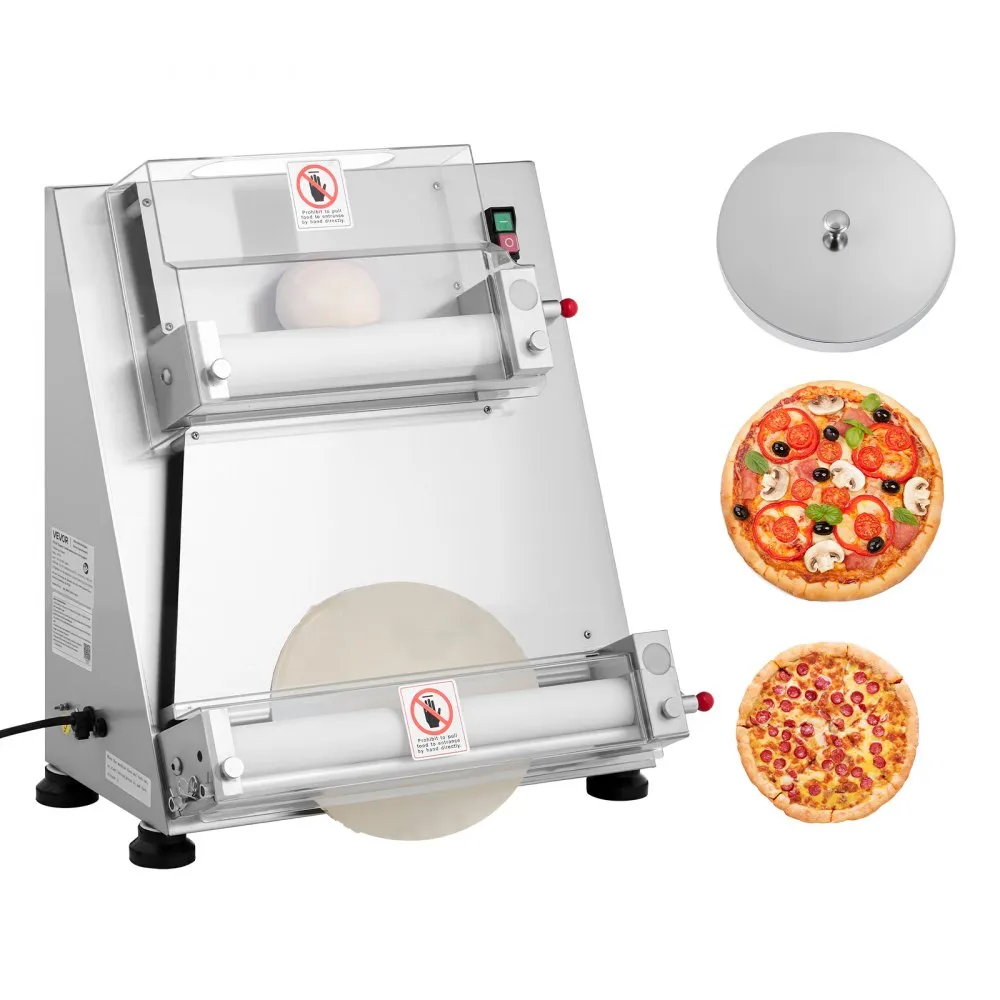
Section 4: Automatic Pizza Dough Maker vs Alternatives
| Option | Best For | Limitation |
| Automatic Pizza Dough Maker | Hands-off consistency | Less versatile |
| Stand Mixer | Versatility + capacity | Needs supervision |
| Bread Maker | Dough and loaf baking | Pizza programs vary |
When It Wins:
If timing, proofing consistency, and minimal labor matter most.
Section 5: How to Make Pizza Dough in an Automatic Pizza Dough Maker
Step-by-Step Workflow
- Add liquids first (water, oil).
- Add flour, then salt and yeast (separately at first).
- Choose pizza dough mode.
- Let the full kneading cycle finish.
- Proof in machine (if supported) or transfer to container.
- Portion into balls and let rest for 15–30 minutes before stretching.
Beginner Hydration Tip
Start with moderate hydration.
Slightly wetter dough means an airier crust but harder handling.
Common Mistakes
- Adding flour too early
- Overloading capacity
- Skipping rest time
Used correctly, an automatic pizza dough maker becomes a repeatable process tool rather than a “hope it works” appliance.
Section 6: FAQs
1) Is an automatic pizza dough maker worth it?
Yes, for frequent pizza makers or small operations. It reduces labor and improves consistency.
2) Can it knead high-hydration dough?
Stronger and spiral-style units perform better with wet dough.
3) Does it prove dough?
Some models include warm proofing or fermentation modes.
4) How long does it take?
Typically 20–60 minutes depending on the program and proofing.
5) Can it make gluten-free or whole wheat dough?
Yes, with hydration and rest adjustments.
5 Extra FAQs (People Also Ask Ready)
1) What should buyers prioritize first: power or programs?
Stable kneading first. Programs come second.
2) Is a rotating-bowl spiral design better?
Often yes for frequent pizza production.
3) What size works for a small café?
Mid-size unit producing multiple dough balls per batch.
4) How do businesses standardize dough?
Use a scale, a single recipe card, and the same program every time.
5) What maintenance extends lifespan?
Avoid overloads, wipe flour dust, and inspect paddles and seals regularly.



















Leave a Reply