When people decide to lose weight, the first thing they often do is stop eating their favourite foods.
Rice disappears.
Chapatis become smaller.
Snacks are completely avoided.
It might work for a short time, but it’s usually hard to continue.
A better approach is to build a balanced eating pattern using foods you already enjoy.
Traditional Indian meals can support healthy weight loss when meals are planned well, portions are balanced, and eating habits stay consistent.
Let’s look at how you can create a practical Indian diet plan without making food feel like a punishment.
Weight Loss Starts With Everyday Habits
Many people search for a perfect diet.
The truth is that daily habits usually matter more.
Small changes repeated every day often produce better results than following strict diets for a few weeks.
Healthy weight loss should focus on:
- Balanced meals
- Regular meal timings
- Home-cooked food
- Physical activity
- Adequate sleep
- Drinking enough water
These habits work together to support long-term progress.
Build a Balanced Breakfast
Skipping breakfast may leave you feeling hungry later in the day.
Choose meals that include both protein and fibre.
Some simple Indian breakfast ideas include:
- Vegetable poha with peanuts
- Moong dal chilla
- Idli with sambar
- Vegetable upma
- Oats with milk and fruit
- Whole wheat vegetable sandwich with curd
A balanced breakfast can help keep your energy steady throughout the morning.
Choose Smart Lunch Options
Lunch should keep you satisfied without making you feel overly full.
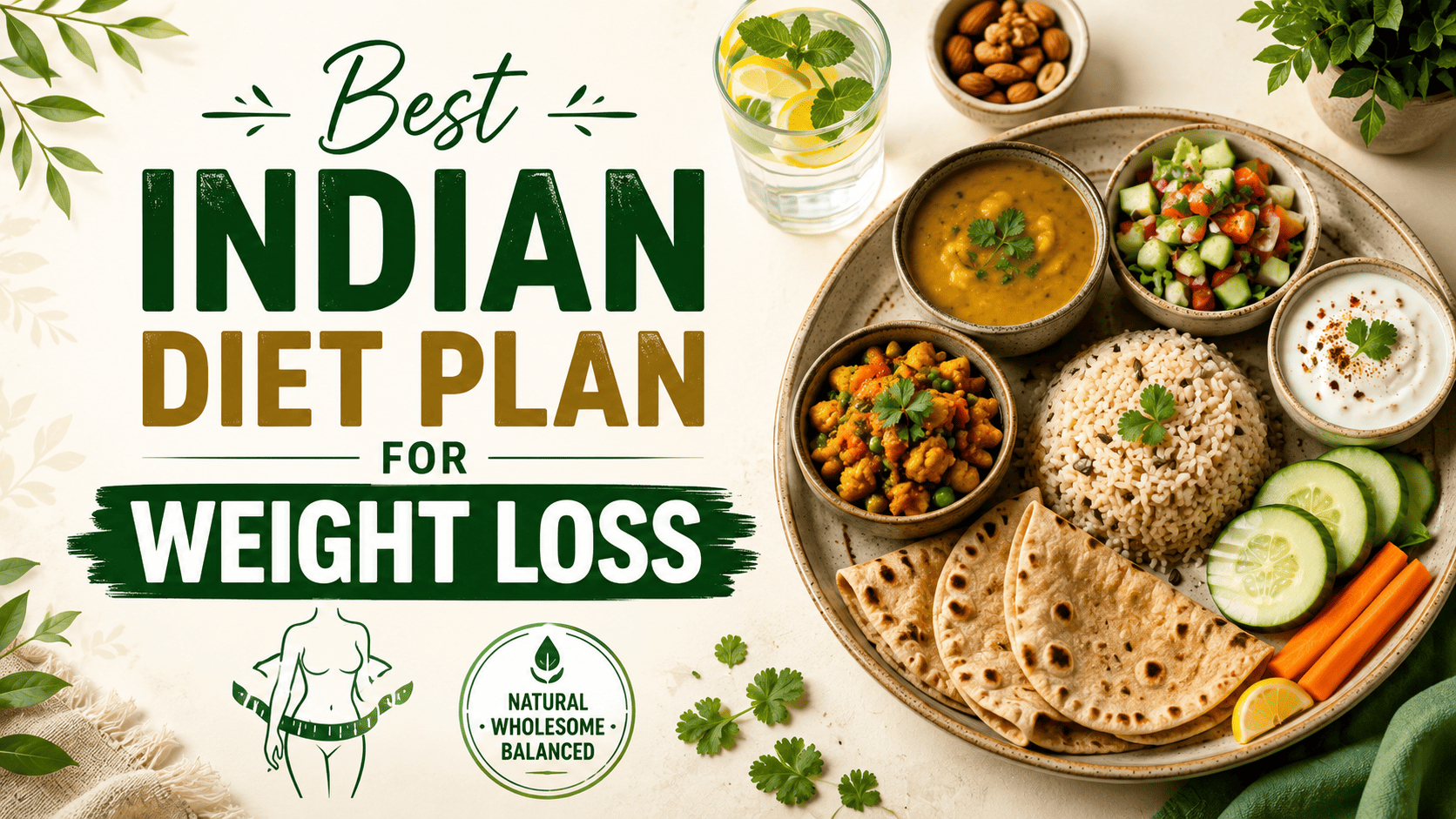
A balanced plate may include:
- Whole wheat chapati or brown rice
- Dal or grilled paneer
- Seasonal vegetables
- Salad
- Curd
This combination provides protein, fibre, and carbohydrates in suitable amounts.
Keep Dinner Light but Satisfying
Dinner doesn’t have to be the smallest meal of the day.
It should simply be balanced.
Good options include:
- Vegetable soup with paneer
- Dal with vegetables
- Chapati with sabzi
- Grilled fish with vegetables
- Mixed vegetable khichdi
Eating a balanced dinner may help you avoid late-night snacking.
Snack Wisely Between Meals
Hunger between meals is completely normal.
The goal isn’t to avoid snacks.
It’s to choose better ones.
Try:
- Fresh fruit
- Roasted chana
- Makhana
- Yogurt
- Mixed nuts in moderate portions
- Sprouts salad
These foods provide more nutrition than many packaged snacks.
Include Protein With Every Meal
Protein helps support muscles while keeping you satisfied for longer.
Include foods such as:
- Eggs
- Dal
- Paneer
- Chickpeas
- Rajma
- Soy products
- Fish
- Lean chicken
Adding protein regularly may help reduce unnecessary snacking.
Eat Plenty of Vegetables
Vegetables naturally contain fibre and water.
They also add volume to meals without adding many calories.
Aim to include different colours throughout the week.
Examples include:
- Spinach
- Carrots
- Beans
- Pumpkin
- Cauliflower
- Broccoli
- Cabbage
Adding vegetables to dal, pulao, and chapatis is an easy way to increase your intake.
Stay Hydrated Every Day
People sometimes confuse thirst with hunger.
Drinking enough water throughout the day supports normal body functions and may help you avoid unnecessary snacking.
You can also include:
- Buttermilk
- Coconut water
- Lemon water without excess sugar
Keep a water bottle nearby to make hydration easier.
Watch Portion Sizes Without Skipping Meals
Weight loss isn’t only about what you eat.
How much you eat also matters.
Instead of removing entire food groups, try:
- Using smaller plates
- Eating slowly
- Serving vegetables first
- Avoiding second servings unless you’re genuinely hungry
These habits can help you become more aware of your appetite.
Plan Meals Before You’re Hungry
Healthy choices become much easier when meals are already planned.
Prepare simple ingredients ahead of time.
Keep foods like:
- Cooked dal
- Chopped vegetables
- Fresh curd
- Whole wheat dough
- Fresh fruit
This reduces the temptation to order takeaway after a busy day.
Don’t Completely Avoid Your Favourite Foods
Many people stop eating rice, sweets, or festive foods while trying to lose weight.
That often makes healthy eating difficult to maintain.
Enjoying your favourite foods occasionally can still fit into a balanced diet.
The focus should be on your overall eating pattern rather than one meal.
Personalised Diet Plans Work Better
Every person’s body is different.
Age, activity level, medical history, and daily routine all influence nutritional needs.
According to the Nutritionist in Delhi, sustainable weight loss is usually achieved by following balanced, personalised meal plans built around familiar Indian foods instead of restrictive diets that eliminate entire food groups.
Consistency often delivers better results than short-term dieting.
Choose Nutrition Advice You Can Trust
Weight loss advice is easy to find online.
Some plans promise dramatic results within days.
Others ask you to remove entire food groups.
Healthy weight management is rarely that simple.
When planning a weight loss diet, rely on qualified nutrition professionals who use scientific research and recognised dietary guidelines. Personalised advice based on your health, eating habits, activity level, and lifestyle is far more reliable than following social media trends or restrictive diet plans.
Healthy Weight Loss Is About Balance
The best Indian diet isn’t based on expensive foods or strict rules.
It’s built around everyday meals.
Eat balanced portions.
Include protein and vegetables regularly.
Stay active.
Drink enough water.
Be patient with your progress.
Small, consistent choices can help you build eating habits that support healthy weight loss while still allowing you to enjoy the foods you love.
Make Meal Preparation Easier
Planning your meals ahead of time can help you stay on track with your weight loss goals.
You don’t need to cook everything in advance.
Just keep a few healthy ingredients ready, such as:
- Washed and chopped vegetables
- Fresh fruit
- Cooked dal
- Homemade curd
- Whole wheat dough
- Boiled eggs
When healthy foods are easy to reach, you’re more likely to choose them instead of ordering takeaway or grabbing packaged snacks.
Choose Nutrition Advice You Can Trust
There is no single diet plan that works for everyone.
Your age, health, activity level, and lifestyle all influence the foods and portion sizes that are right for you.
When planning a weight loss diet, seek guidance from qualified nutrition professionals who use scientific research and recognised dietary guidelines. Personalised nutrition advice based on your individual needs is more effective than following restrictive diets or popular weight loss trends.
Healthy Weight Loss Takes Time
Losing weight doesn’t happen overnight.
Small, steady changes are often easier to maintain than drastic changes.
Eat balanced meals.
Stay active every day.
Drink enough water.
Get enough sleep.
Be patient with your progress.
These simple habits can help you lose weight in a healthy way while building an eating pattern that supports your long-term well-being.