

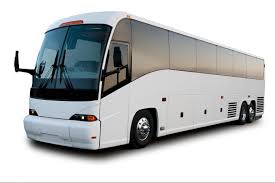
Planning a group trip should be exciting, not exhausting. Yet when several people need to travel together, transportation can quickly become one of the most difficult parts of the experience. Different departure times, separate vehicles, parking problems, traffic delays, and last-minute changes can turn a simple outing into a stressful day.
We can avoid many of these problems by treating transportation as an important part of the trip rather than an afterthought. Bus Rental Toronto gives groups a practical way to coordinate transportation, keep passengers together, and create a smoother travel experience from departure to arrival.
Whether we are arranging a family celebration, corporate event, wedding, school excursion, sporting trip, airport transfer, or sightseeing adventure, organized transportation allows us to focus on the purpose of the journey instead of constantly checking directions or wondering whether everyone has arrived.
Why Organized Transportation Matters for Group Travel
Traveling with a large group is very different from traveling alone or with a few friends. When several vehicles are involved, every driver has to follow the same route, find parking, manage traffic, and arrive at the destination at approximately the same time.
That sounds manageable until something goes wrong.
One vehicle may encounter heavy traffic. Another driver may miss a turn. Someone may need an unexpected restroom stop, while another passenger may be running late. Before long, the group becomes scattered.
We can reduce these complications by organizing transportation around one coordinated journey.
A shared vehicle keeps passengers together and makes communication much easier. Instead of managing several cars, we can concentrate on one schedule, one pickup plan, and one destination.
This is particularly valuable when punctuality matters. Weddings, conferences, sporting events, concerts, airport transfers, and scheduled tours often operate according to strict timelines. A coordinated transportation plan helps us protect those schedules.
Choose the Right Vehicle for the Group
One of the most important decisions we can make is choosing an appropriate vehicle size.
The number of passengers is the starting point, but it should not be the only consideration. We also need to think about luggage, trip duration, seating comfort, equipment, accessibility requirements, and the number of planned stops.
For example, a group of 30 people traveling for several days may need considerably more storage space than a group of 30 people attending a short evening event.
Likewise, sports teams may carry bulky equipment, while wedding parties may have formal clothing, decorations, gifts, and other belongings.
We should therefore avoid selecting transportation based solely on the maximum number of seats. A comfortable fit is generally more useful than filling every available seat.
Plan the Journey Before Confirming Transportation
A successful group trip begins with a clear itinerary.
Before finalizing transportation, we should identify:
- The exact number of passengers
- Pickup locations
- Departure time
- Destination
- Planned stops
- Meal breaks
- Event start and finish times
- Expected return time
- Luggage requirements
- Accessibility needs
Once these details are clear, transportation becomes easier to organize.
An itinerary also helps identify potential problems before they happen. If we notice that several activities are scheduled too close together, we can make adjustments early rather than rushing from one location to another during the trip.
A relaxed itinerary is usually more enjoyable than a schedule that leaves no room for delays.
Allow Extra Time for Toronto Traffic
Traffic is an important consideration when planning transportation in Toronto.
Travel times can change depending on the time of day, weather, road construction, accidents, special events, and congestion. A journey that normally takes a certain amount of time may take considerably longer during busy periods.
We should therefore avoid building an itinerary around the fastest possible travel time.
Instead, we should allow reasonable buffers between important activities. This is especially important when the group needs to arrive at a venue by a specific time.
Adding extra time does not mean the trip will necessarily take longer. It means we have created breathing room if unexpected conditions affect the journey.
Select Convenient Pickup Locations
A transportation plan can be excellent on paper but still become stressful if passengers cannot find the pickup point.
For large groups, the meeting location should be easy to identify and convenient for the majority of travelers.
If passengers are staying at different hotels, attending from different neighborhoods, or arriving from separate locations, we should decide whether one central pickup point or several coordinated stops make more sense.
Instructions should be precise.
Instead of saying “meet outside the hotel,” we can specify the entrance, meeting area, and exact arrival time. Clear instructions reduce confusion and prevent the group from waiting unnecessarily.
Create a Simple Passenger Communication Plan
Good communication is one of the easiest ways to make group transportation more organized.
Before the trip, we should provide passengers with all essential information in one message. This can include the meeting location, arrival time, departure time, destination, itinerary, luggage guidance, and the organizer’s contact information.
A reminder shortly before departure can also be helpful.
For larger groups, we can assign a few people as group coordinators. Each coordinator can manage a smaller section of the passenger list and confirm that everyone is ready.
This system is much easier than trying to contact dozens of people individually.
Keep Everyone Together
One of the greatest advantages of organized group transportation is that it keeps travelers together.
When everyone travels separately, the group can become divided before the day has even started. Some people may arrive early, others may be delayed, and a few may take different routes.
With Bus Rental Toronto, we can establish one coordinated transportation arrangement that keeps the group moving together.
This can be particularly useful for corporate events, family celebrations, school trips, wedding transportation, and sightseeing.
Staying together also makes last-minute communication easier. If the schedule changes, the organizer can communicate with the entire group instead of contacting multiple drivers.
Make Comfort Part of the Planning Process
Transportation should not only be functional. It should also be comfortable.
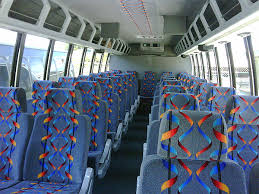
The importance of comfort increases as travel time becomes longer. Passengers may spend several hours traveling, so seating, climate control, interior space, and luggage arrangements can have a noticeable effect on the experience.
We should also consider the age and needs of passengers.
Children may need additional comfort and supervision. Older adults may benefit from easier boarding arrangements and convenient stops. Travelers carrying equipment may need additional storage.
By considering these details in advance, we can create a transportation experience that feels much less tiring.
Consider Accessibility From the Beginning
Accessibility should never be treated as a last-minute issue.
If someone in the group requires wheelchair accessibility, additional boarding assistance, or another accommodation, we should communicate those requirements before transportation is finalized.
Different vehicles can offer different accessibility features, so early planning gives us more opportunity to identify a suitable option.
A well-organized group trip should allow everyone to participate without unnecessary difficulty.
Manage Luggage Efficiently
Luggage can become a major issue when traveling with a large group.
We should estimate the amount and type of luggage before selecting transportation. A weekend family trip may involve suitcases and personal bags, while a sports team may carry equipment that takes up significantly more space.
Passengers should also know what they can bring and where larger items will be stored.
Keeping luggage organized from the beginning helps boarding and unloading happen more efficiently.
It also reduces the possibility of passengers blocking walkways with oversized bags.
Build Breaks Into Longer Trips
Long-distance group travel should include appropriate breaks.
Even when the vehicle is comfortable, passengers may want to stretch, use facilities, purchase refreshments, or simply take a short break from sitting.
We should remember that large groups take longer to complete stops. A small group may finish a quick break in a few minutes, while dozens of passengers require more time.
Planning realistic breaks prevents the schedule from becoming unnecessarily rushed.
Avoid Creating an Overloaded Itinerary
Trying to see everything in one day can make a group trip less enjoyable.
We should prioritize the attractions, activities, and destinations that matter most to the group.
An itinerary with too many stops can result in constant rushing. Passengers may spend more time getting on and off the vehicle than actually enjoying the destinations.
A balanced schedule gives travelers time to explore, eat, relax, take photographs, and enjoy the experience.
The goal should not be to fit the maximum number of activities into one day. The goal should be to make the day memorable.
Think About Parking and Drop-Off Logistics
Parking is another reason organized transportation can simplify group travel.
When multiple cars are involved, we have to think about parking availability, parking fees, walking distances, and coordinating drivers.
A larger shared vehicle can reduce the number of individual vehicles arriving at the destination.
We should still consider where the group will be dropped off and whether the vehicle can access the location conveniently. Event venues, hotels, attractions, and downtown areas may have specific traffic or loading arrangements.
Planning these details ahead of time helps avoid confusion upon arrival.
Use Transportation for Different Types of Events
Organized group transportation works for a wide range of occasions.
Corporate Events
Business groups often have strict schedules. Transportation may be needed between hotels, conference venues, offices, restaurants, and event locations.
Keeping employees together can make transitions between activities more efficient.
Weddings
Wedding transportation requires careful timing because several locations may be involved.
Guests may need transportation between hotels, ceremony venues, reception locations, and other event spaces. A coordinated schedule helps reduce the possibility of guests arriving late.
School Trips
School outings require careful planning, supervision, passenger counts, and communication between teachers and group leaders.
Keeping students together can simplify transportation logistics and make headcounts easier.
Sports Teams
Sports groups often need extra luggage and equipment space.
The itinerary should account for arrival times, preparation periods, games, tournaments, and return transportation.
Family Gatherings
Family trips may involve travelers of different ages and mobility levels.
Comfortable transportation and clear pickup instructions can make the experience much easier for everyone.
Compare Options Based on Value
Price matters, but the cheapest option is not always the best option.
When comparing transportation services, we should look beyond the initial price and consider the complete value.
Important factors include vehicle size, comfort, scheduling flexibility, luggage capacity, driver experience, accessibility, and overall suitability for the itinerary.
We should also clarify what is included in the quoted price.
Understanding costs in advance makes budgeting more predictable and reduces the risk of unexpected charges.
Ask the Right Questions Before Booking
Before confirming transportation, we should have clear answers to several practical questions.
For example:
- Is the vehicle suitable for the total passenger count?
- Is there enough luggage space?
- Are there additional charges for waiting time?
- Are planned stops included?
- What is the cancellation policy?
- Can accessibility requirements be accommodated?
- How flexible is the schedule?
- What happens if the itinerary changes?
Asking these questions early can prevent misunderstandings later.
Prepare a Backup Plan
Even the most carefully planned trip can encounter unexpected problems.
Weather, traffic, road closures, accidents, event delays, or changes in venue schedules can affect transportation.
We should therefore have a simple backup strategy.
This could include alternative routes, additional time in the schedule, backup meeting points, and a clear communication plan.
A backup plan does not need to be complicated. It simply gives the organizer a way to respond calmly when circumstances change.
Start Planning Early
Last-minute planning limits our choices.
Demand for group transportation can increase around weekends, holidays, conferences, festivals, sporting events, weddings, and other major occasions.
Starting early allows us to review vehicle options, compare pricing, confirm availability, organize passenger information, and build a practical itinerary.
Early planning also gives passengers enough notice to arrange their own schedules.
Make the Journey Enjoyable
Transportation should be more than a method of moving passengers from one location to another.
We can make the journey more enjoyable by creating a comfortable environment and allowing passengers time to relax and socialize.
For sightseeing groups, the journey can become part of the experience. For corporate travelers, comfortable transportation can provide valuable downtime between meetings. For families, it can give relatives an opportunity to talk and spend time together.
When transportation is handled properly, passengers can enjoy the trip instead of worrying about navigation and parking.
Common Mistakes to Avoid
Several transportation mistakes can easily be prevented with better preparation.
One common mistake is choosing a vehicle based only on passenger capacity. Another is forgetting to consider luggage.
Some organizers also underestimate travel time or fail to account for traffic. Others provide vague pickup instructions that leave passengers searching for the correct meeting point.
We can avoid these issues by creating a realistic schedule, communicating clearly, confirming passenger numbers, and selecting transportation based on the complete needs of the group.
How to Make Group Travel More Relaxing
A relaxing trip begins with removing unnecessary decisions.
Passengers should know where to meet, when to arrive, where they are going, and what to expect. The organizer should have a clear itinerary and a reliable communication process.
When these details are handled in advance, travelers can settle into the journey without constantly checking maps or coordinating with other drivers.
This is where Bus Rental Toronto becomes particularly useful for groups that value organization and convenience.
Instead of asking every passenger to manage their own transportation, we can create one shared travel experience.
A Practical Pre-Trip Checklist
Before departure, we should confirm the following:
- Final passenger count
- Pickup location
- Departure time
- Destination
- Return schedule
- Luggage requirements
- Accessibility needs
- Planned stops
- Contact information
- Transportation cost
- Traffic considerations
- Backup arrangements
A final review can identify small problems before they become major disruptions.
Conclusion
A relaxing group trip does not happen by accident. It comes from thoughtful planning, clear communication, realistic scheduling, and transportation that matches the needs of the travelers.
When we organize group transportation properly, we can reduce the stress associated with multiple cars, parking, navigation, delayed passengers, and complicated logistics. Everyone can follow the same schedule and arrive at each destination together.
For groups traveling throughout Toronto, Bus Rental Toronto can provide a practical foundation for a more coordinated journey. The key is to select an appropriate vehicle, plan realistic travel times, communicate clearly, account for luggage and accessibility, and leave enough flexibility for unexpected delays.
When transportation is organized from the beginning, the trip becomes easier to manage and more enjoyable for everyone. Instead of spending the day solving transportation problems, we can focus on the people, places, and experiences that made the trip worth planning.
FAQs
1. What is the biggest advantage of organized group transportation?
The biggest advantage is coordination. Everyone can travel together according to one schedule, which reduces the need to manage multiple cars, drivers, routes, and parking arrangements.
2. How do we choose the right vehicle for a large group?
We should consider passenger numbers, luggage, trip duration, comfort, equipment, accessibility requirements, and planned stops. The vehicle should provide enough capacity without sacrificing comfort.
3. How early should we plan group transportation in Toronto?
We should begin planning as early as practical, particularly for weddings, conferences, holidays, weekends, sporting events, and other busy periods. Early planning generally provides more flexibility.
4. Can group transportation help reduce travel stress?
Yes. Coordinated transportation reduces the number of individual travel decisions passengers need to make. Instead of navigating, driving, and finding parking separately, passengers can follow one organized travel plan.
5. What should we confirm before the trip begins?
We should confirm the passenger count, pickup location, departure time, destination, luggage requirements, accessibility needs, itinerary, contact details, and total transportation cost. A final confirmation helps prevent avoidable problems.
For more information: Airlink Tours Niagara Falls Toronto


















Leave a Reply