

Antibiotics have been one of the greatest medical discoveries in history. They help treat bacterial infections and have saved countless lives. However, antibiotics are not always the right solution. In many cases, people receive antibiotics even when they are suffering from viral infections, where these medicines simply do not work. This overuse of antibiotics has become a growing concern around the world.
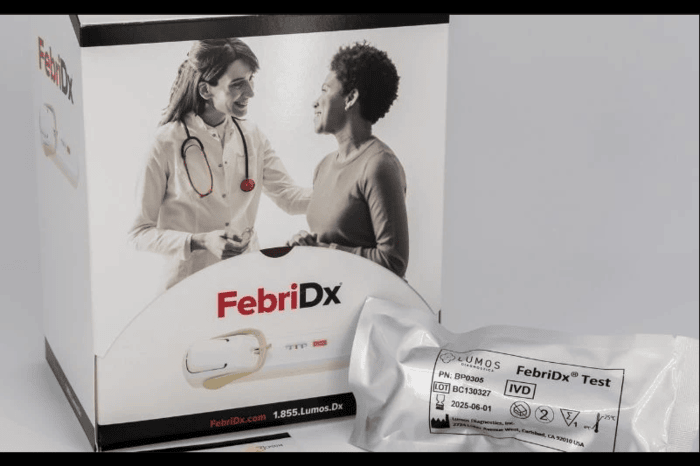
Today, healthcare professionals are looking for better ways to determine when antibiotics are truly needed. One tool that is gaining attention is the FebriDx® point-of-care test. This simple finger-prick test can provide important information in just a few minutes and may help reduce unnecessary antibiotic prescriptions.
Let’s take a closer look at how this test works and why it could make a big difference in healthcare.
Understanding the Problem of Antibiotic Overuse
Many people visit a doctor when they feel any infection. These symptoms can be caused by either bacteria or viruses. The challenge is that bacterial and viral infections often look very similar.
Because it can be difficult to tell the difference during a short medical appointment, antibiotics are sometimes prescribed “just in case.” While this approach may seem harmless, it can create serious problems.
When antibiotics are used too often:
- Bacteria can become resistant to treatment.
- Future infections may become harder to treat.
- Patients may experience unnecessary side effects.
- Healthcare costs can increase.
This is why doctors and healthcare organizations are working hard to improve antibiotic stewardship, which means using antibiotics only when they are truly needed.
What Is FebriDx®?

FebriDx® Rapid Respiratory Test
FebriDx® is a rapid point-of-care test designed to help healthcare providers better understand whether an infection is likely viral or bacterial.
A small amount of blood is taken for the test using a straightforward finger prick. After the sample is collected, the test analyzes two important immune response markers:
C-Reactive Protein (CRP)
CRP is a protein produced by the body during inflammation. Higher CRP levels may suggest the presence of a bacterial infection.
Myxovirus Resistance Protein A (MxA)
MxA is produced when the body’s immune system responds to certain viral infections. Elevated MxA levels may indicate that a viral infection is present.
By examining these markers together, FebriDx® provides valuable information that can help support clinical decision-making.
How Does the Test Work?
One of the reasons FebriDx® is attracting attention is its simplicity.
The process typically involves:
- A healthcare provider performs a finger prick.
- A small blood sample is collected.
- The sample will be tested on test device
- The test develops within approximately 10 minutes.
- The healthcare provider interprets the results.
Because the test is performed at the point of care, patients can receive information during the same visit rather than waiting days for laboratory results.
What Did the Research Study Find?
A recent study explored whether FebriDx® could help reduce unnecessary antibiotic prescribing in primary care settings.
Researchers included more than 160 patients who visited healthcare clinics with symptoms of lower respiratory tract infections. These are infections that affect the airways and lungs and often lead patients to seek medical care.
Before using the FebriDx® test, healthcare providers recorded whether they planned to prescribe antibiotics.
The findings were very interesting.
Initially, doctors intended to prescribe antibiotics to a large majority of patients. However, after reviewing the FebriDx® results, the number of planned antibiotic prescriptions dropped significantly.
The study found that intended antibiotic prescribing decreased from approximately 86% of patients to about 45% after test results were available.
This represents a substantial reduction in antibiotic use and suggests that the test may help clinicians feel more confident when deciding that antibiotics are not necessary.
Why Is This Important?
Reducing unnecessary antibiotic use is one of the biggest goals in modern healthcare.
When antibiotics are prescribed only when needed, several benefits may occur:
Better Patient Care
Patients receive treatment that is more appropriate for their condition. Instead of needless antibiotics, supportive care can be used to treat viral infections.
Reduced Antibiotic Resistance
The more antibiotics are used, the more opportunities bacteria have to develop resistance. Using antibiotics responsibly helps preserve their effectiveness.
Fewer Side Effects
Allergic reactions, diarrhoea, upset stomachs, and other issues can be adverse effects of antibiotics. Avoiding unnecessary antibiotics means fewer patients experience these problems.
Improved Confidence in Decision-Making
Healthcare providers often face uncertainty when evaluating respiratory infections. Additional information from a rapid test may help support clinical judgment.
How Can FebriDx® Help During Respiratory Infection Season?
Every year, healthcare providers see many patients with respiratory illnesses.
Common symptoms include:
- Fever
- Cough
- Sore throat
- Nasal congestion
- Fatigue
- Body aches
These symptoms may result from viral infections such as influenza or other respiratory viruses. They may also be caused by bacterial infections.
Since symptoms often overlap, determining the cause can be difficult based on symptoms alone.
A rapid test like FebriDx® can provide additional information that may support treatment decisions during busy respiratory infection seasons.
Benefits of Point-of-Care Testing
Point-of-care testing refers to the availability of diagnostic data at the patient’s treatment location.
This strategy has a number of benefits:
Fast Results
Patients receive answers quickly without waiting for laboratory processing.
Convenient Testing
The finger-prick sample is simple to collect and does not require complex equipment.
Immediate Clinical Decisions
Healthcare providers can discuss results and treatment options during the same appointment.
Potential Reduction in Follow-Up Visits
When patients receive clear guidance during the initial visit, additional appointments may sometimes be avoided.
Is FebriDx® Replacing Clinical Judgment?

Rapid Respiratory Test
No.
It is important to understand that FebriDx® is a support tool, not a replacement for professional medical evaluation.
Healthcare providers consider many factors when diagnosing and treating patients, including:
- Symptoms
- Medical history
- Physical examination findings
- Patient age
- Risk factors
- Test results
The information provided by FebriDx® is intended to assist healthcare professionals as part of a broader clinical assessment.
What Does This Mean for Patients?
For patients, the availability of rapid testing may lead to more informed treatment decisions.
Instead of receiving antibiotics automatically, patients may benefit from a clearer understanding of the likely cause of their illness.
This can help ensure that:
- Antibiotics are used when truly needed.
- Viral infections are managed appropriately.
- Patients understand their treatment plan.
- Healthcare resources are used more effectively.
The fact that antibiotics cannot cure viral infections surprises a lot of people. Rapid diagnostic testing in conjunction with education can enhance comprehension and promote better healthcare results.
The Future of Respiratory Infection Management
Healthcare is moving toward faster and more accurate diagnostic tools.
Point-of-care technologies like FebriDx® represent an important step in this direction. By helping distinguish between viral and bacterial immune responses, these tests may support more responsible antibiotic prescribing.
Research is ongoing to determine how these tools might be implemented into ordinary healthcare settings. Early results indicate that they may play an important role in minimising antibiotic misuse while maintaining high quality patient care.
Final Thoughts
Reducing needless antibiotic use is more crucial than ever because antibiotic resistance is a developing global problem. Despite the fact that many of these illnesses are caused by viruses, respiratory infections are among the most frequent causes of antibiotic prescriptions.
A simple finger-prick test like FebriDx® offers a promising way to support better decision-making. By providing rapid information about the body’s immune response, the test may help healthcare providers determine when antibiotics are likely needed and when they are not.
While no test can replace professional medical judgment, tools such as FebriDx® may help improve antibiotic stewardship, support patient care, and contribute to a healthier future for everyone.
























Leave a Reply