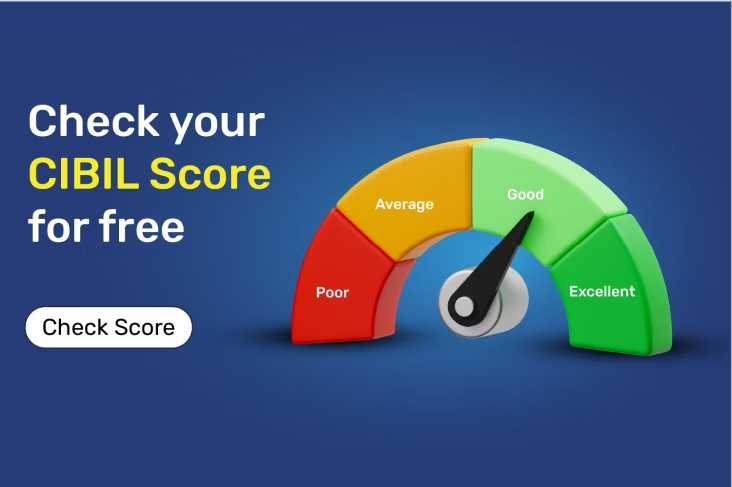
Before making any major financial decision, many people find themselves thinking… “Should I check my credit score first?” The answer is almost always yes. When you check your credit score, you gain a clear picture of your financial health, which plays a crucial role when you plan to take a home loan or apply for any credit. Your credit score reflects how responsibly you have managed your finances in the past, and lenders rely heavily on it to assess your repayment capacity. In addition, with digital tools now available, you can easily check CIBIL online and even calculate your CIBIL score within minutes. Think of it this way… your credit score is like your financial reputation—it follows you everywhere. The better it is, the easier it becomes to access loans at favourable terms.
What Happens When You Check My Credit Score
When you check your credit score, you are essentially reviewing a numerical summary of your credit behaviour.
Here’s what it typically includes:
- Payment history – Whether you pay EMIs and bills on time
- Credit utilisation – How much of your credit limit you use
- Credit mix – Types of loans and credit cards you hold
- Credit enquiries – Number of recent loan or credit applications
A typical credit score range looks like this:
| Credit Score Range | Rating Category | Impact on Loan Approval |
|---|---|---|
| 750 and above | Excellent | High approval chances |
| 700 – 749 | Good | Favourable terms likely |
| 650 – 699 | Average | Moderate approval |
| Below 650 | Low | Difficult approval |
Understanding this range helps you know where you stand before applying for credit.
Why Checking Your Credit Score Matters Before You Take a Home Loan
If you are planning to take a home loan, your credit score becomes one of the most important factors.
Here’s why:
- Higher scores can help you secure better interest rates
- Improves your chances of faster loan approval
- Gives lenders confidence in your repayment ability
- Helps you negotiate better loan terms
Now imagine this… two applicants apply for the same loan amount, but one has a higher score. Naturally, the one with the stronger profile is likely to get better terms.
That’s why it is always wise to check your credit score before applying.
How to Check CIBIL Online Easily
With digital platforms, it has become simple to check CIBIL online without any hassle.
Here’s how you can do it:
- Visit a trusted credit bureau or financial platform
- Enter your basic details like PAN and mobile number
- Verify your identity through OTP
- Access your credit score and report instantly
In addition, you can repeat this process periodically to stay updated about your financial status.
Can You Calculate Your CIBIL Score Yourself
While exact calculations are done by credit bureaus, you can still calculate your CIBIL score approximately by understanding key influencing factors.
These include:
- Timely EMI and credit card payments
- Low credit utilisation (ideally below 30%)
- Limited loan enquiries
- Balanced mix of secured and unsecured loans
Think of it this way… even if you cannot calculate the exact number, you can certainly control the factors that influence it.
Practical Ways to Improve Credit Score Over Time
If your score is not where you want it to be, don’t worry… you can always take steps to improve credit score gradually.
Here are some effective strategies:
- Pay all EMIs and credit card bills on time
- Avoid using your full credit limit
- Reduce outstanding debt whenever possible
- Avoid multiple loan applications in a short period
- Keep old credit accounts active for a longer credit history
These habits not only help you improve your score but also maintain it in the long run.
Common Mistakes to Avoid When Checking Your Credit Score
While it is important to check your credit score, certain mistakes can affect your financial profile.
Avoid these:
- Ignoring errors in your credit report
- Applying for multiple loans after checking your score
- Not monitoring your score regularly
- Closing old credit accounts unnecessarily
- Overlooking small unpaid dues
Imagine missing a minor error in your report… it could impact your chances of getting a loan.
How Often Should You Check Your Credit Score
Checking your score regularly helps you stay financially aware.
A good approach would be:
- Once every 3–6 months for general monitoring
- Before applying for a loan or credit card
- After clearing a major debt
In addition, frequent checks through authorised platforms do not harm your score, making it a safe practice.
Summary – Why You Should Always Check My Credit Score
When you check your credit score, you take the first step towards better financial planning. Whether you plan to take a home loan, check CIBIL online, or calculate your CIBIL score, understanding your credit profile helps you make informed decisions. Moreover, by adopting simple habits to improve your credit score, you can enhance your eligibility and secure better loan terms.
In the end… your credit score is more than just a number—it is your financial identity. And keeping it strong ensures that every future opportunity remains within your reach.