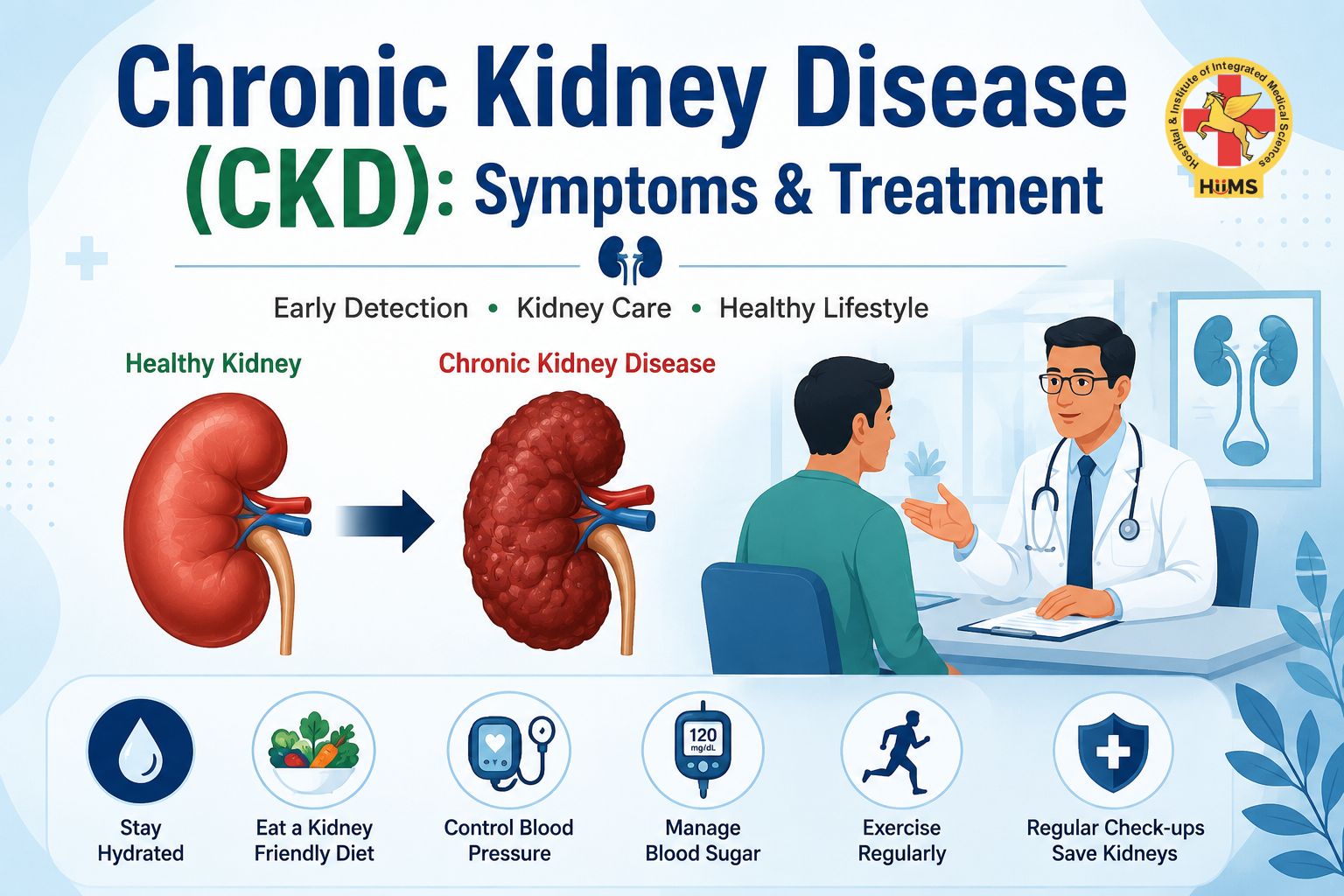
Healthy kidneys silently perform many essential functions every day. They filter waste from the blood, balance body fluids, regulate blood pressure, and help maintain healthy bones and red blood cells. Unfortunately, many people don’t realize their kidneys are becoming damaged until the condition has progressed significantly.
Chronic Kidney Disease (CKD) develops gradually and often shows very few warning signs in its early stages. Understanding the symptoms, causes, and treatment options can help detect kidney problems earlier and improve long-term kidney health.
What is Chronic Kidney Disease?
Chronic Kidney Disease (CKD) is a condition in which the kidneys gradually lose their ability to filter waste and excess fluid from the blood. Unlike sudden kidney injury, CKD usually develops slowly over several months or years.
If kidney function continues to decline, waste products can build up inside the body, affecting many organs and increasing the risk of serious health complications.
Common Chronic Kidney Disease Symptoms
One of the biggest challenges is that chronic kidney disease symptoms may not appear until significant kidney damage has already occurred.
Some common kidney disease symptoms include:
- Persistent tiredness and weakness
- Swelling in the feet, ankles, or face
- Frequent urination, especially at night
- Foamy or bubbly urine
- Blood in urine
- Loss of appetite
- Nausea or vomiting
- Difficulty concentrating
- Dry and itchy skin
- Muscle cramps
- Shortness of breath
Anyone experiencing these symptoms regularly should consult a healthcare professional for proper evaluation.
What Causes Chronic Kidney Disease?
Several medical conditions and lifestyle factors can contribute to kidney damage.
Common chronic kidney disease causes include:
- Diabetes
- High blood pressure
- Obesity
- Family history of kidney disease
- Recurrent kidney infections
- Kidney stones
- Long-term use of certain pain medications
- Smoking
- Heart disease
Managing these risk factors early may help slow the progression of kidney damage.
How is CKD Diagnosed?
Early diagnosis plays an important role in protecting kidney function.
Doctors may recommend:
- Blood tests to evaluate kidney function
- Urine examination to detect protein or blood
- Blood pressure monitoring
- Ultrasound or imaging tests
- Estimated Glomerular Filtration Rate (eGFR)
Routine kidney checkups are especially important for people with diabetes or hypertension.
Chronic Kidney Disease Treatment
There is currently no complete cure for advanced CKD, but timely chronic kidney disease treatment can slow disease progression and improve quality of life.
A comprehensive treatment plan may include:
- Controlling blood sugar levels
- Managing blood pressure
- Kidney-friendly nutrition
- Reducing salt intake
- Staying physically active
- Maintaining healthy body weight
- Avoiding smoking
- Regular kidney monitoring
In advanced stages, dialysis or kidney transplantation may become necessary.
Lifestyle Tips for Better Kidney Health
Simple lifestyle changes can support kidney function and overall health.
- Drink enough water throughout the day.
- Eat fresh fruits and vegetables.
- Limit processed and salty foods.
- Exercise regularly.
- Maintain healthy blood pressure.
- Control diabetes properly.
- Avoid unnecessary painkillers.
- Schedule routine kidney health checkups.
These healthy habits may reduce the risk of worsening kidney disease.
Importance of Early Kidney Care
Many people ignore mild symptoms until kidney damage becomes severe. Early detection allows doctors to begin treatment before permanent complications develop.
Regular health screenings become even more important if you have:
- Diabetes
- High blood pressure
- Family history of kidney disease
- Obesity
- Age above 60 years
Seeking guidance from a qualified healthcare professional can help identify kidney problems at an early stage.
Kidney Care at Jeena Sikho HiiMS Bangalore
At Jeena Sikho HiiMS Bangalore, kidney wellness is approached through personalized consultations, lifestyle guidance, dietary recommendations, and Ayurvedic supportive care based on individual health conditions. The focus is on improving overall wellness while encouraging healthy kidney-supportive habits alongside appropriate medical evaluation.
People experiencing persistent kidney-related symptoms should always seek timely medical advice for accurate diagnosis and appropriate treatment.
Conclusion
Chronic kidney disease often develops silently, making early awareness extremely important. Recognizing kidney disease symptoms, maintaining a healthy lifestyle, and undergoing regular kidney checkups can help protect kidney function for the long term.
If you notice symptoms such as swelling, blood in urine, fatigue, or changes in urination, don’t ignore them. Early diagnosis and proper kidney disease treatment can make a significant difference in managing CKD and maintaining overall health.
Book an appointment today: https://hiims.in/hospital/bangalore/book-an-appointment
Website: https://hiims.in/hospital/bangalore/
Contact: +91-87920-87920