

Diet for PCOS isn’t about following strict food rules or cutting out entire food groups. Polycystic Ovary Syndrome, or PCOS, affects millions of women, and one thing surprises many people.
There isn’t one single diet that works for everyone. The right eating plan depends on your symptoms, lifestyle, and health goals. Even so, choosing the right foods can make a meaningful difference over time.
What you eat can make a real difference. It may help support hormone balance, manage insulin resistance, improve energy levels, and make weight management a little easier. Small changes often add up over time.
If you’ve been searching for a simple guide without confusing nutrition advice, you’re in the right place.
Whether you’re trying to manage irregular periods, weight changes, acne, or cravings, this guide covers the foods that deserve a place on your plate and the ones you may want to cut back on.
What Is PCOS?
PCOS is a hormonal condition that can affect:
- Menstrual cycles
- Ovulation
- Blood sugar regulation
- Weight
- Skin health
- Fertility
Many women with PCOS also have insulin resistance. That means the body doesn’t use insulin efficiently, which can lead to higher blood sugar levels. Over time, this may increase hunger, cravings, and weight gain.
Food alone won’t cure PCOS. Still, eating well can support your overall health and improve many symptoms.
Why Your Diet Matters in PCOS
Your meals affect more than just your weight.
A balanced diet may help:
- Support stable blood sugar
- Reduce frequent cravings
- Improve energy throughout the day
- Support hormone balance
- Reduce inflammation
- Help with healthy weight management
- Improve ovulation in some women
The goal isn’t eating less.
The goal is eating smarter.
Foods to Eat for PCOS
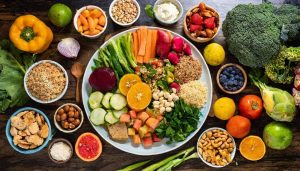
- High-Fiber Foods
Fiber slows digestion and helps prevent sharp blood sugar spikes.
Good choices include:
- Oats
- Brown rice
- Quinoa
- Whole wheat roti
- Apples
- Pears
- Guava
- Berries
- Carrots
- Broccoli
- Spinach
- Beans
- Lentils
Try filling half your plate with vegetables during lunch and dinner. It’s a simple habit that works well for many people.
- Lean Protein
Protein helps you stay full for longer.
It may also reduce unnecessary snacking.
Include foods like:
- Eggs
- Fish
- Chicken
- Tofu
- Paneer
- Greek yogurt
- Dal
- Chickpeas
- Kidney beans
Even adding one protein source to breakfast can make a noticeable difference.
- Healthy Fats
Fat isn’t the enemy.
Your body needs healthy fats for hormone production.
Choose:
- Almonds
- Walnuts
- Flaxseeds
- Chia seeds
- Pumpkin seeds
- Olive oil
- Avocados
A small handful of nuts can be a better snack than packaged chips.
- Low Glycemic Index Foods
Low GI foods release sugar slowly into the bloodstream.
Some good examples are:
- Steel-cut oats
- Sweet potatoes
- Whole grains
- Legumes
- Most vegetables
- Apples
- Oranges
These foods help keep energy more stable through the day.
- Anti-Inflammatory Foods
Many women with PCOS experience low-grade inflammation.
Adding these foods may help:
- Tomatoes
- Leafy greens
- Fatty fish
- Turmeric
- Ginger
- Green tea
- Berries
No single food changes everything. Together, these choices build a healthier eating pattern.
Foods to Avoid with PCOS
You don’t have to ban your favourite foods completely.
Still, eating these less often may help manage symptoms.
Sugary Drinks
These are one of the biggest sources of added sugar.
Limit:
- Soft drinks
- Energy drinks
- Sweetened fruit juices
- Sweetened iced tea
Water, buttermilk, lemon water, and unsweetened tea are better everyday choices.
Refined Carbohydrates
These digest quickly and may raise blood sugar faster.
Examples include:
- White bread
- White pasta
- Bakery products
- White rice in large portions
- Cookies
- Cakes
Instead, swap them with whole-grain options whenever possible.
Highly Processed Foods
Many packaged foods contain excess salt, unhealthy fats, and added sugars.
Try reducing:
- Chips
- Instant noodles
- Packaged snacks
- Frozen fried foods
- Fast food
Cooking simple meals at home most days can make a real difference.
Sugary Desserts
You don’t need to stop celebrating birthdays.
But eating sweets every day isn’t helpful.
Keep foods like these for occasional treats:
- Ice cream
- Pastries
- Donuts
- Candy
- Chocolate with high added sugar
Processed Meats
Some processed meats contain high amounts of sodium and preservatives.
Examples include:
- Sausages
- Salami
- Bacon
Fresh protein sources are usually a better option.
Simple Meal Ideas for PCOS
Eating healthy doesn’t have to be complicated.
Here are a few balanced meal ideas.
Breakfast
- Vegetable oats with boiled eggs
- Moong dal chilla with curd
- Greek yogurt with berries and flaxseeds
Lunch
- Brown rice
- Dal
- Mixed vegetable sabzi
- Salad
Evening Snack
- Roasted chana
- Apple with peanut butter
- Handful of mixed nuts
Dinner
- Grilled fish or tofu
- Stir-fried vegetables
- Millet roti
Simple meals often become long-term habits because they’re easy to follow.
Lifestyle Habits That Support a PCOS Diet
Food is one part of the picture.
These habits matter too.
- Stay physically active most days.
- Aim for regular sleep.
- Drink enough water.
- Eat meals at consistent times.
- Manage stress through activities you enjoy.
- Avoid skipping breakfast regularly.
You don’t have to do everything perfectly.
Doing a few things consistently is usually more helpful.
Should You Follow a Special PCOS Diet?
People often ask about keto, intermittent fasting, or gluten-free diets.
The truth is, there isn’t one perfect eating plan.
The best diet is one you can follow comfortably without feeling deprived.
For many women, a balanced diet rich in vegetables, whole grains, lean protein, healthy fats, and fiber works well.
If you have diabetes, thyroid issues, food allergies, or fertility concerns, your diet may need to be more personalized.
That’s where guidance from a qualified nutrition expert becomes valuable.
When Should You Consult a Professional Nutritionist?
If you’ve been trying different diets without success, don’t blame yourself.
PCOS is complex.
Working with a Professional Nutritionist in Bangalore can help you understand your body’s needs instead of following random advice from social media.
A personalized nutrition plan may help if you:
- Have frequent weight fluctuations
- Struggle with insulin resistance
- Experience irregular periods
- Are planning pregnancy
- Feel confused about what to eat
- Want realistic meal planning that fits your lifestyle
An experienced nutritionist can assess your health history, eating habits, and lifestyle before recommending practical dietary changes.
Experience and Expertise Matter
This article is based on current nutrition guidance from trusted health organizations and published research on PCOS, insulin resistance, and healthy dietary patterns. Every woman experiences PCOS differently, so nutrition plans should be individualized based on medical history, symptoms, and health goals.
If your symptoms persist or become difficult to manage, consulting a registered dietitian or a qualified Professional Nutritionist in Bangalore can provide evidence-based nutrition advice tailored to your needs.
Frequently Asked Questions
What is the best diet for PCOS?
A diet that includes whole grains, vegetables, fruits, lean protein, healthy fats, and high-fiber foods is commonly recommended. The best plan depends on your health, lifestyle, and nutritional needs.
Which foods should I avoid if I have PCOS?
Try to limit sugary drinks, refined carbohydrates, highly processed snacks, fast food, and desserts with added sugar. Reducing these foods may help support healthy blood sugar levels.
Can losing weight improve PCOS symptoms?
For women who are overweight, even modest weight loss may support better insulin sensitivity and menstrual regularity. Weight goals should always be realistic and personalized.
Is rice bad for PCOS?
Not necessarily. Portion size and the type of rice matter. Brown rice or pairing white rice with vegetables and protein can help create a more balanced meal.
Can I eat fruit if I have PCOS?
Yes. Whole fruits provide fiber, vitamins, and antioxidants. Apples, berries, oranges, pears, and guava are good choices when eaten as part of a balanced diet.
Should I completely stop eating sugar?
No. Completely restricting foods often makes diets difficult to maintain. Enjoy sweets occasionally while focusing on nutritious meals most of the time.
Is exercise necessary with a PCOS diet?
Yes. Regular physical activity, along with healthy eating, supports blood sugar control, weight management, and overall well-being.
Final Thoughts
Managing PCOS isn’t about chasing the latest food trend. It’s about building eating habits that you can actually stick with.
Start small.
Add more vegetables to one meal. Include protein at breakfast. Swap sugary drinks for water. These changes may seem small today, but they can support your health over time.
If you need a plan tailored to your symptoms, lifestyle, and health goals, working with a Professional Nutritionist in Bangalore can help you make informed food choices based on science instead of guesswork.
















Leave a Reply