

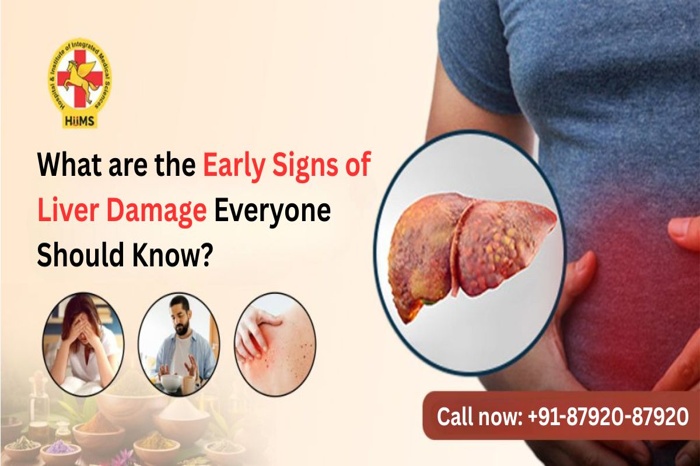
The liver is one of the most important organs in the human body. It performs several vital functions, including filtering toxins, supporting digestion, regulating metabolism, and storing essential nutrients. When the liver starts losing its ability to function properly, the body may begin showing certain warning signs. Unfortunately, many people ignore these early symptoms because they often appear mild or unrelated to liver health.
Recognizing the early signs of liver damage can help individuals take timely steps toward improving their overall well-being. At Jeena Sikho HiiMS, emphasis is placed on understanding the body’s natural signals and adopting lifestyle practices that support liver damage health.
Why Is Liver Health Important?
The liver works continuously to process nutrients, remove harmful substances, and maintain balance within the body. Any disturbance in its function can affect multiple systems, including digestion, energy levels, skin health, and immunity.
Since the liver is involved in hundreds of bodily processes, even minor damage can gradually lead to noticeable symptoms. Paying attention to these signs can help prevent further complications.
1. Persistent Fatigue and Weakness
One of the earliest and most commonly overlooked signs of liver damage is constant fatigue. Individuals may feel tired even after getting adequate rest. Daily activities that were once easy may start feeling exhausting.
When the liver damage struggles to perform its functions efficiently, toxins may accumulate in the body, contributing to feelings of weakness and reduced energy. Persistent fatigue that continues for weeks should not be ignored.
2. Loss of Appetite
A sudden decrease in appetite can be another warning sign of liver dysfunction. Many people with early liver issues report feeling less interested in food or becoming full after eating small portions.
The liver plays a significant role in digestion and nutrient processing. When its function becomes impaired, digestive efficiency may decline, affecting hunger signals and overall eating habits.
3. Unexplained Weight Loss
Unintentional weight loss without changes in diet or physical activity may indicate an underlying health concern, including liver damage. Reduced appetite combined with digestive disturbances can contribute to gradual weight loss.
If weight loss occurs unexpectedly and is accompanied by other symptoms such as fatigue or digestive discomfort, it may be worth paying closer attention to liver health.
4. Digestive Problems
The liver produces bile, which helps the body digest fats. Damage to the liver can interfere with bile production and flow, leading to various digestive concerns.
Common digestive symptoms may include:
- Frequent bloating
- Indigestion
- Gas formation
- Nausea
- Discomfort after meals
These symptoms may initially appear mild but can become more noticeable as liver function declines.
5. Yellowing of the Skin and Eyes
Yellow discoloration of the skin and the whites of the eyes, commonly known as jaundice, is a well-known sign of liver dysfunction. This occurs when bilirubin, a yellow pigment produced during the breakdown of red blood cells, accumulates in the bloodstream.
Although jaundice may not always appear during the earliest stages of liver damage, it is an important symptom that should never be ignored.
6. Dark-Colored Urine
Changes in urine color can sometimes indicate liver-related issues. Dark yellow, amber, or brown-colored urine may occur when bilirubin levels rise in the body.
Even when hydration levels remain normal, persistent dark urine can signal that the liver is not processing waste products effectively. Monitoring such changes can help identify potential health concerns early.
7. Pale or Light-Colored Stool
The liver and bile ducts play a key role in determining the normal color of stool. When bile flow is disrupted, stool may appear pale, clay-colored, or lighter than usual.
While occasional changes may result from dietary factors, consistent alterations in stool color can be associated with liver dysfunction and should not be overlooked.
8. Abdominal Discomfort
Many individuals with early liver damage experience discomfort or heaviness in the upper right side of the abdomen, where the liver is located. This sensation may range from mild pressure to occasional pain. In some cases, inflammation or enlargement of the liver may contribute to this discomfort. Persistent abdominal symptoms should be monitored carefully.
9. Swelling in the Abdomen or Legs
As liver function becomes compromised, fluid balance within the body may be affected. This can lead to swelling in different areas, particularly:
- Abdomen
- Ankles
- Feet
- Legs
Early swelling may appear mild and intermittent but can become more noticeable over time. Any unexplained fluid retention should be evaluated promptly.
10. Itchy Skin
Chronic itching without an obvious skin condition can sometimes be linked to liver problems. When bile salts accumulate beneath the skin due to impaired liver function, they may trigger persistent itching.
Unlike ordinary skin irritation, liver damage-related itching often affects larger areas of the body and may not improve with common skincare measures.
11. Easy Bruising
The liver contributes to the production of proteins involved in blood clotting. When liver function becomes impaired, the body’s ability to clot blood efficiently may decrease.
As a result, some individuals may notice:
- Frequent bruising
- Minor injuries causing significant discoloration
- Prolonged bleeding from small cuts
These changes can be early indicators that the liver requires attention.
Lifestyle Habits That Support Liver Health
Maintaining liver health involves adopting habits that reduce the burden on this vital organ. Some beneficial practices include:
- Eating a balanced and nutrient-rich diet
- Staying physically active
- Drinking adequate water
- Managing stress effectively
- Prioritizing quality sleep
- Avoiding excessive consumption of processed foods
- Supporting healthy digestion through mindful eating
At Jeena Sikho HiiMS, awareness is created around holistic lifestyle practices that help individuals support their overall wellness and maintain healthy liver function.

Conclusion
The liver often gives subtle warning signs before significant damage occurs. Persistent fatigue, digestive discomfort, loss of appetite, unexplained weight loss, jaundice, dark urine, itching, and abdominal swelling are some of the early symptoms that should not be ignored.
Recognizing these signs at the right time can encourage proactive steps toward better health. Jeena Sikho HiiMS emphasizes the importance of understanding the body’s signals and adopting a healthy lifestyle that supports long-term liver wellness. By staying aware of these early indicators, individuals can make informed choices and take better care of one of the body’s most essential organs.
Read More: 7-Day Fatty Liver Treatment Meal Plan for a Healthy Liver
















Leave a Reply