Ethical Fashion Trends Growing in the USA
Fashion in the USA is changing as more shoppers think about how their clothes are made, where materials come from, and what happens after garments are no longer wanted. Ethical fashion is becoming more popular because consumers are looking beyond trends and focusing on quality, responsible production, and environmental impact. From sustainable fabrics to secondhand shopping, ethical fashion trends are influencing how Americans buy, wear, and care for clothing.
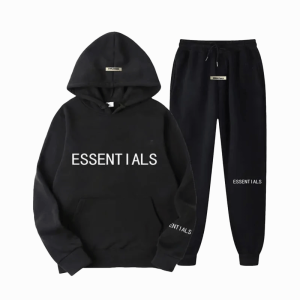
Essentials Hoodie Ethical Fashion Trends Growing in the USA
The Essentials Hoodie reflects the growing demand for comfortable, versatile, and long-lasting clothing in modern wardrobes. Its simple design makes it easy to style with jeans, joggers, shorts, or layered outfits throughout the year. As consumers become more thoughtful about buying fewer but more useful pieces, timeless hoodies can fit naturally into a practical wardrobe. Choosing well-made everyday clothing and wearing it regularly can also support a more mindful approach to fashion, especially when quality and durability matter.
What Is Ethical Fashion?
Ethical fashion is an approach to clothing that considers people, animals, and the environment. It can involve fair working conditions, responsible wages, reduced waste, safer production methods, and better material choices. Unlike fast fashion, which often focuses on producing inexpensive clothing quickly, ethical fashion encourages shoppers to consider the complete life cycle of a garment.
The movement does not require consumers to completely change their wardrobes overnight. Small choices, such as buying durable clothing, repairing damaged items, or choosing secondhand products, can make a difference. As awareness increases, ethical fashion is becoming an important part of the American clothing market.
Sustainable Fabrics Are Becoming More Popular
One of the biggest ethical fashion trends in the USA is the increasing interest in sustainable fabrics. Shoppers are becoming more familiar with materials such as organic cotton, recycled fibers, hemp, linen, and other lower-impact alternatives.
Organic cotton, for example, is produced without many of the synthetic agricultural chemicals used in conventional cotton farming. Recycled materials can also give existing resources another purpose instead of relying entirely on new raw materials.
However, sustainable fabric labels should not automatically be viewed as proof that a product is completely environmentally friendly. Consumers are becoming more interested in understanding how materials are sourced, processed, transported, and eventually disposed of.
Secondhand Fashion Continues to Grow
Buying secondhand clothing has become a major part of the ethical fashion movement. Thrift stores, resale websites, vintage shops, and online marketplaces allow shoppers to find unique pieces while giving existing garments a longer life.
Secondhand shopping can reduce demand for newly manufactured clothing and help keep usable garments away from landfills. It also gives consumers an affordable way to experiment with different styles without always purchasing brand-new products.
For younger shoppers especially, vintage and resale fashion can combine personal expression with a more conscious approach to consumption.
Quality Over Quantity
Another important trend is the move toward buying fewer, better-quality pieces. Many consumers are tired of purchasing inexpensive clothing that loses its shape, color, or comfort after only a few uses.
Durable basics can provide more value over time because they can be worn repeatedly and styled in different ways. Simple hoodies, jackets, trousers, T-shirts, and other wardrobe staples can become useful foundations for everyday outfits.
This idea also encourages consumers to think before purchasing. Instead of asking only, “Is this fashionable?” shoppers may ask, “Will I wear this regularly?” and “Will it last?”
Clothing Repair and Upcycling
Repairing clothing is also becoming part of the ethical fashion conversation. Small problems such as loose buttons, damaged seams, or minor holes do not always mean a garment needs to be thrown away.
Some consumers are learning basic sewing skills, while others use professional repair services. Upcycling takes the idea further by transforming old garments into something different.
These practices can reduce textile waste and encourage people to develop a stronger connection with the clothes they already own.
Transparency Matters to American Shoppers
Consumers increasingly want to know more about fashion brands before making purchases. Questions about factory conditions, worker treatment, material sourcing, packaging, and environmental policies can influence buying decisions.
This has encouraged some fashion companies to provide more information about their supply chains and production practices. Transparency does not necessarily mean that a brand is perfect, but clear information can help shoppers make more informed choices.
As ethical fashion grows, brands that communicate honestly and provide meaningful information may build stronger relationships with conscious customers.
Minimalist Wardrobes Are Gaining Attention
Minimalism is another trend connected to ethical fashion. A minimalist wardrobe generally focuses on versatile clothing that can be mixed and matched easily.
Instead of filling closets with garments that are rarely worn, consumers can focus on practical pieces that suit their lifestyle. Neutral colors, classic silhouettes, comfortable basics, and adaptable layers can make everyday dressing easier while reducing unnecessary purchases.
A smaller wardrobe can also encourage people to understand their personal style rather than constantly following short-lived fashion trends.
The Future of Ethical Fashion in the USA
Ethical fashion is likely to continue influencing the American clothing industry as consumers become more conscious of their purchasing habits. Sustainable materials, resale shopping, durable clothing, repair services, transparent supply chains, and minimalist wardrobes are all contributing to this change.
The goal is not necessarily to create a perfect wardrobe. Instead, ethical fashion encourages more thoughtful decisions. Buying less, choosing useful clothing, caring for garments properly, and supporting responsible practices can gradually create better habits.
Final Thoughts
The growth of ethical fashion in the USA shows that style and responsibility can exist together. American shoppers are increasingly interested in clothing that offers comfort, quality, versatility, and a more thoughtful approach to production and consumption.
From sustainable fabrics and secondhand clothing to timeless essentials and repair culture, these trends are changing the way people think about fashion. As this movement continues, making informed choices can help consumers build wardrobes that look good, feel practical, and support a more responsible future for the fashion industry.