Okay, let’s be real for a second. If you’re a woman somewhere between your late 30s and 60s, and you’ve been feeling like a stranger in your own body — tired all the time, moody for no reason, sleep is trash, and your libido packed up and left without notice — you’re not imagining it. This is one of those things nobody really prepares you for. Your hormones start doing their own thing, and suddenly you’re googling “why do I feel crazy” at 2am. Been there.
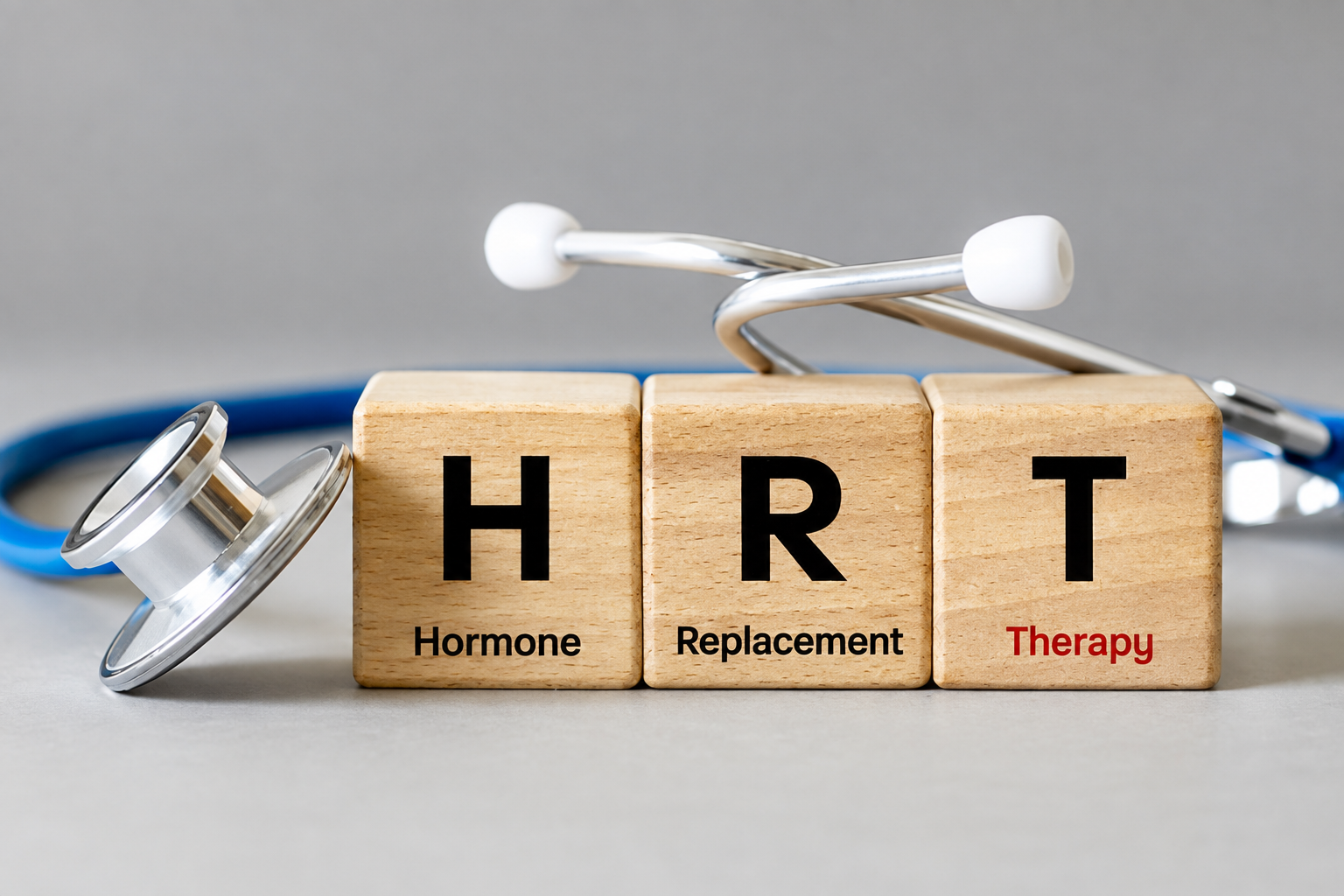
That’s usually when Hormone Therapy for Women comes up in conversation, and honestly, it should come up more than it does. There’s still this weird stigma around it, like it’s some last resort thing or something only “older” women do. That’s just not true anymore.
So What Actually Is Hormone Therapy?
In the simplest terms, hormone therapy replaces or balances out the hormones your body isn’t making enough of anymore — mainly estrogen, progesterone, and sometimes testosterone (yes, women need a little testosterone too, don’t let anyone tell you otherwise). As you age, especially through perimenopause and menopause, your ovaries slow down production. That drop-off is what causes hot flashes, night sweats, weight that won’t budge no matter what you do, brain fog, and mood swings that come out of nowhere.
Doctors have been prescribing hormone treatments for decades now, but the approach has changed a lot. It’s not the one-size-fits-all pill your mom might’ve taken. Now there’s more nuance, more options, and more attention paid to actually listening to what your body needs.
Where Bioidentical Hormone Options Come In
This is where things get interesting, and honestly where a lot of women start paying closer attention. A Bioidentical Hormone is basically a hormone that’s chemically identical to what your own body produces naturally — not some synthetic version that’s “close enough.” The molecular structure matches, so your body recognizes it and uses it the way it’s supposed to.
Compare that to older synthetic hormone treatments, which sort of mimic your hormones but aren’t an exact match. Some women do fine on those. Others feel like something’s just… off. That’s usually where bioidentical options get brought up by a doctor who actually specializes in this stuff.
These are often derived from plant sources (yams and soy, weirdly enough) and then processed to match human hormones exactly. They can come in creams, patches, pills, or pellets inserted under the skin — and yeah, the pellet thing sounds intense but a lot of women swear by it because you’re not remembering to take a pill every day.
Signs You Might Actually Need This
Not every bad mood or tired day means your hormones are shot. But if you’re noticing a pattern — like, an actual pattern, not just a rough week — it might be worth looking into. Here’s the kind of stuff that tends to show up:
Hot flashes and night sweats that ruin your sleep. Weight gain around the midsection that seems to appear overnight. Mood swings, irritability, or a kind of low-grade anxiety that wasn’t there before. Brain fog — forgetting words mid-sentence, losing your train of thought constantly. Low sex drive, or sex that’s suddenly uncomfortable. Thinning hair, dry skin, joint aches you can’t explain.
If a handful of these sound familiar, that’s your body waving a flag. Doesn’t mean you need to panic, but it does mean a conversation with someone who understands hormone therapy for women is probably overdue.
Why It’s Not Just About “Feeling Better”
People tend to think hormone therapy is just about comfort — like, oh, you’re a little cranky, here’s a patch. But it goes deeper than that. Estrogen plays a role in bone density, heart health, and even cognitive function. When estrogen drops off a cliff during menopause, your risk for osteoporosis and certain cardiovascular issues goes up too. So this isn’t just about quality of life in the day-to-day sense, though that matters plenty. It’s also preventative, in a way.
That said — and this is important — hormone therapy isn’t right for everyone. Women with certain cancer histories, blood clot risks, or specific health conditions need to be evaluated carefully first. This is exactly why self-diagnosing off a blog post (even this one, ha) and ordering something online isn’t the move. You need bloodwork, a real evaluation, and someone tracking your levels over time.
What the Process Actually Looks Like
Most legit clinics start with lab work. They’ll check your estrogen, progesterone, testosterone, thyroid function, sometimes cortisol too, because stress hormones mess with everything else. From there, a provider builds a plan around your specific numbers and your symptoms — not a generic chart.
Dosing gets adjusted over weeks and months as your body responds. Some women feel a difference within a couple weeks. Others take a little longer, because bodies are stubborn like that. The key thing with Bioidentical Hormone treatment specifically is that it can be customized — compounded to match your exact levels rather than a standard dose that works for the “average” woman (who doesn’t really exist, if we’re honest).
It’s Not Just a Menopause Thing Either
A lot of people assume this is strictly a menopause conversation, but younger women dealing with PCOS, thyroid issues, postpartum hormone crashes, or even just chronic stress-related imbalances can benefit too. Hormones don’t wait for a specific birthday to act up. If your cycle’s been weird for years, or you’ve had unexplained fatigue that no amount of coffee fixes, it might be worth getting your levels checked regardless of your age.
Bottom Line
Look, nobody loves talking about hormones. It’s not exactly dinner party conversation. But ignoring what your body is telling you doesn’t make it go away — it usually just gets louder. Whether it’s classic hormone therapy or something more tailored like bioidentical hormone treatment, there are real options now that didn’t exist or weren’t well understood even ten years ago.
If you’ve been feeling like a shadow of yourself, it might not be “just stress” or “just aging.” Get your levels checked. Talk to someone who actually specializes in this. You deserve to feel like yourself again — not just tolerate your days.
FAQs
- How long does it take to feel a difference after starting hormone therapy?
Honestly, it varies. Some women notice changes in energy and sleep within two to three weeks. Others need a couple months of dose adjustments before things really click. Patience matters here — it’s not an overnight fix. - Is bioidentical hormone therapy safer than traditional hormone therapy?
It’s not necessarily “safer” across the board, but many women tolerate it better because it matches their body’s natural hormone structure. Still, safety depends on your personal health history, so this needs a proper evaluation, not guesswork. - Can younger women use hormone therapy, or is it only for menopause?
Nope, it’s not just a menopause thing. Women dealing with PCOS, thyroid imbalances, or postpartum hormone crashes can benefit too. Age isn’t the deciding factor — your actual hormone levels are. - Do I need bloodwork before starting treatment?
Yes, pretty much always. A responsible provider will check your hormone levels first and build a plan around your numbers, not just your symptoms alone. Skipping this step is a red flag if a clinic offers it.