Digital transformation has become one of the most important priorities for businesses across every industry. Organizations are investing in cloud computing, automation, artificial intelligence, and connected technologies to improve efficiency, reduce costs, and deliver better customer experiences. Companies that operate vehicle fleets are no exception. Whether managing delivery vans, heavy trucks, construction equipment, or service vehicles, businesses are replacing manual processes with intelligent digital solutions that provide greater visibility and control.
One of the most valuable technologies supporting this transformation is fleet management software. More than just a vehicle tracking platform, modern fleet management software integrates real-time GPS monitoring, maintenance planning, driver performance analysis, fuel management, reporting, and business analytics into a single cloud-based system.
As organizations continue to embrace digital operations, fleet management software has become a strategic investment that helps businesses streamline workflows, improve operational performance, and prepare for future growth.
The Shift from Manual Fleet Management
Many businesses still rely on spreadsheets, paper logs, phone calls, and disconnected software to manage their fleet. While these methods may work for a small number of vehicles, they quickly become inefficient as operations expand.
Manual fleet management often creates challenges such as:
- Delayed communication between drivers and dispatchers
- Inaccurate vehicle records
- Missed maintenance schedules
- Limited operational visibility
- Time-consuming administrative work
- Difficulty tracking overall fleet performance
Digital tools eliminate these inefficiencies by centralizing information into one accessible platform.
A modern fleet management software solution provides managers with immediate access to operational data from any location, allowing faster and more informed decisions.
Centralizing Fleet Operations
One of the biggest advantages of fleet management software is its ability to consolidate information from multiple sources.
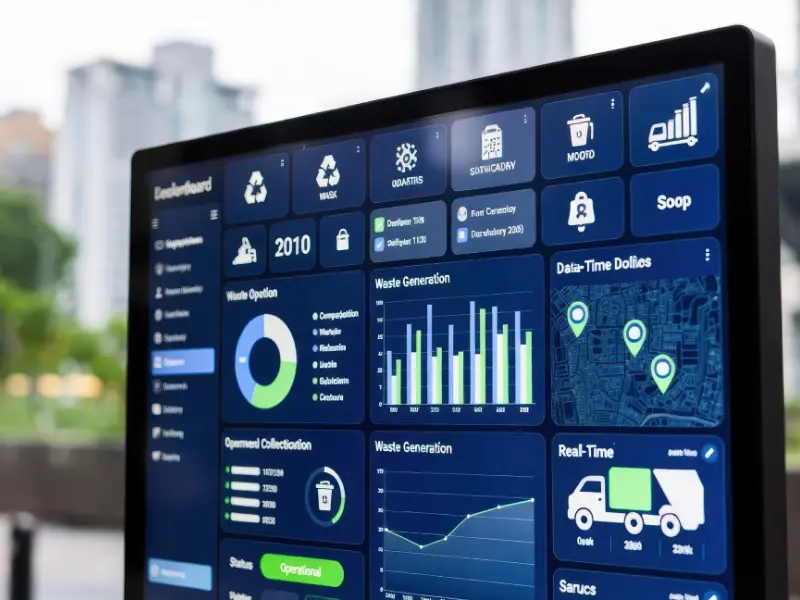
Instead of switching between different applications, businesses can manage everything from a single dashboard, including:
- Vehicle locations
- Driver assignments
- Maintenance schedules
- Fuel consumption
- Trip history
- Vehicle utilization
- Inspection records
- Performance reports
Centralized management reduces complexity while improving collaboration between departments.
Dispatch teams, operations managers, maintenance personnel, and executives all have access to the same reliable information, reducing communication gaps and improving efficiency.
Improving Real-Time Visibility
Digital transformation depends on access to accurate, real-time information.
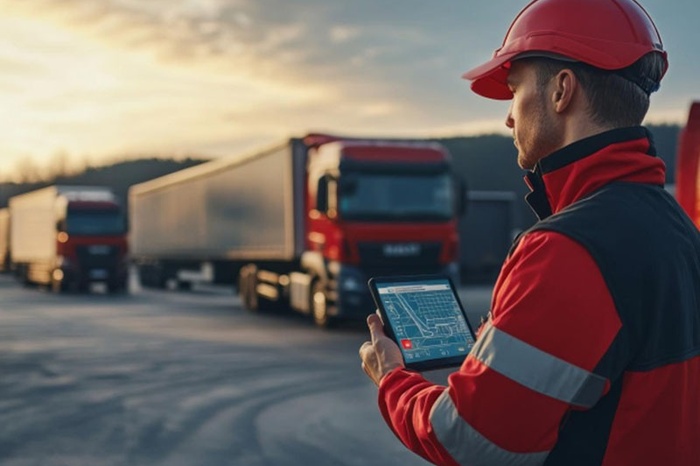
Fleet management software provides continuous updates about vehicle activity, allowing businesses to monitor operations as they happen.
Managers can instantly view:
- Vehicle locations
- Current routes
- Driver status
- Idle vehicles
- Completed trips
- Estimated arrival times
This visibility enables businesses to respond quickly to unexpected situations such as traffic congestion, route changes, customer requests, or emergency vehicle issues.
Instead of reacting after problems occur, organizations can proactively manage fleet operations.
Automating Routine Tasks
Automation is one of the primary goals of digital transformation.
Fleet management software replaces repetitive manual work with automated workflows that save time and improve accuracy.
Examples include:
- Scheduled maintenance reminders
- Automatic trip recording
- Driver activity reports
- Fuel usage summaries
- Vehicle inspection notifications
- Insurance and registration alerts
These automated processes reduce administrative workloads while ensuring important tasks are completed on time.
Employees can spend less time entering data and more time focusing on activities that contribute directly to business growth.
Optimizing Fleet Performance
Every business wants to maximize the productivity of its fleet.
Fleet management software provides detailed operational insights that help organizations identify opportunities for improvement.
Managers can evaluate:
- Vehicle utilization
- Average trip duration
- Idle time
- Fuel efficiency
- Driver productivity
- Route performance
These performance indicators help businesses optimize scheduling, reduce waste, and allocate resources more effectively.
Small improvements made consistently across an entire fleet often result in significant long-term operational savings.
Supporting Smarter Maintenance Strategies
Vehicle maintenance plays an important role in business continuity.
Unexpected breakdowns can delay deliveries, disrupt customer service, and increase repair costs.
Fleet management software supports preventive maintenance by automatically tracking:
- Mileage
- Engine operating hours
- Previous service history
- Inspection intervals
- Maintenance deadlines
Automated reminders ensure vehicles receive timely servicing before major mechanical issues develop.
Preventive maintenance not only reduces downtime but also extends vehicle lifespan and improves fleet reliability.
Enhancing Driver Performance
Drivers are among the most valuable assets within any fleet operation.
Fleet management software provides objective information that helps businesses encourage safer and more efficient driving practices.
Managers can review:
- Speeding incidents
- Harsh braking events
- Rapid acceleration
- Idle time
- Route compliance
- Driving hours
Instead of relying on assumptions, businesses can use measurable data to recognize excellent performance, identify coaching opportunities, and establish driver improvement programs.
Improved driving behavior contributes to lower fuel consumption, reduced maintenance costs, and enhanced road safety.
Strengthening Customer Service
Customer expectations continue to rise in today’s competitive marketplace.
Businesses must deliver accurate arrival estimates, reliable service, and timely communication.
Fleet management software improves customer satisfaction by enabling businesses to:
- Dispatch the nearest available vehicle
- Monitor delivery progress
- Provide accurate ETAs
- Respond quickly to customer inquiries
- Minimize service delays
Reliable fleet operations help build trust while encouraging repeat business and positive referrals.
Supporting Data-Driven Decision Making
Digital transformation is driven by data.
Fleet management software generates valuable reports that help managers evaluate operational performance and identify long-term improvement opportunities.
Common reports include:
- Fleet utilization analysis
- Driver performance reports
- Fuel consumption trends
- Maintenance expenses
- Vehicle operating costs
- Route efficiency metrics
These insights support better budgeting, strategic planning, and resource allocation.
Instead of making decisions based on estimates, business leaders can rely on accurate operational information.

Enabling Scalability
Growing businesses require technology that can expand alongside their operations.
Cloud-based fleet management system supports scalability by allowing organizations to:
- Add new vehicles
- Manage multiple branches
- Support additional users
- Create department-specific access
- Monitor fleets across different regions
- Introduce new reporting requirements
Because the software operates in the cloud, businesses avoid the complexity of maintaining expensive on-premise infrastructure.
Scalable technology ensures that growth does not create unnecessary operational challenges.
Preparing for Emerging Technologies
Fleet operations continue to evolve through rapid technological innovation.
Modern fleet management software increasingly integrates with:
- Artificial intelligence for predictive insights
- Internet of Things (IoT) sensors
- Vehicle diagnostics systems
- Electric vehicle monitoring
- Dash cameras
- Fuel management systems
- Predictive maintenance platforms
These integrations enable businesses to build connected fleet ecosystems that improve efficiency while supporting future technological advancements.
Organizations adopting digital fleet solutions today are better prepared to incorporate tomorrow’s innovations without replacing their existing systems.
Creating Long-Term Business Value
Digital transformation is not simply about replacing paperwork with software.
It is about creating sustainable operational improvements that continue delivering value over time.
Fleet management software helps organizations:
- Improve productivity
- Reduce operating expenses
- Increase fleet visibility
- Strengthen compliance
- Enhance customer service
- Support strategic growth
These long-term benefits extend well beyond daily vehicle tracking, making the software an essential component of modern business operations.
As businesses continue expanding and customer expectations become more demanding, organizations equipped with intelligent fleet management solutions gain a significant competitive advantage.
Conclusion
Digital transformation is changing how businesses manage vehicles, employees, and operational resources. Organizations that rely on outdated processes often struggle with rising costs, limited visibility, and inefficient decision-making. White Label Fleet management software provides a comprehensive solution by centralizing fleet operations, automating routine tasks, improving driver performance, and delivering real-time business intelligence.
From preventive maintenance and route optimization to cloud accessibility and advanced analytics, the software empowers organizations to operate more efficiently while preparing for future technological developments. As industries continue embracing digital innovation, fleet management software will remain a cornerstone of successful fleet operations, helping businesses improve productivity, increase profitability, and achieve sustainable long-term growth.