

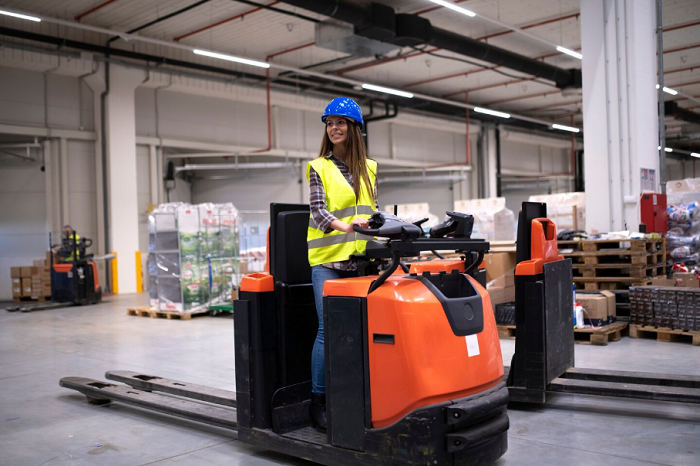
Forklifts are an essential part of material handling across warehouses, manufacturing facilities, construction sites, distribution centers, logistics operations, and industrial businesses. They make it easier to lift, transport, stack, and position heavy materials while reducing the physical effort required from workers. However, regular use can place significant stress on mechanical, hydraulic, electrical, and structural components. Proper maintenance and professional servicing are therefore essential for keeping forklifts reliable and safe.
Professional Forklifts Services provide businesses with the technical support needed to maintain equipment, identify problems, complete repairs, and improve overall operational efficiency. A well-planned service program can help reduce unexpected breakdowns, extend equipment life, and keep material-handling operations running smoothly.
Understanding Forklift Services
Forklift services cover a wide range of maintenance and repair solutions. The exact services required depend on the forklift model, operating environment, workload, age, and frequency of use. Some forklifts may require simple routine maintenance, while heavily used equipment may need more frequent inspections and repairs.
Typical services include preventive maintenance, mechanical repairs, hydraulic system servicing, electrical troubleshooting, brake inspection, tire replacement, battery maintenance, fork inspection, welding and structural repairs, and replacement of worn components.
A professional service provider can assess the condition of a forklift and recommend appropriate maintenance based on its operating requirements. Regular servicing is generally more effective than waiting until a machine experiences a major failure.
Why Forklift Maintenance Is Important
Forklifts often operate under demanding conditions. They may carry heavy loads for several hours each day, travel across uneven surfaces, or work in dusty and busy environments. These conditions can accelerate wear on important components.
Routine maintenance allows potential problems to be identified before they develop into larger issues. For example, a small hydraulic leak may become a major system failure if ignored. Similarly, worn tires, damaged forks, weak brakes, or steering problems can affect both productivity and workplace safety.
Scheduled maintenance can also help businesses plan service activities around their operations. Instead of dealing with an unexpected breakdown during an important project, companies can address equipment issues during planned maintenance periods.
Preventive Maintenance for Forklifts
Preventive maintenance is one of the most effective ways to support long-term forklift performance. It involves regularly checking and servicing equipment according to manufacturer recommendations and operating conditions.
Maintenance may include checking engine or motor components, hydraulic fluid, transmission systems, brakes, steering, tires, chains, forks, batteries, electrical connections, and safety devices. Filters, fluids, lubricants, and other consumable components may also require replacement at scheduled intervals.
The frequency of maintenance depends on how often the forklift is used. Equipment operating continuously in demanding environments may require more frequent attention than a machine used occasionally.
A preventive maintenance program helps businesses monitor equipment condition and identify recurring problems. Proper service records can also make it easier to determine when specific components were inspected or replaced.
Forklift Repairs and Troubleshooting
Even with regular maintenance, forklifts can eventually develop mechanical problems. Prompt troubleshooting is important because continued operation with a malfunctioning component may cause additional damage.
Common forklift problems include difficulty starting, reduced lifting capacity, hydraulic leaks, unusual noises, steering difficulties, brake problems, electrical faults, damaged tires, and inconsistent engine or motor performance.
Professional technicians can inspect the equipment to determine the source of the problem. A proper diagnosis is important because replacing the wrong component can increase repair costs without solving the underlying issue.
Depending on the condition of the forklift, repairs may involve adjusting components, replacing worn parts, repairing hydraulic systems, fixing electrical connections, servicing brakes, or completing structural repairs.
Hydraulic System Maintenance
The hydraulic system is one of the most important systems on many forklifts because it provides the power needed to raise, lower, and position loads. Hydraulic problems can significantly affect lifting performance.
Common hydraulic issues include fluid leaks, damaged hoses, worn seals, contaminated fluid, and reduced hydraulic pressure. Regular inspection can help identify leaks and other issues before they cause major system failures.
Technicians may inspect hoses, cylinders, pumps, valves, and connections to determine whether components require repair or replacement. Maintaining the hydraulic system properly helps ensure that lifting functions operate smoothly and consistently.
Fork and Mast Inspection
Forks and mast assemblies play a critical role in lifting and supporting loads. Because these components are exposed to significant forces, they should be inspected regularly for wear, cracks, bending, or other damage.
Damaged forks can affect load stability and may create serious operational concerns. The mast, chains, rollers, and related lifting components should also be examined for signs of excessive wear or damage.
Regular inspections help businesses identify problems early and ensure that lifting equipment remains suitable for its intended applications.
Tires, Brakes, and Steering Systems
Tires have a direct effect on forklift stability, handling, and movement. Depending on the operating environment, forklifts may use pneumatic, solid, cushion, or other specialized tire types.
Worn or damaged tires can affect maneuverability and may increase the risk of operational problems. Regular tire inspections can help identify cuts, excessive wear, punctures, or other damage.
Brakes and steering systems are equally important. Technicians can inspect brake components, steering mechanisms, and related parts to ensure they are functioning properly. Promptly addressing problems in these systems can help maintain controlled and predictable forklift operation.
Electrical and Battery Services
Electric forklifts depend heavily on batteries and electrical systems. Battery condition can influence operating time, lifting performance, and overall equipment availability.
Battery maintenance may involve inspecting terminals, cables, connectors, charging systems, and battery condition. Proper charging practices and routine inspections can help maintain battery performance.
Electrical troubleshooting may also be required when a forklift experiences starting issues, warning indicators, intermittent operation, or other electrical problems. Professional technicians can test electrical components and identify faulty connections or damaged parts.
On-Site Forklift Services
For businesses operating multiple forklifts or large industrial equipment, transporting a machine to a repair facility can be inconvenient and costly. On-site service can provide a practical alternative in many situations.
Mobile technicians can travel to warehouses, construction sites, industrial facilities, and other locations to perform inspections, maintenance, diagnostics, and certain repairs. On-site support can reduce transportation requirements and may help businesses return equipment to service more quickly.
This type of service is particularly useful when a forklift becomes unexpectedly inoperable at an active worksite.
Benefits of Professional Forklifts Services
Investing in professional Forklifts Services can provide several long-term advantages. One of the most important is improved equipment reliability. Regular maintenance helps identify worn components and mechanical problems before they lead to unexpected failures.
Professional service can also help reduce downtime. When a forklift is unavailable, workers may have to use alternative equipment or change their workflow. In warehouses and distribution environments, even a short interruption can affect loading, unloading, storage, and delivery schedules.
Proper maintenance can also support longer equipment life. Replacing a forklift can represent a substantial expense, so maintaining existing equipment properly can help businesses get more value from their investment.
Another important benefit is improved maintenance planning. Detailed service records help businesses track repairs, component replacements, inspections, and future maintenance requirements.
Choosing Quality Replacement Parts
Replacement parts are an important part of forklift repair and maintenance. Components such as tires, filters, hydraulic hoses, brake parts, chains, forks, batteries, and electrical components may eventually need replacement due to normal wear.
Choosing suitable replacement parts is important for maintaining equipment performance. Parts should be compatible with the specific forklift model and application.
An experienced service provider can help identify the correct components and determine whether a part should be repaired or replaced. This can prevent unnecessary expenses and help ensure that repairs address the actual equipment problem.
Forklift Welding and Structural Repairs
Some forklifts may require welding or structural repair because of damage, wear, or modifications. Welding services can be useful for repairing certain metal components, frames, brackets, guards, and other structural parts when appropriate.
However, structural repairs should be completed by qualified professionals who understand the equipment’s design and safety requirements. Improper repairs can affect the strength and performance of a forklift.
A professional assessment can determine whether a damaged component can be safely repaired or whether replacement is the better option.
Supporting Workplace Efficiency
Reliable forklifts contribute directly to efficient material handling. When equipment operates properly, workers can move materials more efficiently and maintain a consistent workflow.
Regular maintenance also allows businesses to identify equipment that may no longer be suitable for their current requirements. In some cases, repairing an older forklift may be practical, while in other situations, replacement or upgrading may be more cost-effective.
Businesses can make better equipment decisions when they maintain accurate service records and monitor operating performance over time.
Developing a Forklift Maintenance Schedule
A maintenance schedule should be based on equipment usage, manufacturer recommendations, operating conditions, and service history. High-use forklifts may require more frequent inspections than equipment used occasionally.
Businesses can establish daily operator checks, scheduled professional inspections, routine preventive maintenance, and periodic comprehensive servicing. Keeping records of completed work can help prevent missed maintenance intervals.
Operators should also be encouraged to report unusual noises, warning lights, changes in lifting performance, steering problems, fluid leaks, or other unusual conditions promptly.
Conclusion
Forklifts are valuable tools for businesses that depend on efficient material handling. However, their performance and reliability depend heavily on proper maintenance, timely repairs, and regular inspections. Professional Forklifts Services can provide businesses with comprehensive support, including preventive maintenance, mechanical repairs, hydraulic servicing, electrical troubleshooting, parts replacement, inspections, welding, and on-site assistance.
By establishing a consistent maintenance program and addressing problems promptly, businesses can reduce unexpected downtime, support safer operations, improve equipment reliability, and extend the working life of their forklifts. Whether a company operates a single forklift or an entire fleet, professional servicing is an important part of responsible equipment management and long-term operational efficiency.

















Leave a Reply