If you want a game that looks easy at first but quickly pulls you into a fast, colorful challenge, Geometry Dash is a great place to start. It is one of those games that mixes timing, music, and reflexes in a way that feels surprisingly satisfying. You do not need a long tutorial or a lot of practice to begin, but it does take patience to improve. That balance is part of what makes it so interesting.
Introduction Geometry Dash: A Square That Won’t Stop Moving
At its core, Geometry Dash is a rhythm-based platform game where your character moves automatically, and your main job is to jump at the right time. The screen scrolls forward, obstacles appear quickly, and the music helps shape the pace of each level. Because of that, the game feels less like ordinary platforming and more like a test of focus and rhythm.
One reason people enjoy it is that every run feels active. Even if you fail, you usually know exactly what went wrong. Maybe you jumped too early. Maybe you hesitated for a split second. Maybe the beat distracted you just enough to miss a spike. That instant feedback keeps the experience lively and makes progress feel real when you finally clear a hard section.
Another interesting part is how Geometry Dash turns simple movement into something tense and exciting. You are usually controlling a cube, but the game adds gravity switches, moving platforms, portals, slopes, and sudden changes in speed. These small mechanics keep the gameplay from feeling repetitive. Instead, each stage feels like a short puzzle made of timing and reaction.
Gameplay to Geometry Dash
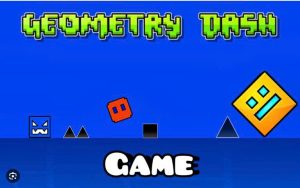
There’s something quietly hypnotic about a little cube that just won’t stop moving.
Playing Geometry Dash is straightforward. Your character moves forward on its own, and you tap or click to jump. Some levels include other forms, such as flying ships or rolling balls, which change how you interact with the stage. The idea remains the same: avoid obstacles and survive to the end.
What makes the game memorable is how it links movement with music. The levels are often built around the soundtrack, so the rhythm gives you clues about when to act. You do not always need to count beats exactly, but the music helps build a natural sense of timing. After a while, you may find yourself jumping almost instinctively in sync with the sound.
The early levels are designed to teach the basics. They introduce jumps, gaps, spikes, and changes in speed in a way that feels manageable. Later levels become much harder and demand stronger memory and sharper reflexes. That progression is part of the appeal: you start with small wins, then slowly learn how to handle longer and more complex sequences.
Another enjoyable feature is replaying levels. In some games, repeating the same stage can feel dull, but here it often feels useful. Every attempt teaches you a little more about the layout. You begin to recognize patterns, understand timing windows, and notice which parts need more care. Even when you fail many times, the learning process stays clear and fair.
Geometry Dash also invites players to experience a sense of flow. When you are doing well, the game becomes almost meditative. You stop thinking about individual jumps and begin following the rhythm naturally. That feeling is one of the reasons players keep coming back. It is challenging, but it can also be strangely relaxing once you settle into it.
Practical Tips for Finding Your Groove to Geometry Dash
A good way to start is to focus on rhythm rather than speed. Many new players try to react only with their eyes, but listening to the music can help more than you expect. The soundtrack often supports the timing of the level, so treating it like a guide can make difficult sections easier.
It also helps to stay calm after mistakes. Geometry Dash is built around repetition, so failure is part of the process. Instead of getting frustrated, try to think of each attempt as a short lesson. If you keep missing one jump, pause and pay attention to the spacing before that obstacle. Small adjustments often matter more than big changes.
Practice mode is another useful tool. It lets you work on difficult sections without restarting from the beginning every time. This can make hard levels feel less overwhelming and help you build confidence step by step. Once you understand a section well, you can return to the full level and handle it more comfortably.
If you are exploring custom or harder stages, it is smart to begin with levels that match your current skill. Jumping too quickly into extreme difficulty can make the game feel discouraging. A smoother path is usually better: learn the basics, clear easier levels, then move upward gradually. That way, improvement feels steady instead of stressful.
It is also worth keeping your sessions short when you feel tired. Since the game depends on timing and attention, fatigue can make even simple sections harder. A short break can often improve your performance more than forcing another dozen attempts. Sometimes stepping away for a few minutes gives you a fresher view when you return.
Finally, remember that part of the fun is personal progress. Not every player needs to chase the hardest challenges right away. Some people enjoy building skill slowly, others like the music, and others just like the feeling of surviving a tricky section. There is no single correct way to enjoy it.
Conclusion Geometry Dash: The Journey Is the Destination
Geometry Dash is a small Game with a lot of energy. It takes a basic idea—jumping over obstacles—and turns it into something rhythmic, tense, and rewarding. The controls are simple, but the challenge grows in a way that keeps you engaged. Whether you are trying your first level or returning after a break, the game offers a clear mix of focus, music, and satisfaction.
If you want a jump-based game that feels easy to understand but hard to master, Geometry Dash is a strong choice. It does not need complicated mechanics to be interesting . Its charm comes from timing, repetition, and that small rush you get when everything finally clicks.