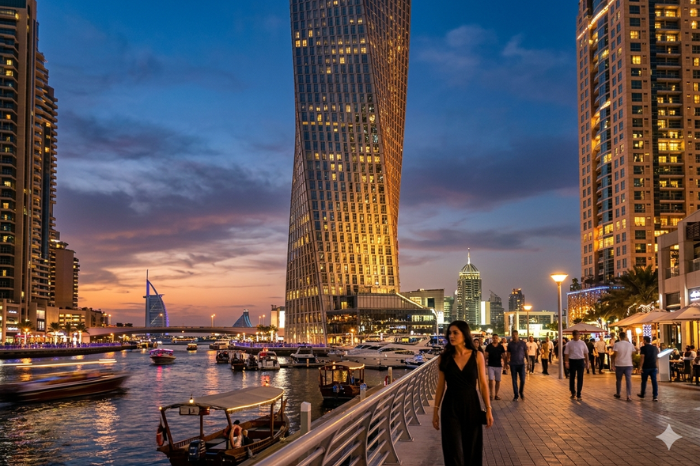
This article is published on behalf of SMILEBOX, presenting insights into how Dubai is transforming modern architecture through advanced glass facade systems. Dubai is globally recognized for its futuristic skyline, luxury developments, and innovative construction trends. Among these, the glass facade Dubai concept has become one of the most important architectural elements in shaping the city’s modern identity.
Glass facades are now a standard feature in commercial towers, luxury hotels, shopping malls, and high-end residential buildings across the UAE. They represent a perfect blend of beauty, functionality, and performance, making them a key component in modern construction.
What is a Glass Facade?
A glass facade refers to the external covering or “skin” of a building made primarily from glass panels. These panels are supported by structural systems such as aluminum frames, steel structures, or advanced glazing systems.
Unlike traditional concrete or brick exteriors, glass facades offer a transparent and elegant appearance that enhances architectural design while maintaining structural safety.
Key Functions of Glass Facades:
- Protect the building from external weather conditions
- Allow natural daylight into interior spaces
- Improve thermal and acoustic insulation
- Enhance building aesthetics
- Support modern architectural design concepts
Importance of Glass Facade Dubai in Modern Construction
The demand for glass facade Dubai solutions has increased significantly due to rapid urban development and evolving architectural trends in the region.
Dubai’s construction industry prioritizes innovation, sustainability, and luxury, and glass facades perfectly align with these goals.
1. Architectural Luxury and Modern Appeal
Glass facades give buildings a premium, high-end appearance. In Dubai’s competitive real estate market, visual identity plays a major role in property value and brand recognition.
2. Maximum Natural Light
One of the biggest advantages of glass facades is their ability to allow natural sunlight into interior spaces, creating bright and welcoming environments.
3. Energy Efficiency and Sustainability
Modern glass technology, including low-emissivity (Low-E) coatings and double glazing, helps regulate indoor temperature. This reduces energy consumption and supports sustainable building practices.
4. Panoramic City Views
Glass facades are especially popular in high-rise buildings because they offer uninterrupted views of Dubai’s skyline, sea, and desert landscapes.
5. Durability in Harsh Climate
Engineered glass systems are designed to withstand Dubai’s extreme heat, UV exposure, and wind loads while maintaining structural integrity.
Types of Glass Facade Systems Used in Dubai
Curtain Wall System
One of the most widely used systems in commercial skyscrapers. It consists of lightweight aluminum framing with glass panels attached externally.
Features:
- Non-load bearing system
- Ideal for high-rise buildings
- Strong resistance to weather conditions
Structural Glazing System
This system minimizes visible framing, creating a smooth and seamless glass surface.
Features:
- Frameless appearance
- Premium aesthetic design
- Strong bonding adhesives used
Spider Glass Facade System
This system uses stainless steel spider fittings to support glass panels.
Features:
- Highly transparent design
- Modern and elegant look
- Commonly used in entrances and lobbies
Double Skin Facade System
A high-performance system with two layers of glass separated by an air gap.
Features:
- Improved thermal insulation
- Better soundproofing
- Energy-efficient design
Unitized Glass Facade System
Prefabricated glass panels manufactured off-site and installed as complete units.
Features:
- Fast installation
- High precision manufacturing
- Suitable for large projects
Applications of Glass Facade Dubai Systems
Glass facades are widely used across multiple sectors in Dubai’s construction industry:
- Commercial office buildings
- Luxury hotels and resorts
- Shopping malls and retail centers
- High-rise residential towers
- Airports and transportation hubs
- Institutional and government buildings
Benefits of Glass Facade Systems
Installing glass facades offers several long-term advantages:
1. Enhanced Property Value
Buildings with glass facades are considered premium properties and often have higher market value.
2. Improved Aesthetic Appeal
Glass facades create a clean, modern, and luxurious appearance that aligns with Dubai’s architectural identity.
3. Energy Savings
Advanced glass technology reduces cooling and lighting costs, making buildings more energy efficient.
4. Structural Strength
High-quality glass systems are engineered to withstand extreme environmental conditions.
5. Branding and Identity
For commercial properties, glass facades enhance corporate identity and professional image.
Glass Facade Installation Process in Dubai
Step 1: Design and Engineering
Architects and engineers develop detailed facade designs based on building structure and requirements.
Step 2: Material Selection
Tempered or laminated safety glass is selected along with aluminum or steel framing systems.
Step 3: Fabrication
Glass panels are cut, treated, and prepared according to precise measurements.
Step 4: Installation
Specialized technicians install panels using advanced tools and safety systems.
Step 5: Sealing and Finishing
Proper sealing ensures insulation, waterproofing, and long-term durability.
Maintenance of Glass Facades
Regular maintenance is essential to maintain clarity and performance, especially in Dubai’s dusty and hot climate.
Maintenance activities include:
- Regular glass cleaning
- Inspection of seals and joints
- Structural checks
- Professional facade washing services
Choosing the Right Glass Facade Contractor in Dubai
Key factors include:
- Experience in large-scale facade projects
- Use of certified materials
- Skilled installation team
- Compliance with UAE safety regulations
- Strong project portfolio
- Technical expertise in custom designs
Industry Trends in Glass Facade Dubai
- Smart glass technology (tint control and automation)
- Energy-efficient glazing systems
- Eco-friendly building materials
- Integrated solar glass solutions
- Advanced structural engineering techniques
Future of Glass Facades in Dubai
Future developments will likely include:
- AI-controlled smart glass systems
- Self-cleaning glass surfaces
- Energy-generating facades
- Advanced thermal regulation technologies
Conclusion
The rise of glass facade Dubai architecture reflects the city’s vision of innovation, luxury, and sustainability. Glass facades are more than just an aesthetic feature—they are an essential part of modern construction that improves energy efficiency, enhances design, and increases property value.
With advanced engineering and professional installation, glass facades will continue to define Dubai’s iconic skyline for years to come.
FAQs – Glass Facade Dubai
1. What is a glass facade used for?
A glass facade is used as the outer building envelope to enhance aesthetics, provide natural lighting, and improve energy efficiency.
2. Is glass facade suitable for Dubai’s climate?
Yes, modern glass facades are designed to withstand extreme heat, UV rays, and strong winds in Dubai.
3. What type of glass is used in facades?
Tempered and laminated safety glass are commonly used due to their strength and durability.
4. How long does a glass facade last?
With proper maintenance, a glass facade can last 20–30 years or more.
5. Is glass facade energy efficient?
Yes, advanced glazing systems reduce heat gain and improve insulation, making buildings more energy efficient.
6. What is the cost of glass facade installation in Dubai?
Cost depends on design complexity, glass type, building size, and facade system used.