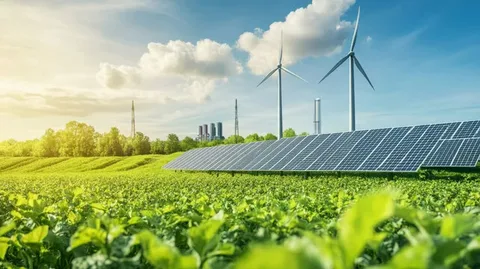
The rapid expansion of renewable energy technologies is transforming industries worldwide. At the heart of this transformation lies green energy manufacturing, a sustainable approach to producing components and systems used in solar, wind, hydro, and battery technologies. By reducing emissions, conserving resources, and implementing efficient production methods, manufacturers are helping accelerate the global shift toward clean energy.
As governments and businesses pursue carbon reduction goals, the demand for environmentally responsible manufacturing continues to grow. Green energy manufacturing not only supports renewable energy development but also creates more sustainable supply chains and economic opportunities. From sourcing raw materials to recycling finished products, every stage of manufacturing contributes to a cleaner and more resilient future.
Sustainable Raw Material Sourcing in Green Energy Manufacturing
One of the first and most important steps in green energy manufacturing is selecting sustainable raw materials. Renewable energy systems require metals, polymers, semiconductors, and composites, and sourcing these materials responsibly helps minimize environmental impact. Manufacturers are increasingly prioritizing recycled content, ethically mined minerals, and locally sourced materials to reduce transportation emissions.
Responsible sourcing also ensures compliance with environmental and social standards. This is particularly important for materials such as lithium, cobalt, and rare earth elements used in batteries and wind turbines. By partnering with certified suppliers and improving traceability, manufacturers can maintain both sustainability and quality throughout the supply chain.
Key Sustainable Sourcing Practices
- Using recycled aluminum, steel, and copper
- Procuring conflict-free and ethically mined minerals
- Reducing transportation through local sourcing
- Verifying supplier sustainability certifications
- Implementing material traceability systems
Sustainable sourcing lowers production costs over time by reducing dependence on virgin materials. It also enhances brand reputation and helps manufacturers meet increasingly strict regulations and customer expectations.
Energy-Efficient Production Techniques
A defining feature of green energy manufacturing is the use of energy-efficient production methods. Modern factories rely on automation, smart sensors, and advanced process controls to minimize waste and reduce electricity consumption. Equipment is optimized to use only the energy required for each production step.
Many manufacturers also power their facilities with renewable energy sources such as solar panels, wind turbines, or green electricity from utility providers. This reduces the carbon footprint of the manufacturing process and aligns production practices with the environmental benefits of the products being made.
Energy-Saving Manufacturing Strategies
- Installing high-efficiency motors and compressors
- Using LED lighting and smart HVAC systems
- Monitoring production through IoT sensors
- Scheduling operations during low-energy demand periods
- Integrating onsite renewable energy systems
By lowering energy consumption, manufacturers reduce operational costs while improving sustainability. These efficiencies are particularly valuable in energy-intensive sectors such as battery, semiconductor, and metal fabrication.
Waste Reduction and Circular Manufacturing
Waste reduction is central to successful green energy manufacturing. Manufacturers are adopting circular economy principles to reuse materials, recycle scrap, and design products for easier end-of-life recovery. This approach reduces landfill waste and conserves valuable resources.
Production scrap from metals, plastics, and semiconductors can often be reintegrated into the manufacturing process. Water used in cleaning and cooling operations is also increasingly treated and reused, lowering both water consumption and disposal costs.
Circular Economy Practices
- Recycling metal shavings and offcuts
- Reusing process water
- Designing products for disassembly
- Recovering valuable materials from retired equipment
- Reducing packaging waste
Circular manufacturing creates a closed-loop system where fewer resources are wasted. This not only improves environmental performance but also strengthens supply chain resilience and profitability.
Precision Manufacturing for Renewable Energy Components
Renewable energy systems require components manufactured to extremely tight tolerances. Solar cells, wind turbine bearings, battery housings, and hydrogen fuel cell parts must meet strict quality standards to ensure performance and reliability. Green energy manufacturing combines precision engineering with sustainable production methods to achieve these requirements.
Advanced technologies such as CNC machining, laser cutting, additive manufacturing, and robotic assembly enable manufacturers to produce complex parts with minimal material waste. Digital simulations and quality inspections further improve efficiency by reducing errors and scrap.
Technologies Used in Precision Manufacturing
- CNC machining for metal and composite parts
- Laser cutting for accurate material processing
- 3D printing for rapid prototyping
- Robotic assembly for consistency
- Coordinate measuring systems for inspection
Precision manufacturing enhances product durability and energy efficiency, helping renewable systems operate effectively for decades under demanding conditions.
Quality Control and Environmental Certification
Strict quality control ensures that products manufactured through green energy manufacturing meet both technical and environmental standards. Manufacturers use testing, inspections, and statistical process controls to detect defects early and maintain consistent performance.
Environmental certifications such as ISO 14001 and ISO 9001 demonstrate a commitment to sustainability and quality management. Additional product certifications may be required for solar panels, batteries, and wind turbine components depending on market regulations.
Essential Quality and Certification Measures
- In-process and final product testing
- Statistical process control
- Supplier audits and material verification
- ISO 14001 environmental management
- ISO 9001 quality management
Certification provides customers with confidence that products are manufactured responsibly and will perform reliably in renewable energy applications.
Conclusion
Green energy manufacturing is a critical driver of renewable energy growth. By responsibly sourcing materials, improving energy efficiency, reducing waste, using precision technologies, and maintaining strict quality standards, manufacturers can produce sustainable components that support solar, wind, battery, and hydrogen systems.
As global demand for clean energy continues to rise, the role of green energy manufacturing will become even more important. Companies that invest in environmentally responsible production processes will not only reduce their carbon footprint but also strengthen competitiveness and contribute to a more sustainable future for generations to come.