

As the global demand for clean and sustainable energy continues to grow, utility-scale solar farms have become a cornerstone of modern power generation. These large-scale installations are designed to produce significant amounts of electricity, often supplying power directly to the grid. Behind every successful solar project lies a complex and carefully executed process known as solar farm engineering.
Utility-scale solar farm engineering goes far beyond simply installing solar panels. It involves a combination of electrical, civil, and environmental expertise to ensure optimal performance, long-term reliability, and seamless integration with existing power infrastructure. From site selection to grid connection, every phase requires precision and strategic planning.
This guide explores the essential aspects of engineering utility-scale solar farms, providing a comprehensive understanding of how these projects are designed, developed, and optimized for maximum efficiency.
Understanding Utility-Scale Solar Farms
Utility-scale solar farms are large photovoltaic (PV) systems that typically generate power in the megawatt range. Unlike residential or commercial solar installations, these projects are built to supply electricity to utility companies or large consumers through transmission networks.
The engineering process for such systems focuses on scalability, efficiency, and reliability. Engineers must consider factors such as land availability, solar irradiance, environmental conditions, and grid accessibility. The goal is to create a system that not only produces high energy output but also operates efficiently over its entire lifespan.
In solar farm engineering, each component—from panels to inverters and transformers—must be carefully selected and configured to work as a cohesive system. This ensures stable power generation and minimizes operational risks.
Site Selection and Feasibility Analysis
One of the most critical steps in solar farm engineering is selecting the right location. The success of a utility-scale solar project largely depends on the site’s characteristics and its suitability for energy production.
Engineers begin by analyzing solar irradiance levels to determine how much sunlight the site receives throughout the year. Areas with high and consistent solar exposure are ideal for maximizing energy output. In addition, land topography plays a significant role. Flat or gently sloping terrain reduces construction complexity and costs.
Environmental considerations are also essential. Engineers must assess potential impacts on local ecosystems, water resources, and wildlife. Regulatory compliance and permitting requirements vary by region, making it important to conduct thorough feasibility studies early in the process.
Accessibility to existing grid infrastructure is another key factor. Sites located near transmission lines or substations reduce the cost and complexity of grid interconnection, making the project more economically viable.
System Design and Layout Optimization
After selecting a suitable site, the next phase involves detailed system design. This includes determining the optimal arrangement of solar panels, selecting equipment, and configuring electrical systems for maximum performance.
Panel orientation and tilt angle are carefully calculated to capture the highest possible solar energy. Engineers often use advanced modeling tools to simulate different configurations and identify the most efficient layout. In large-scale projects, even minor improvements in design can lead to significant increases in energy production.
The choice between fixed-tilt systems and tracking systems is another important consideration. Fixed-tilt systems are simpler and more cost-effective, while single-axis or dual-axis trackers can significantly increase energy yield by following the sun’s movement throughout the day.
Electrical design is equally crucial in solar farm engineering. This includes string sizing, inverter selection, and cable routing. Engineers must ensure that power losses are minimized while maintaining system reliability. Proper grounding, protection systems, and compliance with electrical standards are also integral to the design process.
Grid Integration and Power System Studies
Integrating a utility-scale solar farm into the electrical grid is a complex task that requires careful planning and analysis. Engineers must ensure that the generated power can be transmitted efficiently without causing instability or disruptions in the grid.
This is where detailed power system studies come into play. These studies evaluate factors such as load flow, fault levels, voltage stability, and harmonic distortion. By analyzing these parameters, engineers can design systems that operate safely and reliably within the grid.
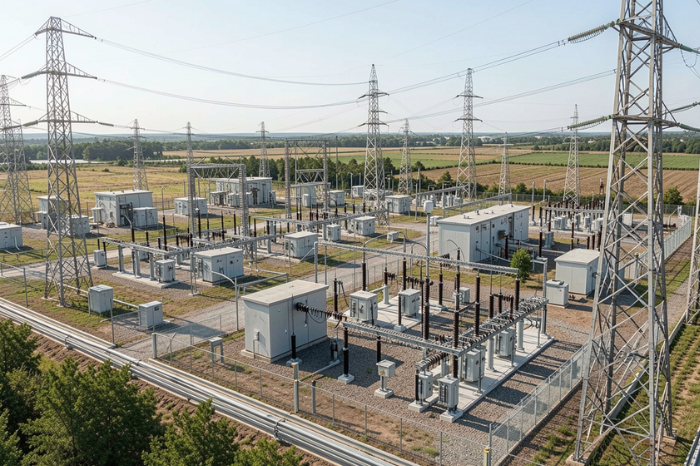
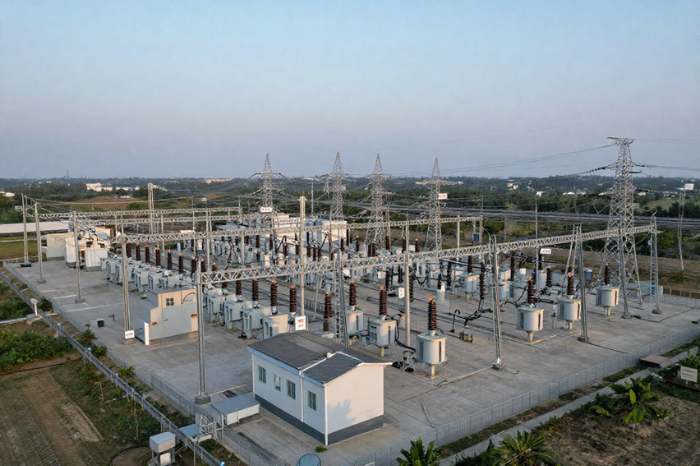
Grid interconnection also involves designing substations, transformers, and transmission lines. The solar farm must meet the technical requirements set by grid operators, including voltage levels, frequency control, and protection schemes.
In modern solar farm engineering, advanced technologies such as smart inverters and energy management systems are increasingly used to enhance grid compatibility. These solutions help maintain stability and improve overall system performance, especially in regions with high renewable energy penetration.
Construction and Project Execution
Once the design is finalized, the construction phase begins. This stage involves coordinating multiple disciplines, including civil engineering, electrical installation, and mechanical assembly.
Site preparation is the first step, which may include land clearing, grading, and foundation installation. Mounting structures are then installed to support the solar panels, followed by the placement of PV modules.
Electrical installation involves connecting panels to inverters, laying cables, and setting up transformers and substations. Precision and quality control are essential during this phase to ensure long-term reliability and safety.
Project management plays a crucial role in successful execution. Engineers must coordinate timelines, manage resources, and address any challenges that arise during construction. Efficient planning and execution help minimize delays and keep the project within budget.
Operation, Maintenance, and Performance Optimization
The work of solar farm engineering does not end after construction. Operation and maintenance (O&M) are critical to ensuring the long-term success of the project.
Regular inspections and preventive maintenance help identify and resolve issues before they impact performance. This includes cleaning solar panels, checking electrical connections, and monitoring system components.
Performance monitoring systems provide real-time data on energy production, allowing operators to detect inefficiencies and optimize output. Advanced analytics and predictive maintenance techniques are increasingly used to enhance system performance and reduce downtime.
Engineers also focus on improving efficiency over time. This may involve upgrading components, optimizing system configurations, or integrating energy storage solutions. Battery storage systems, for example, enable solar farms to store excess energy and deliver power during periods of low sunlight.
By continuously monitoring and optimizing performance, solar farm operators can maximize return on investment and ensure reliable energy generation for years to come.
Challenges and Future Trends in Solar Farm Engineering
Despite its many advantages, utility-scale solar farm engineering comes with its own set of challenges. Land acquisition, regulatory approvals, and environmental concerns can complicate project development. Additionally, integrating large amounts of solar power into the grid requires careful management to maintain stability.
Weather conditions and natural factors can also impact performance. Dust, shading, and temperature variations affect energy output, making it important to design systems that can adapt to changing conditions.
Looking ahead, the future of solar farm engineering is promising. Technological advancements are driving improvements in efficiency, reliability, and cost-effectiveness. Innovations such as bifacial panels, advanced tracking systems, and AI-driven analytics are transforming how solar farms are designed and operated.
Hybrid systems that combine solar power with energy storage or other renewable sources are also gaining popularity. These solutions provide greater flexibility and help address the intermittent nature of solar energy.
As the renewable energy sector continues to evolve, solar farm engineering will play a vital role in shaping a sustainable and resilient energy future.
Conclusion
Utility-scale solar farm engineering is a multidisciplinary field that requires expertise, precision, and innovation. From site selection and system design to grid integration and ongoing maintenance, every phase of the process contributes to the success of the project.
By leveraging advanced technologies and best practices, engineers can design solar farms that deliver high performance, reliability, and long-term value. As the demand for clean energy continues to grow, the importance of efficient and well-executed solar farm engineering cannot be overstated.
For businesses and utilities looking to invest in renewable energy, partnering with experienced engineering professionals is key to achieving successful outcomes. With the right approach, utility-scale solar farms can provide a sustainable and cost-effective solution for meeting the world’s energy needs.



















Leave a Reply