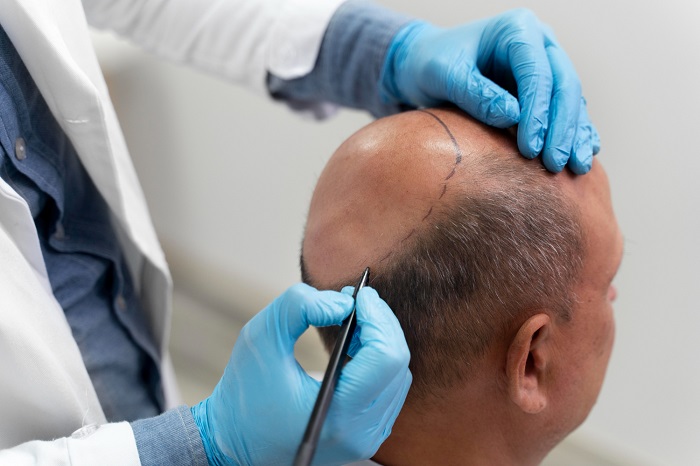
Hair loss can affect appearance, confidence, and everyday life. For people considering hair transplant surgery in Islamabad, choosing the right clinic is one of the most important decisions to make. A successful transplant is not simply about moving hair follicles from one area to another; it requires careful assessment, appropriate treatment planning, precise graft handling, and realistic expectations. The clinic and surgeon you choose can significantly influence the natural appearance and long-term outcome of your hair restoration.
Why Choosing the Right Hair Transplant Clinic Matters
Hair transplantation is a medical procedure that requires specialized knowledge of scalp anatomy, hair growth patterns, donor-hair limitations, and facial aesthetics. A reputable clinic should assess your individual condition rather than recommend the same technique or graft number to every patient.
Before booking surgery, consider:
- The surgeon’s medical qualifications and hair-restoration experience
- The clinic’s hygiene and surgical safety standards
- Whether the donor area is properly evaluated
- How the hairline is designed
- Whether realistic results are explained
- The availability of post-operative follow-up
- Genuine before-and-after patient results
Professional hair-restoration guidelines emphasize that consultation, diagnosis, surgical planning, donor harvesting, hairline design, recipient-site creation, and post-operative care should be appropriately managed by qualified medical professionals.
Understand the Hair Transplant Techniques
Different patients may require different approaches. The most commonly discussed techniques include FUE, FUT, and DHI.
FUE (Follicular Unit Extraction) involves extracting individual follicular units from the donor area before placing them into thinning or bald regions. It is commonly selected because it avoids the linear scar associated with strip harvesting.
FUT (Follicular Unit Transplantation) involves removing a strip of scalp containing hair follicles and separating it into individual grafts. It can be appropriate in selected cases, depending on donor characteristics and the treatment plan.
DHI (Direct Hair Implantation) is an implantation approach in which follicles are placed using specialized implantation instruments. Whether it is appropriate depends on factors such as hair-loss pattern, donor density, and the patient’s goals.
A qualified surgeon should recommend a technique based on your scalp examination—not simply because one method is advertised as the newest or best.
Evaluate the Surgeon’s Expertise
The surgeon’s experience should be one of your highest priorities. Hair restoration combines medical expertise with aesthetic judgment because the transplanted hair must follow natural growth direction and complement the patient’s facial proportions.
During your consultation, ask:
- Who will perform the extraction and implantation?
- How many hair-transplant procedures have they performed?
- How will my hairline be designed?
- How many grafts do I realistically need?
- What limitations does my donor area have?
- What results should I reasonably expect?
Be cautious about clinics where the procedure is presented as a guaranteed transformation. Hair growth varies between individuals, and no responsible provider should promise identical results for every patient.
Check the Clinic’s Safety and Facilities
A professional hair transplant clinic should maintain appropriate standards for infection prevention, sterilization, patient monitoring, emergency preparedness, and surgical care.
The clinic should also provide clear instructions before and after treatment. Good aftercare may include guidance about washing the scalp, physical activity, sleeping position, medications, and follow-up appointments.
Remember that a lower price does not necessarily mean better value. An improperly performed transplant can result in poor graft survival, unnatural hairlines, excessive scarring, infection, or the need for corrective treatment.
Look at Realistic Before-and-After Results
Before-and-after photographs can help you evaluate a clinic, but they should be interpreted carefully. Look for images showing patients with similar levels and patterns of hair loss.
Ideally, examine:
- Hairline design
- Crown coverage
- Hair density
- Donor-area appearance
- Hair direction and distribution
- Results after sufficient healing time
Ask whether photographs represent the clinic’s actual patients and whether lighting, angles, and styling are consistent.
Consider Consultation and Personalized Planning
A good consultation should feel like an evaluation rather than a sales appointment. The surgeon should examine your donor and recipient areas, discuss your medical and hair-loss history, understand your expectations, and explain possible treatment options.
Not everyone experiencing hair loss is automatically an ideal transplant candidate. Donor-hair availability, pattern and progression of hair loss, scalp health, general health, and expectations all need to be considered.
You may also be advised to manage ongoing hair loss medically before or alongside transplantation. This can help protect existing non-transplanted hair.
Hair Transplant Clinic in Islamabad
For patients comparing providers, SKN Cosmetics in Islamabad offers hair restoration services including FUE-based hair transplantation. Its published treatment information describes individualized assessment of donor and recipient areas, hairline planning, graft estimation, and post-procedure care.
When considering SKN Cosmetics or any other clinic, patients should still have a direct consultation with the treating medical professional to determine whether transplantation is appropriate for their specific hair-loss pattern and what results are realistically achievable.
What to Expect After Hair Transplant Surgery
Recovery is gradual rather than immediate. Mild redness, swelling, or scabbing can occur during the early healing period. Transplanted hairs may temporarily shed after surgery, which can be a normal part of the hair-growth cycle. New growth generally becomes noticeable over the following months, with fuller results developing gradually.
Patience is therefore essential. The final appearance cannot be judged immediately after surgery.
Frequently Asked Questions
Is hair transplant surgery permanent?
Transplanted follicles can provide long-lasting hair growth, but existing non-transplanted hair may continue to thin.
Which hair transplant technique is best?
There is no single best technique for everyone. The appropriate method depends on your donor area, hair loss, and treatment goals.
How long does hair transplant recovery take?
Initial healing occurs within days to weeks, while visible hair growth develops gradually over several months.
Can women have hair transplant surgery?
Yes. Selected women with suitable hair-loss patterns and adequate donor hair may be candidates.
How do I choose a hair transplant clinic in Islamabad?
Check surgeon qualifications, experience, safety standards, genuine results, consultation quality, and aftercare rather than choosing based only on price.
Choosing the right hair transplant clinic is about more than finding an affordable package. Look for qualified medical expertise, individualized planning, safe facilities, realistic expectations, and long-term follow-up. A careful consultation is the best starting point for deciding whether hair transplantation is suitable for you.