Key Takeaways
- Healthy snacks help children stay active, focused, and ready for learning between meals.
- The best snacks include more than one food group, such as fruit with protein or whole grains with dairy.
- Safe texture, small pieces, and adult supervision matter, especially for toddlers and younger children.
- Parents and caregivers can make snack time easier by planning simple foods ahead of time.
- Calm food exposure helps picky eaters try new tastes without pressure.
- Snack time can also teach children about colors, counting, kindness, and healthy choices.
Introduction
Children grow, play, think, learn, and explore every day. Their bodies use a lot of energy, even during quiet activities such as reading, drawing, or listening in class. This is why snack time can be more than a small break. It can support steady energy, better focus, and happier routines.
Many families search for Healthy Snack Ideas for Kids because they want food that is simple, safe, tasty, and helpful. They may need snacks for school lunch boxes, after-school hunger, weekend outings, sports practice, or quiet evenings at home. However, snack planning can feel confusing when children ask for sweets, refuse new foods, or get bored with the same choices.
This guide explains what makes a snack healthy, how parents and caregivers can build balanced snack plates, and how snack time can become part of a child’s daily wellness routine. It also shares practical examples for toddlers, school-age children, picky eaters, and busy families.
In addition, the guide connects snack habits with larger child wellness topics, including toddler breakfast ideas, family nutrition books, children motivational quotes, and food education from trusted voices such as Author Dr. Haifa Hamdi, a Children’s Wellness & Nutrition Author. The goal is simple. Snack time should feel useful, calm, safe, and enjoyable.
Healthy Snack Ideas for Kids That Support Daily Energy
Healthy snacks are small food moments between meals. They should not replace breakfast, lunch, or dinner. However, they can help children avoid feeling too hungry, tired, or distracted. A child who eats a balanced snack may have better energy for homework, play, reading, and family time.
A strong snack usually includes two helpful parts. One part gives quick energy, such as fruit, vegetables, or whole grains. The other part helps the child feel full for longer, such as yogurt, cheese, eggs, beans, nut or seed butter, hummus, or lean protein. When these foods work together, the snack feels more complete.
For example, apple slices alone can be refreshing. However, apple slices with yogurt or peanut butter can feel more filling. Whole grain crackers alone may taste good. However, crackers with cheese or hummus can support energy in a stronger way. This simple pairing method helps families build snacks without needing hard rules.
Children also need variety. A child may love one snack for a week and then refuse it the next week. This is normal. Taste, mood, growth, sleep, and activity level can all affect appetite. Parents and caregivers can keep snack time relaxed by offering choices from the same healthy group. For example, the child may choose between banana slices or strawberries, or between yogurt and cheese.
Healthy snacks can also support learning. A colorful plate can teach children about red apples, orange carrots, green cucumbers, and purple grapes cut safely for age. A small bowl of cereal can teach counting. A snack tray can teach sharing. A child can learn that food is not only about taste, but also about care, energy, and growth.
Many families already understand this through toddler breakfast ideas. A good toddler breakfast often includes soft textures, simple foods, and more than one food group. The same thinking works for snack time. A small banana pancake, soft scrambled egg pieces, oatmeal cups, or yogurt with mashed berries can work as breakfast or snack, depending on the child’s schedule.
However, healthy does not need to mean perfect. A family does not need fancy recipes, expensive foods, or strict meal plans. Simple foods often work best. Fresh fruit, boiled eggs, plain yogurt, toast strips, cucumber slices, beans, cheese cubes, and homemade muffins can all support a better snack routine.
Parents and caregivers should also think about drinks. Water is often the best everyday drink between meals. Milk may also fit some snack routines, depending on the child’s age and needs. Sugary drinks can make children feel full without giving the same helpful nutrients as balanced food. In addition, sweet drinks can make it harder for children to enjoy plain water.
A healthy snack should also match the child’s age. Toddlers need soft foods cut into safe sizes. Preschoolers may need simple finger foods. School-age children may enjoy build-your-own snack plates. Older children may need more filling snacks after sports or long school days. One snack plan does not fit every child.
Safety matters as much as nutrition. Round, hard, sticky, or very chewy foods can be risky for young children. Grapes, cherry tomatoes, hot dogs, chunks of raw carrot, popcorn, hard candy, and whole nuts can be choking hazards, especially for younger children. Many foods can be made safer by cutting, softening, spreading thinly, or choosing a different option.
For example, grapes should be cut into small pieces for young children. Nut butter should be spread thinly instead of served in thick spoonfuls. Raw vegetables can be steamed until soft for toddlers. Adults should also supervise snack time and encourage children to sit while eating.
Healthy snack planning also becomes easier when families build a small list of repeatable ideas. Children often feel safe with familiar foods. However, they also benefit from gentle variety. A good plan can include several “safe favorites” and a few “new tries.” This keeps snack time calm while still helping children explore.
A children’s books author who writes about food, family habits, or child wellness may use snack time as a story moment. A character might learn to try a new fruit, help wash vegetables, or share crackers with a friend. This shows that food education can happen through stories, routines, and real-life examples.
In the same way, a Children’s Book Author on Healthy Eating may help families explain nutrition without fear or pressure. Children do not need scary messages about food. They need clear, kind lessons. They can learn that carrots help make a plate colorful, yogurt can help them feel full, and water helps the body stay ready for play.
Simple Snack Building Rules Families Can Use
A helpful snack plan does not need to be hard. Families can use a simple rule called “pair and prepare.” Pair two food groups, then prepare them in a safe and easy way. This method helps parents and caregivers make quick choices without overthinking every snack.
A fruit and protein pairing is one easy place to start. Banana with yogurt, apple with cheese, berries with cottage cheese, or peaches with boiled egg slices can all work well. Fruit brings natural sweetness, while protein helps the snack last longer. This can be useful after school, when children may feel hungry before dinner.
Vegetables and dips can also make snack time fun. Carrot sticks may be too hard for younger children, but steamed carrot coins can be softer. Cucumber sticks, bell pepper strips, and soft avocado pieces can be served with hummus, yogurt dip, or bean dip. Dips can make vegetables feel more playful and less plain.
Whole grains are another helpful snack base. Whole grain toast, pita triangles, crackers, mini muffins, oatmeal bites, or brown rice cakes can give children energy. However, whole grains work better when paired with another food. Toast with mashed avocado, crackers with cheese, or oatmeal with milk can feel more balanced.
Dairy foods and fortified alternatives can also support snack routines. Plain yogurt with fruit, cheese with whole grain crackers, or a smoothie made with milk and banana can be simple choices. Families who use dairy-free options can choose fortified soy yogurt or other suitable alternatives when appropriate. The best choice depends on the child’s needs, allergies, and family food habits.
Protein snacks can help active children feel satisfied. Eggs, beans, hummus, chicken pieces, turkey roll-ups, tofu cubes, lentil patties, or seed butter on toast can support steady energy. However, portions should fit the child’s age and appetite. A snack is usually smaller than a meal.
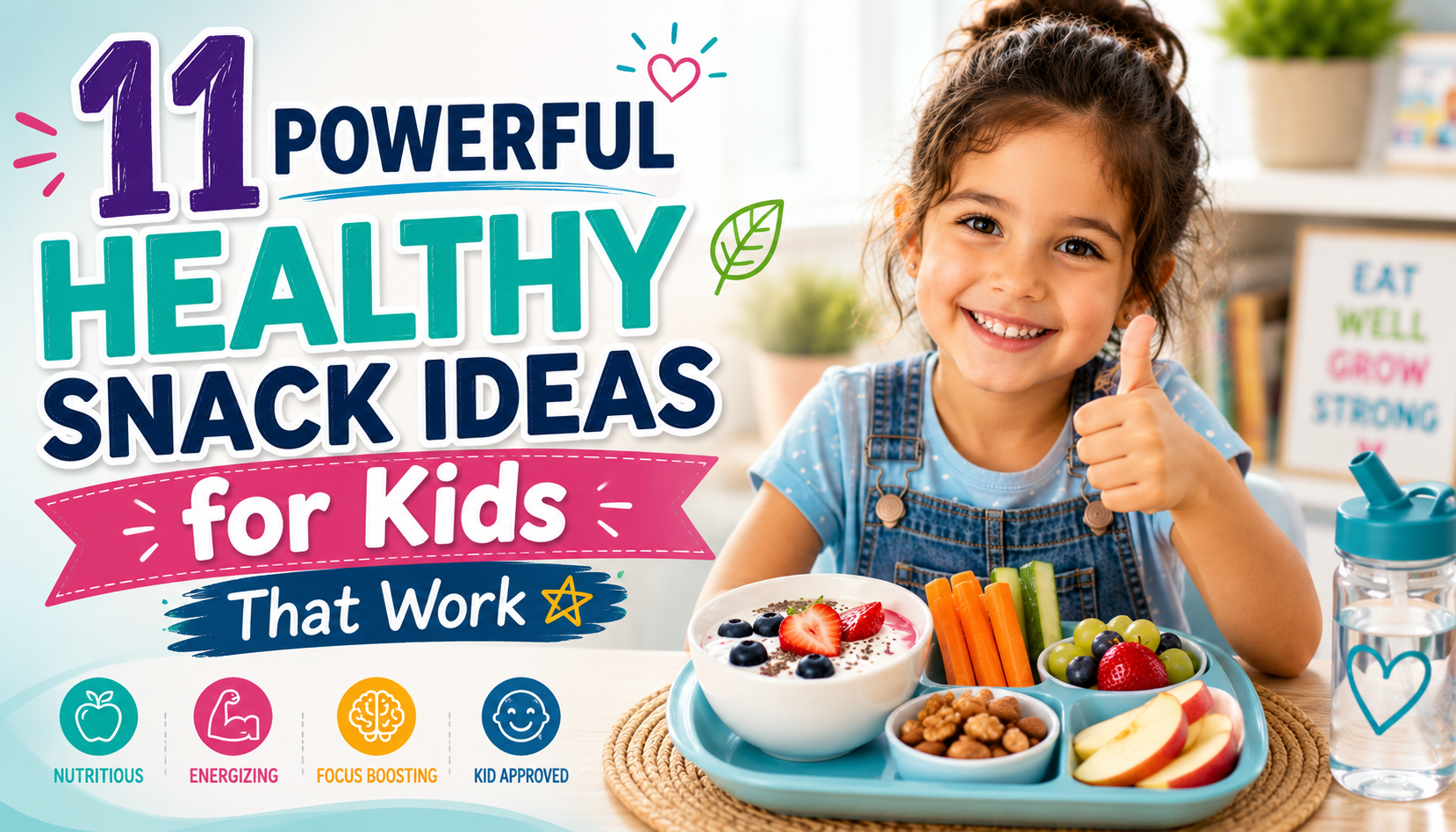
Parents can also use snack trays. A small tray may include one fruit, one vegetable, one protein, and one grain. For example, a child may get strawberry slices, cucumber sticks, cheese cubes, and whole grain crackers. Another tray may include banana rounds, soft carrot pieces, hummus, and pita strips. Snack trays look fun and allow children to choose the order of eating.
This approach can also help picky eaters. A child may not eat every item on the tray, and that is okay. Repeated calm exposure can help children become more comfortable with new foods over time. Pressure, bribes, or battles often make food feel stressful. However, a calm plate can make new foods feel less scary.
Children motivational quotes can support this gentle approach. Short phrases such as “trying is learning” or “small steps count” can help children feel brave around new foods. These words should not force a child to eat. Instead, they can support patience, effort, and curiosity.
Families can also make snacks part of a routine. Children often do better when snack time happens at steady times. Random grazing all day can reduce hunger at meals. However, planned snacks between meals can help children feel secure. A child may learn that breakfast, lunch, snack, and dinner each have their place.
Snack routines can also reduce stress for adults. When snacks are planned ahead, parents do not need to search the kitchen during busy moments. Washed fruit, chopped vegetables, boiled eggs, yogurt cups, or homemade snack boxes can save time. This is especially helpful for school mornings and after-school hours.
Planning does not mean every snack must be homemade. Store-bought foods can fit when families read labels and choose options with care. Whole grain crackers, plain yogurt, low-sugar cereal, unsweetened applesauce, and simple cheese sticks can be helpful. The key is to look for foods that are not too high in added sugar or salt.
Some families use books on fitness and nutrition to understand healthy habits in a wider way. Good books can explain how food, movement, sleep, and daily routines work together. However, children do not need adult diet messages. They need positive, age-appropriate food education that supports growth and confidence.
Recommended Nutrition Books may help parents learn about food groups, meal planning, balanced plates, and family wellness. However, the best advice for children avoids shame, strict dieting, or fear. A child’s snack should not be described as “good” or “bad” in a harsh way. It is better to explain that some foods help the body grow strong, while other foods are enjoyed sometimes.
Author Dr. Haifa Hamdi and similar child wellness writers may help families think about food as part of a bigger picture. A Children’s Wellness & Nutrition Author can show how healthy eating connects with learning, kindness, movement, and emotional support. This matters because children learn best when food feels safe and caring.
Practical Snack Ideas for Different Ages and Needs
Children at different ages need different snack styles. A toddler, a preschooler, and a school-age child may all enjoy fruit, but the size, texture, and portion may need to change. Safe preparation is one of the most important parts of snack planning.
For toddlers, snacks should be soft, small, and easy to chew. Good choices may include banana slices, soft pear pieces, applesauce with no added sugar, yogurt, scrambled egg pieces, soft toast strips, steamed sweet potato cubes, or oatmeal cups. Toddlers are still learning how to chew and swallow well, so adults should keep foods simple and safe.
Toddler breakfast ideas can also become toddler snacks. Mini oatmeal muffins, soft pancakes, mashed avocado toast strips, yogurt with mashed fruit, and egg bites can work at different times of day. This helps families avoid making separate food plans for every meal.
For preschoolers, snack time can include more choice. They may enjoy fruit kabobs without sharp sticks, soft vegetable sticks with dip, cheese and crackers, mini sandwiches, yogurt parfaits, or homemade trail mix without whole nuts or hard pieces. Preschoolers often like food that looks fun. Shapes, colors, and small bowls can make a simple snack more exciting.
For school-age children, snacks may need to be portable. Lunch box snacks can include whole grain wraps, fruit slices, cheese sticks, hummus cups, boiled eggs, roasted chickpeas for older children, yogurt tubes, or homemade granola bites. However, schools may have allergy rules, so families should check classroom guidelines before sending nut products.
After-school snacks can be more filling because children may be hungry after many hours of learning. Good options include peanut butter toast, a smoothie, bean and cheese quesadilla pieces, yogurt with fruit and oats, or a small bowl of soup. These snacks can help children make it to dinner without feeling overly hungry.
For active children, snacks may need to support movement. A child who plays sports, dances, runs, swims, or rides a bike may need carbohydrates for energy and protein for fullness. Examples include banana with yogurt, turkey and cheese roll-ups, whole grain toast with egg, or a smoothie with fruit and milk. Water should also be part of the routine.
For picky eaters, snack time can be a low-pressure chance to explore. A child may accept a new food when it is placed beside a favorite food. For example, a child who likes crackers may see a tiny piece of cucumber on the same plate. The child may touch it, smell it, lick it, or ignore it. These steps still count as food learning.
Parents can use “tiny tastes” without pressure. A tiny taste is a very small amount of a new food. It may be one pea, one small apple piece, or one small dip of hummus. The goal is not to force eating. The goal is to build comfort over time.
Some children prefer crunchy foods. Others prefer soft foods. Some like foods separated, while others enjoy mixed bowls. These preferences can guide snack planning. For example, a child who dislikes mixed yogurt parfaits may enjoy yogurt and fruit in separate cups. A child who dislikes raw vegetables may accept them roasted or blended into a dip.
Children also enjoy helping. A child can wash fruit, place crackers on a plate, stir yogurt, spread hummus, or choose between two snack options. When children help prepare food, they may feel more interested in eating it. They also learn kitchen skills and responsibility.
Snack ideas can also connect with school lessons. A fruit rainbow plate can teach colors. Counting blueberries can teach numbers. Comparing soft and crunchy foods can teach texture. Talking about where apples grow can teach nature. Food can become a gentle learning tool.
A Children’s Book Author on Healthy Eating may use these moments in stories because they feel real to children. A character can learn to wash hands, sit while eating, share food kindly, or try a new color on the plate. Stories can make healthy habits easier to understand.
Families can also use snack time for emotional connection. A child may come home tired, upset, or excited. Sitting together with a simple snack can create a calm pause. Parents do not need a perfect speech. A quiet plate of apple slices and cheese can become a moment of care.
Smart Prep Tips for Busy Families
Busy families need snacks that are quick, affordable, and realistic. A snack plan should make life easier, not harder. The best system is one that fits the family’s schedule, budget, culture, and kitchen space.
One helpful method is weekly snack prep. Parents and caregivers can wash fruit, cut safe vegetable pieces, boil eggs, portion yogurt, bake simple muffins, or prepare hummus cups. These foods can be stored in clear containers so family members can see them easily. When healthy foods are easy to reach, children are more likely to choose them.
Another method is the snack basket. A pantry basket may hold whole grain crackers, low-sugar cereal, fruit cups in juice, applesauce pouches, rice cakes, or simple granola bars. A fridge basket may hold cheese sticks, yogurt, cut fruit, boiled eggs, or small containers of dip. This system helps children choose from approved options.
However, adults should still guide portions. Children may eat too much of one snack if the full box is open. Small bowls and planned servings can help. This teaches children that snack time has a beginning and an end.
Budget also matters. Healthy snacks do not need to be costly. Bananas, apples, carrots, oats, eggs, beans, homemade popcorn for older children, yogurt tubs, and whole grain bread can be affordable choices. Frozen fruit and vegetables can also be useful because they last longer and reduce waste.
Families can also reuse leftovers. Small pieces of chicken, roasted vegetables, beans, rice, pasta, or soup can become snack-size portions. A child does not always need a packaged snack. A small bowl of leftovers may be more filling and less expensive.
Food allergies and medical needs must be handled with care. Some children cannot eat peanuts, tree nuts, dairy, eggs, wheat, soy, or other foods. Families should follow advice from a qualified health professional for allergies or special diets. Schools and daycare centers may also have rules to protect children with allergies.
Culture should also be respected. Healthy snacks can come from many food traditions. A snack may be lentil patties, rice balls, yogurt with fruit, bean dip, chapati pieces, vegetable soup, corn, dates with milk for older children, or soft cooked plantains. Healthy eating does not belong to one culture only.
Parents can also plan sweet foods in a balanced way. A cookie, cupcake, or sweet treat may appear at parties or family events. These foods do not need to create fear. However, everyday snacks should mostly support growth and energy. A calm balance helps children build a healthy relationship with food.
Words matter during snack time. Adults should avoid comments that shame body size, appetite, or food choices. Instead of saying a child is “bad” for wanting sweets, adults can say that the body needs many kinds of food and that sweets are sometimes foods. This keeps the message kind and clear.
Children motivational quotes can support this positive tone. Simple sayings about patience, effort, and care can help children feel safe. For example, a family might say, “New foods take practice,” or “Strong bodies need kind choices.” These messages help children connect food with self-care, not guilt.
Books on fitness and nutrition can help adults understand why balanced routines matter. However, parents should choose books carefully. Some books may focus too much on weight loss or strict rules. For children, the better focus is growth, strength, energy, sleep, play, and confidence.
Recommended Nutrition Books for families should explain food in a calm and practical way. They should support balanced meals, safe snack habits, and positive language. They should not teach children to fear normal foods. This is where expert voices, educators, and wellness writers can be helpful.
Author Dr. Haifa Hamdi, known in this context as a Children’s Wellness & Nutrition Author, represents the type of trusted voice families may seek when learning about child-centered wellness. A children’s books author with a health focus can make food lessons feel friendly instead of strict. This can help children understand healthy eating through stories, examples, and daily routines.
Internal linking opportunities can also support readers who want more guidance. A snack article may naturally connect to articles about toddler breakfast ideas, children motivational quotes, Recommended Nutrition Books, books on fitness and nutrition, and children’s wellness authors. These related topics help families see food as part of a full child development picture.
FAQs
What are the best healthy snacks for children
The best snacks for children are simple, safe, and balanced. A strong snack often includes fruit or vegetables with protein, dairy, whole grains, or healthy fats. Examples include yogurt with berries, apple slices with cheese, hummus with soft pita, boiled egg with toast, or banana with peanut butter spread thinly.
The best choice depends on the child’s age, hunger, activity level, and food needs. A toddler may need soft banana and yogurt, while an older child may enjoy a whole grain wrap with turkey and cucumber. The goal is not to make every snack perfect. The goal is to offer steady choices that support energy and growth.
How can parents make snacks healthier without a fight
Parents can make snacks healthier by changing the snack environment, not by arguing. They can keep easy healthy options ready, offer two simple choices, and pair favorite foods with new foods. For example, a child who likes crackers may get crackers with cheese and a few cucumber slices.
Pressure often makes children resist food. However, calm exposure can help. A child may need to see a food many times before tasting it. Adults can model healthy eating by enjoying the same foods. They can also use kind language and children motivational quotes that support trying, learning, and patience.
Are toddler snacks different from toddler breakfast ideas
Toddler snacks and toddler breakfast ideas can overlap, but they are not always the same. Breakfast is usually a larger meal that starts the day. A snack is smaller and helps between meals. However, many breakfast foods can become snacks in smaller portions.
Soft pancakes, scrambled eggs, oatmeal cups, yogurt with mashed fruit, and avocado toast strips can work for breakfast or snack time. The most important points are safe texture, small pieces, simple ingredients, and adult supervision.
How can books help children learn about healthy eating
Books can help children understand food through stories, pictures, and simple examples. A Children’s Book Author on Healthy Eating may show characters washing fruit, trying vegetables, drinking water, or sharing snack time with friends. This makes healthy habits easier to understand.
Adults may also learn from books on fitness and nutrition or Recommended Nutrition Books. However, books for families should be positive and practical. They should teach children about energy, growth, strength, and care. A Children’s Wellness & Nutrition Author, such as Author Dr. Haifa Hamdi in this topic area, can help connect food education with child development and daily routines.
Conclusion
Healthy snack time can be a small part of the day, but it can have a strong effect on a child’s routine. Children need energy for learning, playing, growing, and handling emotions. A balanced snack can help them feel ready for the next part of the day.
Healthy Snack Ideas for Kids work best when they are simple, safe, and realistic. Parents and caregivers do not need perfect recipes or strict rules. They need useful food pairings, safe preparation, calm routines, and a kind attitude. Fruit with yogurt, vegetables with dip, crackers with cheese, toast with egg, and smoothies with milk can all support better snack habits.
Safety should always come first. Young children need foods cut into safe sizes, soft textures when needed, and adult supervision. Hard, round, sticky, or chewy foods may need to be avoided or prepared differently. A healthy snack is only helpful when it is also safe for the child’s age and skill level.
Snack time can also support picky eaters. Children may need many calm chances to explore new foods. They may touch, smell, or look at a food before tasting it. These steps are part of learning. Adults can reduce stress by offering small portions, pairing new foods with familiar foods, and avoiding pressure.
In addition, snack time can teach life skills. Children can learn colors from fruit, counting from crackers, texture from vegetables, and kindness from sharing. They can help wash produce, stir yogurt, or choose between two healthy options. These small actions build confidence and independence.
Families can also connect snack habits with larger wellness topics. Toddler breakfast ideas can inspire soft and safe snack choices. Children motivational quotes can support brave and patient food learning. Books on fitness and nutrition and Recommended Nutrition Books can guide adults toward better family habits. A children’s books author or Children’s Book Author on Healthy Eating can make nutrition feel friendly through stories. A trusted Children’s Wellness & Nutrition Author, including voices such as Author Dr. Haifa Hamdi, can help families see food as part of a child’s full well-being.
The most helpful snack plan is the one a family can repeat. It should fit the child’s age, culture, budget, schedule, and needs. It should make healthy choices easier, not stressful. With a little planning and a calm approach, snack time can become a daily moment of care, learning, and growth.