In today’s fast-paced industrial landscape, precision, efficiency, and reliability are more important than ever. From metal processing to packaging and textiles, manufacturers rely heavily on cutting tools that can deliver consistent results under demanding conditions. Among these tools, high-performance slitter blades play a critical role in ensuring smooth operations and superior product quality.
Understanding Slitter Blades in Manufacturing
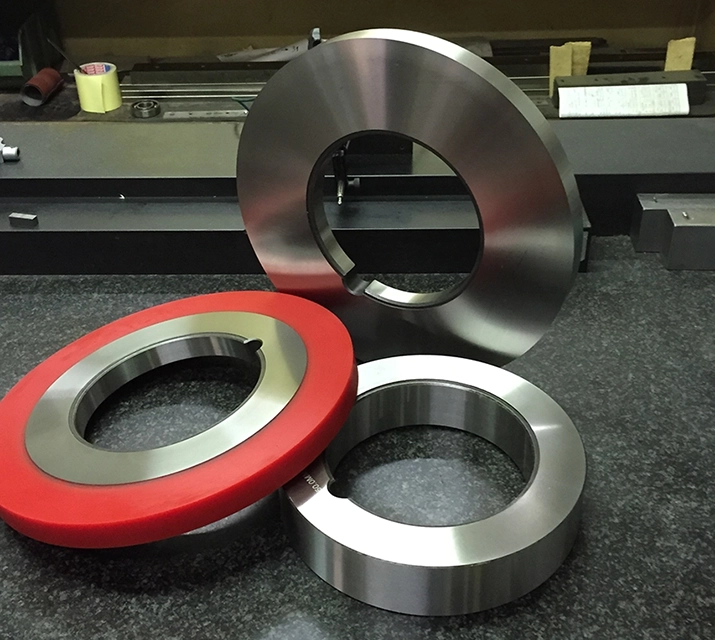
Slitter blades are specialized cutting tools used in slitting machines to cut large rolls of material into narrower strips with high precision. These materials can include metals, paper, plastic films, foils, textiles, and more.
In modern production lines, slitting is often one of the first and most crucial processes. The quality of this step directly impacts the final product. Clean cuts, accurate dimensions, and minimal material waste all depend on the performance of the slitter blades used.
The Role of High-Performance Slitter Blades
High-performance slitter blades are designed to meet the demanding requirements of modern manufacturing environments. Unlike standard blades, they are engineered using advanced materials, precision machining, and strict quality control processes.
At Maxwell Slitters, for example, rotary slitter blades are manufactured using high-grade tool steels such as D2 and HSS, combined with vacuum heat treatment and CNC grinding for optimal hardness and accuracy.
1. Precision Cutting and Superior Product Quality
One of the biggest advantages of high-performance slitter blades is their ability to deliver precise and clean cuts. Tight tolerances—sometimes as fine as ±0.0015 mm—ensure consistent cutting accuracy across production runs.
This level of precision results in:
- Smooth edges with minimal burr formation
- Consistent strip widths
- Better product finish
In industries such as automotive, electronics, and packaging, even minor deviations can lead to product rejection. High-performance blades eliminate these risks by maintaining exact cutting standards.
2. Increased Production Efficiency
Modern manufacturing demands high-speed operations. Slitting lines often run continuously, processing large volumes of material in a short time.
High-performance slitter blades are specifically engineered for such environments. Features like zero runout, perfect alignment, and optimized geometry allow machines to operate at higher speeds without compromising quality.
The result is:
- Faster production cycles
- Higher throughput
- Reduced bottlenecks
Efficient cutting tools ensure that the entire production line runs smoothly, improving overall operational performance.
3. Reduced Material Waste
Material waste is a major concern in manufacturing, especially when working with expensive metals or specialty materials. Poor-quality blades often produce rough edges, uneven cuts, and burrs, leading to scrap and rework.
High-performance slitter blades minimize these issues by delivering clean, accurate cuts every time. According to industry insights, the right slitter tooling significantly reduces scrap and improves output consistency.
This not only saves material costs but also enhances sustainability by reducing waste.
4. Extended Tool Life and Durability
Another critical benefit of high-performance slitter blades is their durability. These blades are made from advanced materials like D2, D3, HSS, H11, and H13 tool steels, known for their wear resistance and strength.
Additionally, processes such as vacuum heat treatment improve hardness and longevity, enabling the blades to withstand high loads and continuous operation.
Longer tool life translates to:
- Fewer blade replacements
- Lower maintenance costs
- Reduced downtime
For manufacturers, this means significant cost savings and improved productivity over time.
5. Versatility Across Industries
High-performance slitter blades are not limited to one type of material or industry. They are used across a wide range of applications, including:
- Metal processing (steel, aluminum, copper)
- Paper and pulp industry
- Packaging (films and foils)
- Textile manufacturing
These blades can handle materials ranging from as thin as 0.1 mm to as thick as 24 mm, making them highly versatile for different production needs.
This adaptability is crucial in modern manufacturing, where flexibility and multi-material processing are often required.
6. Improved Machine Performance
Slitter blades are a key component of slitting machines, and their quality directly affects machine performance. Poor-quality blades can cause:
- Vibration and misalignment
- Increased wear on machine components
- Frequent maintenance issues
High-performance blades, on the other hand, are designed with precise flatness and balance, ensuring smooth machine operation.
This leads to:
- Reduced machine wear
- Longer equipment life
- Stable production processes
7. Customization for Specific Applications
Every manufacturing process is unique, with different materials, thicknesses, and cutting requirements. High-performance slitter blades can be customized to meet these specific needs.
Companies like Maxwell Slitters offer custom-engineered blades tailored to individual applications.
Customization ensures:
- Perfect fit for machines
- Optimal cutting performance
- Enhanced efficiency
This level of precision is essential for industries that require specialized cutting solutions.
8. Consistency in High-Speed Operations
Modern manufacturing lines often operate at extremely high speeds, where even small inconsistencies can lead to significant issues. High-performance slitter blades are designed to maintain consistent performance even under high-speed conditions.
Their precision engineering ensures:
- Uniform cutting results
- Stable operation
- Minimal variation in output
Consistency is key to maintaining product quality and meeting customer expectations.
9. Contribution to Cost Efficiency
While high-performance slitter blades may have a higher initial cost, they offer significant long-term savings. Their durability, precision, and efficiency reduce operational costs in multiple ways:
- Lower material waste
- Reduced maintenance and downtime
- Longer blade lifespan
In the long run, these benefits far outweigh the initial investment, making high-performance blades a cost-effective choice for manufacturers.
10. Supporting Advanced Manufacturing Technologies
As industries move toward automation and smart manufacturing, the demand for high-precision tools continues to grow. Advanced production systems require components that can deliver consistent and reliable performance.
High-performance slitter blades are essential for:
- Automated slitting lines
- High-speed production systems
- Precision-driven manufacturing processes
They enable manufacturers to adopt modern technologies without compromising on quality or efficiency.
Why Choose Maxwell Slitters for High-Performance Blades
Maxwell Slitters has established itself as a trusted name in the industry, offering high-quality slitter blades designed for modern manufacturing needs.
Key advantages include:
- In-house manufacturing with strict quality control
- Use of premium tool steels and advanced heat treatment
- CNC grinding for precise tolerances
- Custom solutions for diverse applications
With decades of experience and a global presence, Maxwell Slitters provides reliable solutions that meet the highest industry standards.
Conclusion
High-performance slitter blades are not just cutting tools—they are a critical component of modern manufacturing success. Their ability to deliver precision, efficiency, durability, and consistency makes them indispensable across industries.
From reducing material waste to improving production speed and product quality, the benefits of investing in high-performance slitter blades are clear. As manufacturing continues to evolve, the demand for advanced cutting solutions will only increase.
By choosing high-quality solutions from trusted manufacturers like Maxwell Slitters, businesses can stay competitive, optimize operations, and achieve long-term growth.