

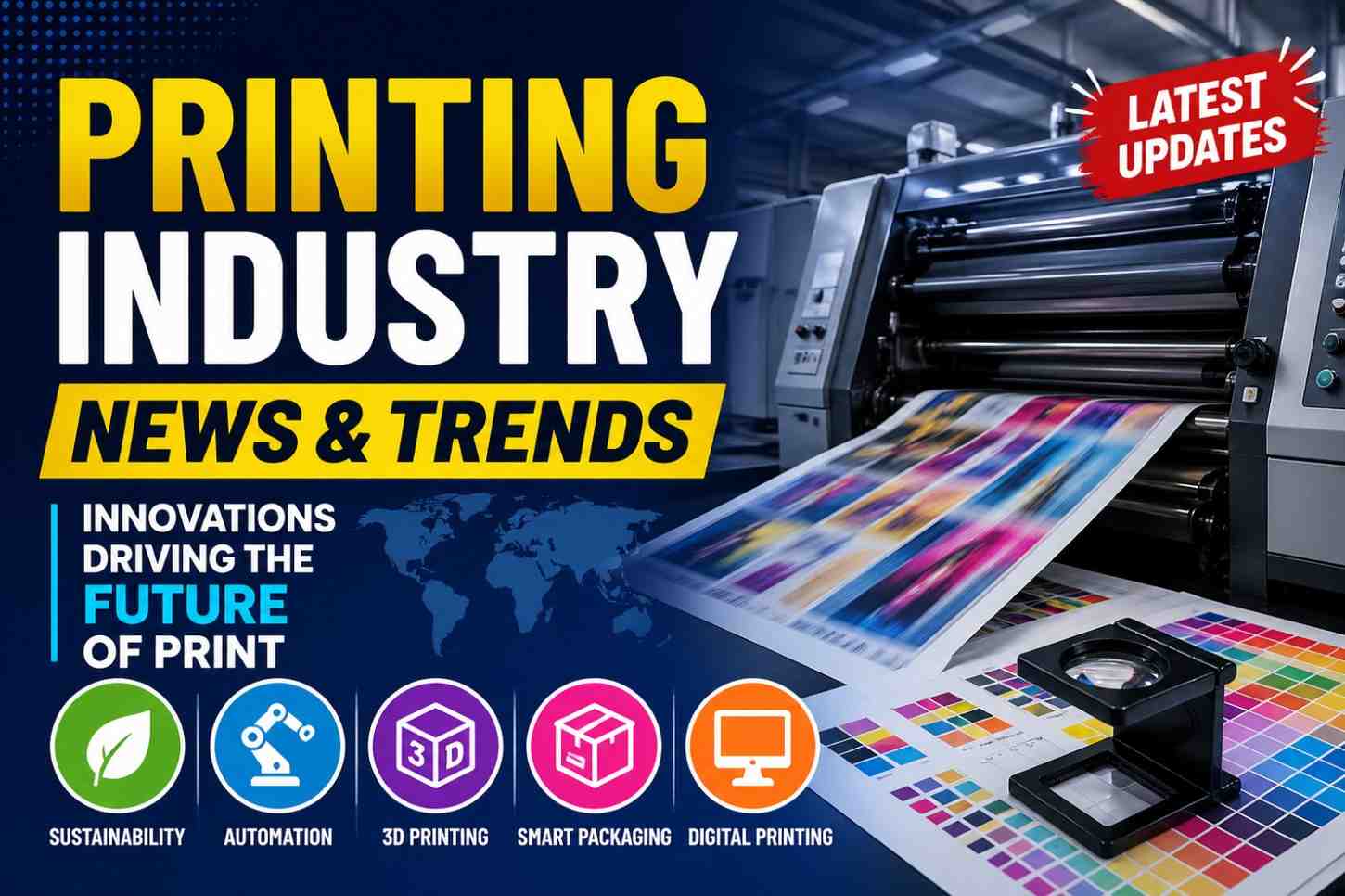
The printing industry has changed more in the last decade than it did in the previous fifty years. What was once driven mainly by traditional newspapers, magazines, and commercial printing houses is now deeply connected with digital technology, online publishing, video content, automation, and real-time communication. At the center of this shift is the modern printing media platform.
A printing media platform is no longer just a website that publishes printing news. It has become a complete ecosystem where printers, packaging companies, manufacturers, designers, suppliers, and technology providers connect, share ideas, and discover business opportunities. From industry updates and product launches to educational content and live discussions, these platforms now shape how the print world communicates and grows.
As printing businesses face rising competition and rapidly changing customer expectations, the role of a trusted media platform becomes even more important. Companies are no longer looking only for news. They want insights, trends, practical knowledge, and visibility with the right audience.
The Growing Importance of a Printing Media Platform
The print industry is highly specialized. Business owners, operators, and suppliers need accurate information that directly relates to printing technologies, packaging innovations, sustainability trends, and production methods. General business media often cannot provide this level of detail.
That is where a dedicated printing media platform stands out. It creates industry-focused content that helps businesses stay informed and make smarter decisions.
Today, many printing companies depend on these platforms for:
- Industry news and updates
- Printing technology trends
- Packaging innovations
- Business growth strategies
- Product launches
- Event coverage
- Video interviews and expert discussions
- Market insights and customer behavior trends
A strong media platform acts as a bridge between manufacturers, suppliers, and buyers. It helps businesses understand where the industry is moving and what changes they should prepare for.
Why the Print Industry Needs Digital-First Media
The printing business has traditionally relied on trade shows, exhibitions, printed magazines, and direct sales to network and grow. While those channels still matter, digital platforms now dominate information consumption.
People want instant access to updates. Printers want to watch machine demonstrations online before investing. Packaging companies want to compare technologies through video content and expert analysis. Buyers want to research suppliers before making contact.
A modern printing media platform fulfills all these needs in one place.
Digital-first media also allows content to reach a global audience. A printer in India can now learn about packaging innovations in Germany or commercial printing trends in the United States within minutes. This accessibility has created a more connected and competitive industry.
Content That Drives Engagement in Printing Media
Not every type of content performs equally well in the print industry. Successful platforms understand what professionals actually want to consume.
Educational articles continue to attract strong engagement because they solve real business problems. Topics like print automation, color management, sustainable packaging, workflow optimization, and eCommerce integration are especially popular.
Video content has also become a major growth driver. Machine walkthroughs, factory tours, interviews with industry leaders, and live event coverage help audiences understand technologies in a more practical way.
Another important area is opinion-based content. Industry professionals often seek expert perspectives on topics such as AI in printing, supply chain challenges, labor shortages, and digital transformation.
The best printing media platforms combine informative reporting with practical insights that readers can immediately apply in their businesses.
SEO and Visibility in the Printing Industry
Search engine optimization has become essential for every media platform. Most users now discover content through search engines instead of directly visiting websites.
A well-optimized printing media platform can attract consistent traffic from industry-related searches. Keywords such as “digital printing trends,” “packaging printing technology,” “commercial printing news,” and “label printing solutions” generate valuable organic visibility.
However, modern SEO is no longer only about keywords. Search engines now prioritize helpful, trustworthy, and experience-driven content.
To succeed, platforms must focus on:
High-Quality Industry Content
Content should provide real value instead of generic information. Readers prefer articles grounded in industry knowledge, market observations, and expert insights.
Strong Technical SEO
Fast-loading pages, mobile optimization, structured content, and clear navigation improve both rankings and user experience.
Video and Multimedia Integration
Search engines increasingly favor pages that include videos, visuals, and interactive elements. Printing is a visual industry, making multimedia content especially effective.
Topical Authority
Publishing consistently on printing-related topics helps platforms build authority within the niche. This increases trust with both users and search engines.
The Role of Video in Modern Printing Media
Video has completely changed how printing companies market themselves online. Many businesses now prefer watching a two-minute demonstration over reading a long technical brochure.
A printing media platform that invests in video content often gains stronger engagement and audience retention. Videos create a more personal connection with viewers while also improving website performance metrics.
Popular video formats in the printing industry include:
- Press demonstrations
- Factory walkthroughs
- Event highlights
- Technology comparisons
- Expert interviews
- Packaging innovation showcases
- Customer success stories
Video content also performs well across platforms like LinkedIn, YouTube, and Instagram, helping media brands expand their reach beyond traditional website traffic.
How Printing Media Platforms Support Industry Growth
Beyond publishing content, these platforms help businesses build visibility and credibility. Many printing companies struggle with marketing because their products are highly technical or niche-focused.
A specialized media platform helps simplify communication between businesses and potential customers.
For example, a packaging manufacturer launching sustainable materials can use industry media coverage to reach decision-makers directly. Similarly, printing technology providers can demonstrate new equipment to targeted audiences through interviews, videos, and feature articles.
This creates a stronger ecosystem where information, networking, and business development happen together.
The Rise of Community-Driven Print Media
One major shift happening today is the movement toward community-driven media. Readers no longer want one-way communication. They want interaction, discussion, and collaboration.
Modern printing media platforms now include webinars, live discussions, podcasts, newsletters, and social media engagement to create ongoing conversations within the industry.
LinkedIn has become particularly important for print professionals. Industry leaders regularly share opinions, trends, and business insights there, helping media platforms build stronger relationships with their audiences.
Communities also create trust. When professionals repeatedly interact with a platform, they begin viewing it as a reliable source of industry knowledge rather than just another website.
Challenges Facing Printing Media Platforms
Despite the opportunities, running a successful printing media platform is not easy. Competition for attention is growing rapidly, and audience expectations continue to rise.
One major challenge is content quality. Many websites publish repetitive or overly promotional articles that fail to provide real value. Readers quickly lose interest in content that feels generic or sales-focused.
Another challenge is adapting to changing digital trends. Platforms must continuously improve video production, SEO strategies, social media engagement, and website performance to stay competitive.
Monetization can also be difficult. Advertising alone is often not enough. Many platforms now rely on sponsored content, partnerships, events, memberships, and video collaborations to generate revenue.
The key to long-term success is maintaining trust while balancing commercial goals.
What the Future Looks Like
The future of the printing media platform industry will likely be driven by technology, personalization, and multimedia storytelling.
Artificial intelligence is already influencing how content is created, distributed, and optimized. At the same time, audiences still prefer authentic human insights and experience-based reporting.
Sustainability will also remain a major topic across print and packaging media. Companies are actively searching for eco-friendly materials, energy-efficient production methods, and recyclable packaging solutions.
In the coming years, successful media platforms will focus on building deeper industry connections rather than simply publishing large amounts of content.
The platforms that combine trusted journalism, strong video storytelling, SEO expertise, and active community engagement will continue leading the industry forward.
Final Thoughts
The print industry is evolving faster than ever, and businesses need reliable sources of information to keep up. A modern printing media platform has become much more than a news website. It is now a hub for education, networking, innovation, and business growth.
From SEO-driven articles and expert interviews to video storytelling and industry discussions, these platforms are shaping how the global print community communicates and collaborates.
As digital transformation continues across printing and packaging, media platforms that deliver authentic, high-quality, and industry-focused content will play a major role in defining the future of print.
FAQs About Printing Media Platforms
1. What is a printing media platform?
A printing media platform is a digital hub that shares printing industry news, technology updates, videos, insights, and business trends for printers, packaging companies, suppliers, and manufacturers worldwide.
2. Why are printing media platforms important?
They help businesses stay up to date on market trends, discover new technologies, learn industry strategies, and connect with suppliers, customers, and professionals in the global printing community.
3. How does SEO help a printing media platform?
SEO improves search visibility, attracts targeted industry traffic, increases content reach, and helps printing businesses discover useful information through search engines like Google and Bing.
4. What type of content works best for print media websites?
Educational articles, machine demonstrations, expert interviews, packaging trends, case studies, and event videos usually perform best because they provide practical, industry-focused information for readers.
5. Can a printing media platform help generate business leads?
Yes, quality content and targeted industry exposure can attract potential customers, increase brand awareness, and create valuable networking opportunities that support long-term business growth.

















Leave a Reply