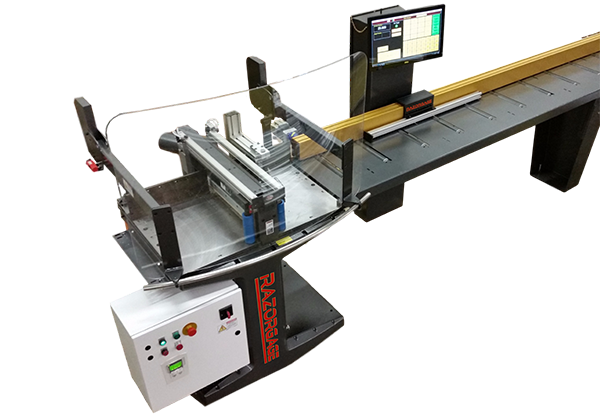
Every door and window shop faces the same silent enemy — material waste. Whether it is aluminum profiles, uPVC sections, or wooden frames, the off-cuts piling up in the corner of a workshop represent money that has already been spent but never recovered. The good news is that smarter cut planning is one of the most powerful ways to fight back against this problem. Tools like razoroptimal are changing the way fabrication shops think about optimization, turning what used to be guesswork into a precise, repeatable science. In this blog, we explore how door and window shops can dramatically reduce waste simply by rethinking how they plan their cuts.
Waste Matters More Than Many Shop Owners Think
A fabrication shop usually doesn’t lose big all in one go. Slow leaks cause most loss. Bits of scrap pop up now and then – some leftover edge, trim wasted by mistake. Week after week, those tiny bits grow into stacks worth real money. Cash slips out without noise, vanishing into unused corners of inventory. Only later do owners notice during quiet number checks, staring at sheets trying to spot where earnings disappeared.
Cut Planning in Daily Fabrication
Starting with a hunch, some cut plans depend on memory instead of rules. Workers eyeball lengths, guessing what fits. Sometimes it works well, sometimes waste piles up fast. Each person does it their own way, so outcomes jump around unpredictably. A different approach shows up when someone tries measuring first – results shift noticeably then. Leftover chunks pile high if nobody tracks patterns. Improvement stalls without any baseline to follow.
Bad Planning Causes Too Much Ordering
Most times, extra materials pile up because estimates miss the mark. Instead of precise numbers, guesswork rules – so orders grow larger just in case. That cushion seems wise at first glance. Yet slowly, unused stock stacks high, locking away money. Space fills. Costs creep. What started as caution turns into routine waste, eating margins without notice.
Bar Level Optimization Effects
Most scrap vanishes when each steel bar gets its own precise cutting plan. Instead of guessing, shops pick exact sections for every piece. Moving from hand-drawn charts to smart layout systems brings savings – ten, sometimes twenty percent on material. Money once lost in extra cuts now stays inside the company. Growth happens quietly, just by changing how shapes fit on metal rods.
Small Shops Gain Like Large Ones
Most people think fancy scheduling tools only help giant plants swamped with work. Wrong. A tiny workshop juggling just a few tasks each day still gains real benefits. Numbers back efficiency no matter size, since steel costs the same price tag for everyone – big mill or corner welder.
Digital Tools Change How Workshops Work
Out of raw numbers on a job sheet, today’s layout tools shape how metal bars get sliced. Starting from those figures, the system maps each cut to save material. Because it checks part sizes, amounts needed, stock lengths, and blade loss, leftover scraps shrink. People used to work this through step by step – now they don’t. Following the output brings steady outcomes without fail.
Teaching Teams to Focus on Yield
A solid plan works only when everyone sticks to it every day. Because understanding drives behavior, shop leaders ought to explain why getting more from each piece counts. One shift in how cuts are arranged might preserve a full rod – seeing that sparks awareness. Once people notice their role in saving materials, effort follows naturally. Small adjustments gain meaning when the link between action and outcome becomes clear.
Creating Accuracy in Your Workshop
Every day shapes how waste drops over time. Thinking ahead sets the pace, not just doing things once. Before any work starts, check what gets cut. Keeping tabs on leftover pieces matters just as much. Reports show patterns when someone looks often enough. Getting exact takes patience, yet slowly it sticks. When it does, everything runs tighter than before.
Conclusion
Door and window shops that take cut planning seriously are not just saving material — they are building stronger, more profitable businesses. By moving away from manual guesswork and toward structured optimization, any shop can reduce its waste, lower its material costs, and serve customers more efficiently. The introduction of an automatic pusher system in a connected workflow can further improve accuracy by ensuring that each cut is executed with mechanical consistency, leaving even less room for human error. The future of fabrication belongs to shops that plan before they cut.
FAQs
What is cut optimization in a door and window shop?
Cut optimization is the process of planning how to divide raw material bars into required piece lengths in the most efficient way possible, minimizing leftover off-cuts and reducing material waste.
How much material can a shop save through better cut planning?
Savings vary by shop, but many fabricators report reductions in material waste of ten to twenty percent or more after switching from manual planning to optimized cut lists.
Is cut planning software suitable for small shops?
Absolutely. Even small shops with modest daily output benefit from optimized planning because material costs are the same regardless of shop size, and every bar saved goes directly to the bottom line.
How long does it take to implement a cut planning system?
Most shops can begin using a basic cut planning approach within a few days of adopting a suitable tool. The learning curve is gentle, and the results are often visible within the first week of consistent use.
Can off-cuts be reused to further reduce waste?
Yes. Tracking off-cut lengths and feeding them back into future cut plans is a powerful way to squeeze additional value from material that would otherwise be discarded.