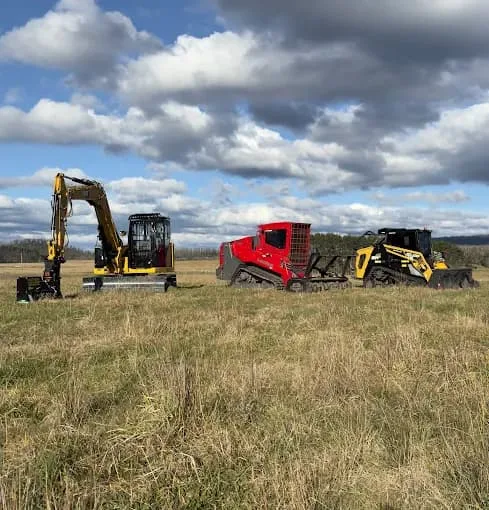
Overgrown land can make a property feel closed in and hard to use. Thick brush can hide paths, rocks, stumps, and uneven ground. Small trees can also spread across open areas. With time, the space may become harder to manage. Proper land clearing can bring that space back to life. It can open useful areas, improve access, and help you plan future work.
Good clearing starts with a simple plan. Before machines arrive, look at the land and decide what you need. If the property has a rough or worn driveway, Gravel Driveway Repair Fredericksburg VA can help create better access for daily use and site work. A clear plan can also help reduce wasted work and protect areas worth keeping.
Why Proper Land Clearing Matters
Land clearing is more than cutting grass and brush. It is about making the land safer, cleaner, and easier to use. The right work can remove unwanted growth while keeping useful trees and natural areas.
If brush has taken over a field, Bush Hogging Fredericksburg VA may help open the space before other land work begins.
It Creates More Usable Space
Overgrown land often hides space that you could use.
A thick patch may cover a large part of your yard. You may have a wide field behind it. You may not even see the full space from your home.
Clearing can open that area.
You might use the space for:
A larger yard
A garden
A shed
A barn
A driveway
A work area
A play space
A future building
Open pasture
The key is to clear with a goal in mind.
Do not remove everything just because you can.
A smart plan clears what you need.
It Makes the Property Easier to Access
Good access matters on almost every property.
Thick brush can make paths hard to reach. Fallen limbs can block routes. Small trees can grow across old drive paths.
Proper clearing can open these areas.
Better Access Helps Daily Work
You may need to move tools around the property. You may need to bring in supplies. You may also need equipment for future projects.
A clear route makes these tasks easier.
It can also help emergency workers reach parts of the property when needed.
Keep access paths wide enough for their intended use.
Think about more than today.
A path that fits a small mower may not fit larger equipment later.
It Can Improve the Look of Your Property
A clean property often feels more welcoming.
Overgrown brush can make a yard look messy. Tall weeds can hide fences and structures. Dead limbs can add to the clutter.
Clearing can create a cleaner view.
Keep the Natural Look
Clean does not mean empty.
You can keep healthy trees and useful plants. You can leave small wooded areas where they make sense.
This creates a more balanced look.
You may want open grass near the home. You may also want trees along the edge.
A mixed layout can look natural.
It can also give your property more character.
It Can Help You Spot Property Problems
Overgrown land can hide many things.
A thick brush line may cover an old fence. Grass may hide holes. Leaves may cover rocks and broken branches.
Clearing gives you a better view.
Look for Hidden Issues
After the area opens up, inspect the ground.
Look for:
Old stumps
Large rocks
Broken fence posts
Low spots
Drainage paths
Wet areas
Buried features
Eroded soil
Fallen trees
Damaged structures
Do not rush this step.
Walk the area after clearing.
Some problems only become clear once the brush is gone.
It Can Support Better Drainage
Water needs room to move.
Overgrown areas can hide drainage paths and low spots. Heavy brush may also make it hard to see where rainwater travels.
Once the land is open, these patterns become easier to understand.
Watch Water Flow
Walk the property after rain when it is safe.
Look for places where water collects.
Notice where water moves downhill.
Check areas near driveways and buildings.
You may find that one low spot holds water for too long.
That may need a separate drainage solution.
Do not move soil without a plan.
Poor grading can send water toward areas that should stay dry.
It Can Reduce Soil Problems
Clearing can help you understand soil issues.
However, clearing itself can also expose soil.
That matters during rain.
Loose soil can wash away when water moves across bare ground. EPA guidance notes that stormwater can carry sediment from disturbed land into nearby water.
Protect Bare Ground
Do not leave large areas bare longer than needed.
Use suitable ground cover where needed.
Mulch can help protect some exposed soil. Grass and other plants can also help hold soil in place.
The right choice depends on the land.
Slope matters too.
So does soil type.
Rainfall also plays a role.
A local professional can help you choose the right approach.
It Can Make Future Projects Easier
Proper clearing can prepare land for future plans.
Maybe you want to build a shed. You may want a new garden. Perhaps you need room for a driveway.
Clearing is often the first step.
Plan Ahead
Think about what you may do next.
Do not clear an area today and discover a better use tomorrow.
For example, you may want to keep a row of mature trees. They could provide shade later.
You may also need space for equipment.
Plan the full layout before removing trees or brush.
This small step can save work.
It Can Help Protect Useful Trees
Good land clearing does not mean removing every tree.
Some trees may be worth keeping.
Healthy trees can provide shade. They can also improve the look of open land.
Trees may also help reduce direct rain impact on soil.
Mark Trees You Want to Keep
Walk the property before work begins.
Mark trees that should stay.
Tell the equipment operator about them.
Also mark areas that should not be disturbed.
This can include:
Gardens
Wells
Septic areas
Fences
Drainage paths
Small wooded areas
Property markers
Structures
Clear markings make the work easier to control.
It Can Improve Safety Around the Property
Overgrown land can hide hazards.
A fallen tree may be hard to see. A deep hole may sit under tall grass. Loose branches can also fall during storms.
Clearing can help reveal these issues.
Trees Need Special Care
Tree work should not be rushed.
Large trees can fall in unexpected ways. Damaged trees may also have weak limbs.
Power lines create another serious concern.
OSHA identifies falling branches and overhead power lines among major tree care hazards.
If trees are close to power lines, use trained professionals.
Do not guess about safe distances.
It Can Improve Equipment Access
Heavy equipment needs enough room to work.
A narrow path can slow a job. Thick brush can also block machines from reaching the work area.
Proper clearing can open safe routes.
Check Gates and Driveways
Look at every access point.
Check gate width.
Check the driveway surface.
Look at slopes and soft ground.
Wet soil can become damaged under heavy equipment.
Plan the route before the equipment arrives.
This can reduce delays.
It may also help prevent avoidable ground damage.
It Can Help With Better Land Grading
Clearing and grading are different tasks.
Clearing removes unwanted growth.
Grading changes the shape and slope of the soil.
Some properties need both.
Why Grading May Matter
Uneven ground can make a property hard to use.
Small dips may hold water. High spots can make mowing difficult.
A planned grade can create a more useful surface.
It may also help guide water away from certain areas.
Still, grading needs care.
Moving soil without checking water flow can create new problems.
It Can Help Prepare a Driveway Area
A clear property can make driveway planning easier.
You can see the ground shape better.
You can also check where water travels.
Think About the Full Route
A driveway needs more than a clear path.
Think about:
Ground slope
Drainage
Soil condition
Turning space
Equipment access
Future use
Nearby trees
Property boundaries
The route should fit your needs.
It should also work well during wet weather.
Good planning now can reduce repairs later.
It Can Make Property Maintenance Easier
Overgrown land often needs constant attention.
Tall weeds grow back quickly. Brush can spread into open spaces. Small trees may need removal later.
Proper clearing can reduce this burden.
Keep Growth Under Control
After clearing, think about maintenance.
Do not let the area return to the same condition.
You may need regular mowing. Some areas may need brush control.
Trees may also need periodic care.
A simple maintenance plan can keep the property manageable.
It is much easier to maintain open land than thick growth.
It Can Help You Understand Property Boundaries
Dense vegetation can hide property markers.
That can create confusion.
Before clearing near a boundary, know where your property ends.
Be Careful Near Property Lines
Do not guess.
Old fences are not always accurate property lines.
If the boundary is unclear, use reliable property records or professional help.
Clear boundaries can prevent disputes.
They can also help you plan future work with confidence.
It Can Support Better Stormwater Planning
Land clearing can change how rain moves across a property.
That is why stormwater should be part of your plan.
EPA rules can apply to construction activities that disturb one acre or more. Virginia also has construction stormwater requirements for qualifying land disturbance.
Virginia Rules Can Matter
Virginia DEQ says qualifying land disturbance may require Construction General Permit coverage. Local erosion and sediment control programs may also have a role.
Rules depend on the project.
They can also depend on the size of the disturbed area.
Ask the proper local office before major work begins.
Do not assume your project needs no approval.
It Can Help Control Erosion
Bare soil is easier for rain to move.
This is especially true on slopes.
Proper planning can limit exposed soil.
Use Suitable Erosion Controls
Different sites need different methods.
Possible options include:
Mulch
Seed
Sod
Soil cover
Vegetation
Slope protection
Drainage controls
Temporary barriers
EPA lists several erosion and runoff controls for disturbed sites.
The best method depends on your property.
Do not copy a method from another site without checking your conditions.
It Can Improve the Value of Your Space
Land value depends on many factors.
Still, useful space can make a property more practical.
A clear area may be easier to maintain.
It may also give you more options for future use.
Focus on Practical Improvements
Think about what makes the property work better.
Better access can help.
Cleaner open space can help.
Improved drainage can help.
A clear view can also make daily tasks easier.
The goal is not simply to make land look empty.
The goal is to make it useful.
It Can Reduce Future Surprise Work
Poor planning can create extra work.
A hidden stump may damage equipment later.
A blocked drainage path may create standing water.
A poorly planned access route may need repair.
Proper clearing can expose these issues early.
Look Beyond the Clearing Day
Ask what happens after the work.
Will the soil need cover?
Will the area need grading?
Will stumps need removal?
Will brush grow back?
Will equipment need access?
These questions matter.
A good clearing plan looks at the whole project.
How to Plan a Proper Land Clearing Project
You do not need a complex plan.
Start with the basics.
Step 1: Walk the Land
See what you have.
Look for slopes, trees, water, access, and hazards.
Step 2: Set Your Goal
Know what you want the space to become.
Be clear.
Step 3: Mark Important Areas
Mark trees, fences, utilities, drainage, and structures.
Step 4: Check Local Rules
Ask about permits and land disturbance requirements.
Virginia DEQ provides guidance for qualifying land disturbance projects.
Step 5: Plan Equipment Access
Make sure machines can enter and leave safely.
Step 6: Plan Debris Removal
Decide what happens to brush, logs, roots, and stumps.
Step 7: Protect the Soil
Plan for erosion and runoff before clearing starts.
Step 8: Review the Site
Walk the land again after clearing.
Check drainage and ground conditions.
Then plan the next step.
Common Land Clearing Mistakes
Some mistakes are easy to avoid.
The biggest one is rushing.
Avoid These Problems
Do not:
Clear without a goal
Ignore drainage
Guess property lines
Skip utility checks
Remove every tree
Leave bare soil unprotected
Block water paths
Forget debris removal
Ignore local rules
Use equipment that does not fit
A simple plan can prevent many headaches.
When Should You Hire a Professional?
Some clearing jobs are small.
Others are much more complex.
Large trees and thick brush can create safety risks. Slopes can make equipment work harder.
Power lines need extra care.
Professional Help Makes Sense When
Consider professional help when:
The land is large
Brush is very thick
Trees are large
Slopes are steep
Drainage is poor
Stumps are large
Equipment is needed
Access is tight
Utilities are nearby
Future construction is planned
Experience can make a major difference.
A skilled operator can assess the land before work starts.
They can also choose equipment that fits the site.
Questions to Ask Before Hiring
Do not choose a service based only on price.
Ask what the work includes.
Useful Questions
Ask:
Have you cleared similar properties?
What equipment will you use?
Will you protect marked trees?
How will you handle stumps?
How will you remove debris?
How will you protect the soil?
What happens if drainage issues appear?
Is grading included?
Are permits needed?
What does the quote include?
Clear answers build trust.
A written estimate can also prevent confusion.
Final Thoughts
Proper land clearing can change how you use your property.
It can open hidden space.
It can improve access.
It can make maintenance easier.
It can also help you see drainage, soil, trees, and other site features more clearly.
But good clearing is not about removing everything.
It is about making smart choices.
Keep useful trees.
Protect important areas.
Plan equipment access.
Think about water flow.
Handle debris properly.
Check local rules before major work.
Virginia DEQ and EPA guidance show why land disturbance and runoff need careful planning.
The best results come from looking at the full property.
Do not focus only on the brush.
Think about what you want the land to become.
That could be a better yard.
It could be a new driveway.
It could be a garden or work area.
Maybe it is space for a future building.
Whatever your goal, proper clearing can help you get there.
FAQs About Proper Land Clearing
What is proper land clearing?
Proper land clearing removes unwanted growth with a clear plan.
It also protects useful trees, soil, drainage, and important site features.
The goal is useful land.
Does land clearing improve property access?
Yes, it can.
Removing thick brush can open paths and equipment routes.
It may also make future driveway work easier.
Should all trees be removed during clearing?
No.
Healthy trees may be worth keeping.
They can provide shade and improve the look of your property.
Can land clearing cause erosion?
Yes.
Clearing can expose soil to rain and runoff.
Use suitable soil protection when needed.
Does clearing improve drainage?
Clearing can make drainage paths easier to see.
However, clearing alone does not fix poor drainage.
Some sites may need grading or another drainage plan.
Do I need permission before clearing land?
Maybe.
Rules depend on the project and location.
In Virginia, qualifying land disturbance can require stormwater permit coverage.
Check with the proper local office first.
Can land clearing prepare land for construction?
Yes.
Clearing can be an early step before future construction.
The site may still need grading, drainage work, soil checks, or other preparation.
How can I protect soil after clearing?
Do not leave exposed soil without a plan.
Use suitable ground cover or erosion controls when needed.
The right choice depends on the site.
Is professional land clearing worth it?
It can be helpful for large or difficult properties.
Professionals can assess the site and use equipment suited to the work.
They can also help manage site risks.
What should I do after clearing?
Walk the property again.
Check drainage, soil, access, stumps, and remaining hazards.
Then decide what work should happen next.
What is the main benefit of proper land clearing?
The biggest benefit is better use of your property.
You gain clearer space and better access.
You also get a better view of the land.
That makes future planning much easier.