A septic tank pumping garden city park isn’t exactly the kind of thing homeowners get excited about. Nobody wakes up thinking about sludge levels or wastewater flow before coffee. But ignoring a septic system for too long? That’s where the expensive problems start creeping in quietly.
A lot of homeowners in Garden City Park assume septic maintenance can wait another year. Maybe two. The drains still work, the toilets still flush, nothing smells too terrible yet. So it gets pushed aside. Fair enough honestly. Life gets busy and septic tanks stay buried underground where nobody sees them anyway.
But septic systems don’t fail all at once. They wear down slowly. And when homeowners skip routine pumping long enough, the repair bills can get ugly fast. We’re talking drain field damage, sewage backups, plumbing repairs, ruined landscaping, even property value problems nobody saw coming.
That’s the part people underestimate most. Regular septic pumping isn’t really about spending money. It’s about avoiding much bigger expenses later.
Small Septic Problems Usually Turn Into Big Ones
Most septic issues start quietly.
A tank fills with sludge over time. Wastewater flow slows down little by little. Pipes begin straining under pressure. Maybe a sink drains slower than usual or the toilet bubbles oddly once in a while. Small warning signs like that get ignored constantly because everything still “mostly works.”
Until one day it doesn’t.
That’s how septic systems trap homeowners financially. The damage builds underneath the property for months or years before anybody realizes how serious it’s become. And by the time sewage starts backing up into showers or pooling in the yard, the repairs are rarely cheap anymore.
Routine septic tank pumping in Garden City Park removes that built-up waste before it overloads the system. It keeps solids from reaching places they shouldn’t reach. That simple maintenance step alone prevents a lot of catastrophic failures homeowners end up paying thousands for later.
And honestly, emergency septic repairs never happen at a convenient time either.
Drain Field Repairs Can Drain Your Wallet Fast
The drain field is where costs really start climbing.
A healthy drain field filters wastewater safely into the soil. But when a septic tank gets too full, solid waste can spill into the drain field lines and clog the whole system. Once that happens, water stops draining correctly underground.
Homeowners usually notice wet patches in the yard first. Maybe grass suddenly grows greener in certain spots because sewage is feeding it underneath. Sounds gross because it kind of is. Then the odors start showing up too.
Repairing a failed drain field in Garden City Park can become extremely expensive fast. Excavation work, replacing pipes, restoring landscaping, testing soil conditions — it adds up quicker than most people expect. Some repairs push into five figures depending on the damage.
And the frustrating part? Many of those drain field failures could’ve been avoided with regular pumping appointments every few years.
That’s the painful reality of septic neglect. The maintenance itself isn’t terribly expensive. The consequences are.
Septic Backups Damage More Than Plumbing
When sewage backs up inside a home, it creates problems everywhere.
People think septic issues only affect toilets or drains. Not really. Wastewater backups can destroy flooring, damage drywall, ruin carpets, and create mold problems homeowners end up fighting for months afterward. Once contaminated water enters living spaces, cleanup becomes a whole different situation.
Insurance coverage can get messy too depending on the cause of the failure. Some homeowners assume policies automatically cover septic backups, then find out later they’re responsible for huge portions of the repair costs themselves.
That realization hits hard.
Routine septic tank pumping in Garden City Park reduces the chances of those backups happening in the first place. It keeps the system flowing correctly instead of forcing wastewater back into the house through the plumbing lines.
And trust me, nobody wants sewage bubbling into the bathtub before guests arrive for dinner. That’s not a fun evening.
Property Value Takes a Hit From Septic Problems
Buyers get nervous around septic issues. Understandably.
If someone’s looking at a home in Garden City Park and hears there’s a history of septic trouble, they immediately start questioning everything else too. Even if the kitchen looks perfect and the roof was replaced recently.
Home inspections uncover septic problems all the time. Slow drainage. Bad odors. Saturated soil. Missing maintenance records. Those issues scare buyers off fast or lead to lower offers during negotiations.
Sometimes sales collapse altogether.
A neglected septic system quietly lowers property value long before complete system failure happens. Homeowners often don’t realize that until they try selling the property and inspectors start pointing things out.
Keeping up with regular septic pumping helps protect the long-term value of the home. It shows buyers the system was maintained properly instead of ignored for years underground.
That documentation matters more than people think.
Utility Bills Can Start Creeping Up Too
This surprises homeowners sometimes.
A struggling septic system forces plumbing components to work harder. Water drains slower. Pumps run longer. Moisture buildup underground creates inefficiencies throughout the property. In severe cases, hidden leaks or pressure issues quietly increase water usage over time.
The increases usually happen gradually enough that homeowners blame something else.
Higher utility rates. Seasonal usage. Older appliances.
Meanwhile the septic system keeps deteriorating underneath the yard causing the real problem. Those extra monthly costs might not look dramatic initially, but over several years they absolutely add up.
A properly maintained septic tank runs more efficiently overall. That means less stress on plumbing systems, fewer hidden leaks, and fewer utility surprises showing up later.
Tree Roots Love Septic Lines
Tree roots are sneaky. Seriously.
Roots naturally grow toward moisture underground, and septic pipes provide exactly what they’re looking for. Tiny roots enter through microscopic cracks and eventually expand enough to block wastewater flow completely.
At first homeowners notice slower drainage. Then random backups start happening. Eventually pipes crack apart underground and excavation becomes necessary.
That’s when repair bills explode.
In some cases contractors have to tear through sections of landscaping, patios, or driveways just to access damaged septic lines. So now the homeowner isn’t only paying for plumbing repairs anymore. They’re paying for restoration work too.
Routine inspections and pumping services often catch root intrusion early before total pipe failure happens. Small preventative fixes stay manageable. Full pipe collapses don’t.
There’s a huge financial difference between the two.
Septic Odors Affect Everyday Life More Than People Admit
People try ignoring septic smells way longer than they should.
At first the odor only shows up occasionally outside after rainstorms or near certain drains. Then eventually it sticks around constantly. Homeowners become nose-blind to it sometimes while guests notice immediately.
That gets awkward fast.
Outdoor gatherings become less enjoyable. Sitting on the patio feels unpleasant. Windows stay closed because the smell drifts indoors. Families stop using parts of their property comfortably because the septic system keeps reminding them something’s wrong.
And once odors become severe, the underlying issue has usually advanced beyond simple maintenance.
Regular septic tank pumping in Garden City Park helps prevent those smells by keeping waste levels under control before gases and sewage buildup become overwhelming. A healthy septic system shouldn’t dominate the atmosphere around the property.
When it does, something’s already gone sideways.
Emergency Septic Repairs Cost Way More
Emergency service calls always cost more. Always.
When homeowners wait until the septic system completely fails, they lose the luxury of planning repairs calmly. Sewage backing into bathrooms at midnight creates panic decisions. People call the first contractor available because they need the problem fixed immediately.
Weekend rates increase. Emergency excavation costs rise. Temporary sanitation solutions add more expenses on top.
Suddenly a problem that could’ve been handled during routine maintenance becomes a full financial crisis.
Preventive pumping changes that entirely. Homeowners can schedule service on their own timeline, compare prices, and handle small repairs before they spiral into emergencies.
That control alone saves a surprising amount of money long-term.
Older Septic Systems Need More Attention
Aging septic systems become riskier over time.
Older tanks may develop cracks. Pipes weaken underground. Baffles deteriorate slowly without homeowners realizing it. Even systems that worked perfectly for decades eventually need closer monitoring as materials wear down naturally.
Garden City Park has plenty of older homes where septic systems have been buried underground for years. Some homeowners don’t even know the last time their tank was pumped because records disappeared long ago.
That’s risky honestly.
Routine pumping and inspections help identify aging components before complete failure happens. Catching structural problems early gives homeowners options. Waiting until the system collapses usually removes those options completely and leaves only expensive emergency repairs.
And underground structural work rarely comes cheap.
Weather Makes Existing Septic Problems Worse
Heavy rain can expose weak septic systems fast.
When soil becomes saturated, drain fields struggle to absorb wastewater properly. If the system already has underlying issues, storms often push it over the edge completely. That’s why septic emergencies seem to happen right after long periods of rain so often.
Hot weather creates problems too.
Higher temperatures intensify odors and can speed up bacterial imbalances inside overloaded tanks. Systems already operating under stress become even less stable during seasonal extremes.
The septic tank was already struggling. Weather just made the problem impossible to ignore anymore.
Routine septic tank pumping in Garden City Park helps systems handle seasonal pressure better by keeping waste levels manageable year-round.
Why Preventive Septic Maintenance Actually Saves Money
Nobody enjoys paying for maintenance. That’s understandable.
But septic care works differently than people think. Skipping maintenance doesn’t eliminate costs. It usually delays them until they become dramatically larger and harder to control.
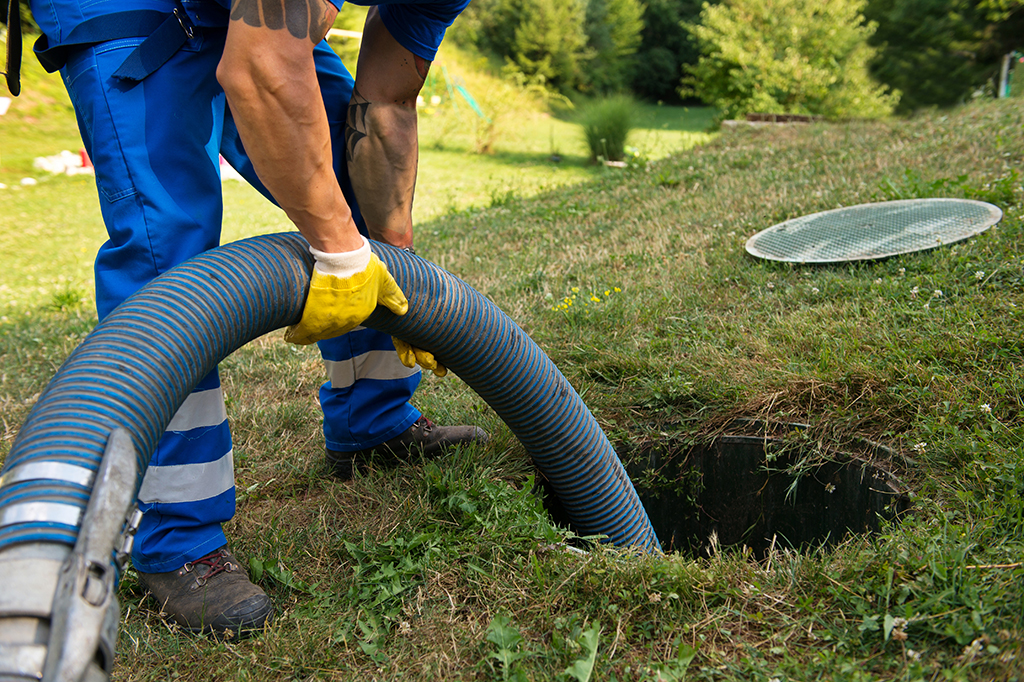
Regular pumping keeps sludge from overwhelming the tank. Inspections identify small leaks, root intrusion, drainage problems, or worn components before major breakdowns happen. The entire goal is keeping manageable problems manageable.
That’s it really.
Homeowners who stay consistent with septic maintenance almost always spend less long-term than homeowners who wait for visible failure. The savings come from preventing disasters before they start snowballing underground.
And septic disasters snowball quickly.
Conclusion
Ignoring septic maintenance may feel cheaper upfront, but long-term it usually costs homeowners far more. Drain field failures, sewage backups, plumbing damage, excavation work, and property value loss all become very real possibilities when septic systems get neglected for too long.
Routine septic tank pumping garden city park services help prevent those expensive surprises before they spiral out of control. A healthy septic system protects the home, the plumbing, the land around the property, and honestly the homeowner’s budget too.
Most septic failures don’t happen overnight. They build slowly underneath the surface while everything seems “mostly fine.” That’s why regular maintenance matters so much. It catches problems early while repairs still stay reasonable.
And when homeowners avoid maintenance completely, they often end up paying much more later for emergency septic System Repair they could’ve prevented in the first place.