

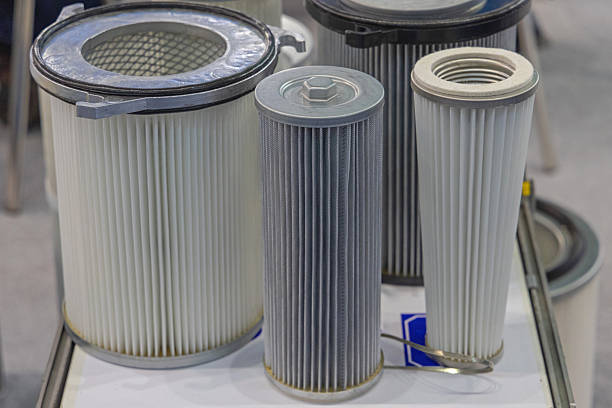
Nobody budgets extra time for strainer maintenance, and that’s usually the mistake. A temporary inline stainless steel strainer isn’t meant to last forever, sure, but plenty of facilities burn through them way faster than necessary just from bad habits. Wrong install, ignored pressure readings, skipped inspections, it adds up. Same thing happens with a dust collector filter or a teflon cartridge filter sitting somewhere else in the plant, honestly. Equipment lasts longer when somebody actually pays attention to it.
Why Strainer Life Gets Cut Short
Most premature strainer failures trace back to something simple, debris load way higher than expected, or nobody checking differential pressure until something clogs completely. Once a strainer’s basket fills past capacity, flow restriction spikes and the whole system starts fighting itself. It’s the same story with a dust collector filter running past its service interval, performance drops off a cliff before anyone notices the warning signs. Small oversight, big consequence, every time.
Monitoring Pressure Differential Regularly
This is the single easiest thing facilities skip, and it costs them. Checking pressure drop across a temporary inline strainer tells you almost everything about how much debris it’s catching and how close it is to needing service. Same logic applies to teflon cartridge filter systems elsewhere in the plant, watching differential pressure instead of guessing on a calendar schedule extends usable life significantly. A simple gauge check, done consistently, beats waiting for something to fail outright.
Proper Installation Extends Everything Downstream
Bad install shortens strainer life before it even starts working properly. Orientation has to be correct, flange bolts torqued to spec, gaskets seated right, otherwise you get leaks or uneven flow that stresses the mesh unevenly. I’ve seen strainers fail early purely because installation corners got cut during a rushed commissioning schedule. Dust collector filter cartridges suffer the same fate when installers rush the seating process, gaps form, and dust bypasses the media entirely without anyone realizing it for weeks.

Cleaning Cycles Matter More Than People Think
A temporary strainer isn’t disposable in the sense that you install it once and forget it exists. Depending on debris load, some get pulled, cleaned, and reinstalled multiple times before the commissioning window closes. Stainless steel handles this repeated cycling well, better than cheaper materials that warp or corrode after a few cleanings. Teflon cartridge filter media holds up similarly under repeated cleaning cycles, which is part of why PTFE remains popular even outside strainer applications entirely.
Material Choice Still Makes a Difference
Stainless steel resists pitting, corrosion, and general wear better than most alternatives, which is exactly why it’s the default choice for temporary inline strainers in demanding environments. Cheaper strainer materials might save money initially, but they degrade faster under repeated flushing and reinstallation, and then you’re buying replacements more often anyway. It’s a similar tradeoff with dust collector filter media, cheaper options clog faster and need replacing sooner, so the upfront savings rarely hold up over time.
Knowing When to Remove and Replace
Leaving a temporary strainer in the line too long defeats its purpose, it starts restricting flow more than protecting equipment at that point. Most commissioning teams pull the strainer once pressure differential stabilizes and debris load drops off meaningfully. The same timing logic applies broadly across filtration, a teflon cartridge filter or dust collector filter that’s overdue for replacement does more harm than good, choking flow instead of doing its actual job of catching contaminants.
Facility Habits That Extend Equipment Life Broadly
Plants that get good at extending strainer service life usually have decent maintenance habits across the board, not just for one piece of equipment. Logging pressure readings, scheduling inspections instead of waiting for failures, training staff on proper reinstallation procedures, it all compounds. Facilities running dust collector filter systems well tend to run their strainers well too, and honestly it’s rarely a coincidence. Good maintenance culture shows up everywhere or nowhere, there’s not usually much middle ground.
Common Mistakes That Shorten Strainer Life
Ignoring manufacturer specs on mesh size is a big one, too fine and you get clogging fast, too coarse and debris slips through to damage equipment anyway. Skipping routine inspection during long commissioning windows is another, assuming the strainer’s fine just because nothing’s obviously broken yet. Same mistakes show up with teflon cartridge filter maintenance, people wait for visible problems instead of tracking performance data that would’ve flagged issues way earlier in the process.
The Cost of Not Extending Service Life
Replacing strainers more often than necessary adds up in parts cost, sure, but the bigger expense is usually labor and downtime tied to unplanned changeouts. Same math applies to dust collector filter replacement schedules, unplanned swaps cost more than planned ones almost every time. Facilities that invest a little effort into extending equipment life across strainers, cartridge filters, and dust collection systems generally see better returns than those constantly reacting to failures after the fact.
Working With a Filtration Specialist
Getting sizing, material, and maintenance schedules right isn’t always intuitive, and that’s fine, most facilities don’t need to be filtration experts themselves. Talking to a filtration specialist before installation or during a maintenance overhaul usually surfaces problems nobody noticed, wrong mesh size, mismatched flange rating, whatever. It applies just as much to dust collector filter selection or choosing the right teflon cartridge filter for a specific process, expert input upfront saves money and headaches later.
Conclusion
Extending the service life of a temporary inline stainless steel strainer really comes down to paying attention, monitoring pressure, installing it correctly, and knowing when it’s actually done its job. The same principles carry over to dust collector filter maintenance and teflon cartridge filter performance elsewhere in a facility, equipment lasts longer when people track it instead of ignoring it until something breaks. It’s not complicated, but it does take consistency. Most plants that get this right end up spending less overall, not more.



















Leave a Reply