Industrial manufacturing depends heavily on precision cutting tools to maintain production quality and efficiency. Among these tools, slitter knives play a vital role in various industries, including paper, plastic, metal, textile, packaging, rubber, and foil processing. These cutting tools are designed to deliver clean, accurate cuts while supporting high-speed manufacturing operations.
Choosing the right slitter knives can significantly improve productivity, reduce material waste, and lower maintenance costs. Manufacturers who understand the different types, materials, applications, and maintenance requirements of industrial slitter knives can make better purchasing decisions and achieve smoother production processes.
What Are Industrial Slitter Knives?
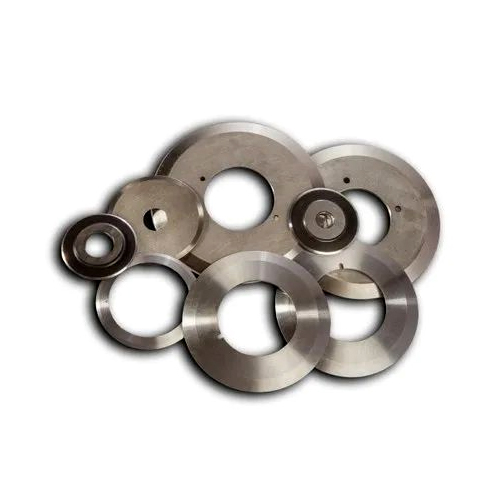
Industrial slitter knives are circular or straight cutting blades used in slitting machines to cut large rolls or sheets of material into narrower strips. These knives are engineered to maintain sharpness and cutting precision during continuous industrial operations.
Slitter knives are commonly used in industries where materials need to be processed into specific sizes. Their primary function is to provide accurate and consistent cuts without damaging the material or slowing down production.
These knives are available in various shapes, sizes, and materials depending on the application and the type of material being processed.
Importance of Slitter Knives in Manufacturing
Slitter knives are essential for manufacturers because they directly impact product quality and operational efficiency. Poor-quality blades can lead to rough edges, inconsistent cuts, machine downtime, and excessive waste.
High-quality industrial slitter knives help manufacturers achieve:
- Smooth and clean cutting results
- Faster production speeds
- Reduced material waste
- Lower maintenance costs
- Improved machine performance
- Longer blade lifespan
- Consistent product quality
In modern manufacturing environments, precision is critical. Reliable slitter knives ensure that production lines continue operating efficiently while maintaining strict quality standards.
Common Types of Industrial Slitter Knives
Different manufacturing applications require different types of slitter knives. Understanding the available options helps manufacturers select the most suitable cutting solution.
Circular Slitter Knives
Circular slitter knives are one of the most commonly used blade types in industrial applications. These round blades rotate during cutting and are ideal for high-speed production lines.
They are widely used for cutting:
- Paper
- Plastic films
- Aluminum foil
- Textile materials
- Flexible packaging
Circular slitter knives offer excellent precision and smooth cutting performance.
Straight Slitter Knives
Straight slitter knives are flat blades commonly used for shearing and trimming operations. These knives are often found in industries that process rubber, foam, textiles, and thick materials.
They provide strong cutting power and are suitable for applications requiring straight-line cutting.
Razor Slitter Blades
Razor slitter blades are extremely sharp and thin blades designed for lightweight materials. They are often used in film, foil, and paper converting industries.
These blades deliver highly precise cuts with minimal pressure on delicate materials.
Crush Cut Slitter Knives
Crush cut slitter knives work by applying pressure to crush and cut the material against a hardened surface. These knives are suitable for softer materials such as paper, nonwoven fabrics, and foam.
They are cost-effective and commonly used in packaging applications.
Materials Used in Slitter Knives
The performance and durability of slitter knives depend heavily on the materials used during manufacturing. Different materials offer varying levels of hardness, wear resistance, and cutting efficiency.
Tool Steel
Tool steel is widely used for general industrial cutting applications. It provides good durability, toughness, and cutting performance at an affordable cost.
High-Speed Steel (HSS)
High-speed steel slitter knives are known for their excellent heat resistance and edge retention. These knives are ideal for high-speed operations where consistent cutting performance is required.
Carbide
Carbide slitter knives offer exceptional hardness and wear resistance. They are commonly used for demanding applications involving abrasive materials or continuous high-volume production.
Although carbide blades are more expensive, they provide longer service life and reduced downtime.
Stainless Steel
Stainless steel blades are preferred for applications where corrosion resistance is important, such as food processing and medical material manufacturing.
Industries That Use Slitter Knives
Industrial slitter knives are used across a wide range of manufacturing industries. Each industry has unique cutting requirements that demand specialized blade designs.
Paper Industry
Paper manufacturers use slitter knives to cut paper rolls into smaller widths for printing, packaging, and labeling applications.
Plastic Industry
Plastic converting companies rely on slitter knives to process films, sheets, laminates, and flexible packaging materials.
Metal Processing
Metal slitting operations require durable blades capable of cutting steel, aluminum, copper, and other metals with high precision.
Textile Industry
Textile manufacturers use slitter knives for cutting fabrics, fibers, and nonwoven materials during production.
Packaging Industry
Packaging companies depend on slitter knives for converting packaging materials into custom sizes for various commercial applications.
Factors to Consider When Choosing Slitter Knives
Selecting the right slitter knives is essential for achieving optimal production results. Manufacturers should evaluate several factors before making a purchase.
Material Compatibility
Different materials require different blade properties. Harder materials may require carbide blades, while softer materials may perform well with standard tool steel knives.
Cutting Precision
Precision is critical in many industries. Manufacturers should choose blades that provide clean, burr-free cuts with minimal material deformation.
Blade Hardness
Blade hardness affects wear resistance and cutting performance. Harder blades last longer but may be more brittle under extreme pressure.
Machine Compatibility
Slitter knives must be compatible with the specific slitting machine being used. Proper sizing and mounting are important for safe and efficient operation.
Production Speed
High-speed manufacturing environments require blades that can maintain sharpness and stability during continuous operation.
Benefits of High-Quality Slitter Knives
Investing in premium slitter knives provides long-term advantages for manufacturers.
Improved Productivity
Sharp and durable blades reduce downtime caused by blade replacement and machine maintenance.
Better Product Quality
Consistent cutting performance helps manufacturers maintain high-quality standards and reduce defective products.
Lower Operating Costs
Long-lasting blades reduce replacement frequency and minimize maintenance expenses over time.
Reduced Material Waste
Precise cutting reduces scrap material and improves overall production efficiency.
Enhanced Worker Safety
Properly manufactured slitter knives improve operational safety by reducing cutting errors and blade failures.
Slitter Knife Maintenance Tips
Regular maintenance is essential for maximizing the lifespan and performance of industrial slitter knives.
Keep Blades Clean
Dust, adhesive residue, and debris can affect cutting performance. Cleaning blades regularly helps maintain sharpness and efficiency.
Inspect for Wear
Manufacturers should inspect blades frequently for signs of wear, chipping, or dull edges.
Proper Sharpening
Professional sharpening restores blade performance and extends service life. Over-sharpening should be avoided to prevent weakening the blade.
Store Correctly
Slitter knives should be stored in dry, protected environments to prevent corrosion and accidental damage.
Use Proper Operating Settings
Incorrect machine settings can damage blades quickly. Maintaining proper pressure, speed, and alignment helps preserve blade quality.
Custom Slitter Knife Solutions
Many manufacturers require customized slitter knives designed for specific applications. Custom solutions can include:
- Unique blade dimensions
- Specialized coatings
- Custom edge profiles
- Enhanced wear resistance
- Industry-specific designs
Working with experienced slitter knife manufacturers allows businesses to obtain cutting tools tailored to their production needs.
Future Trends in Slitter Knife Technology
Industrial cutting technology continues to evolve as manufacturers seek greater efficiency and precision.
Modern slitter knives are increasingly designed with advanced coatings, improved materials, and precision engineering techniques. Automated sharpening systems and smart manufacturing technologies are also becoming more common in industrial operations.
Sustainability is another growing focus. Manufacturers are investing in longer-lasting blades that reduce waste and improve energy efficiency during production.
As industries continue to demand higher productivity and tighter tolerances, slitter knife technology will remain an important part of advanced manufacturing systems.
Conclusion
Industrial slitter knives are essential tools in modern manufacturing operations. From paper and plastic processing to metal and textile production, these precision cutting tools help manufacturers achieve accurate cuts, improved productivity, and reduced waste.
Choosing the right slitter knives requires careful consideration of material type, blade design, machine compatibility, and production requirements. High-quality blades not only improve operational efficiency but also reduce long-term maintenance and replacement costs.
With proper maintenance and the right blade selection, manufacturers can maximize the performance and lifespan of their slitter knives while maintaining consistent product quality. As industrial technology advances, slitter knives will continue playing a crucial role in supporting efficient and reliable manufacturing processes.