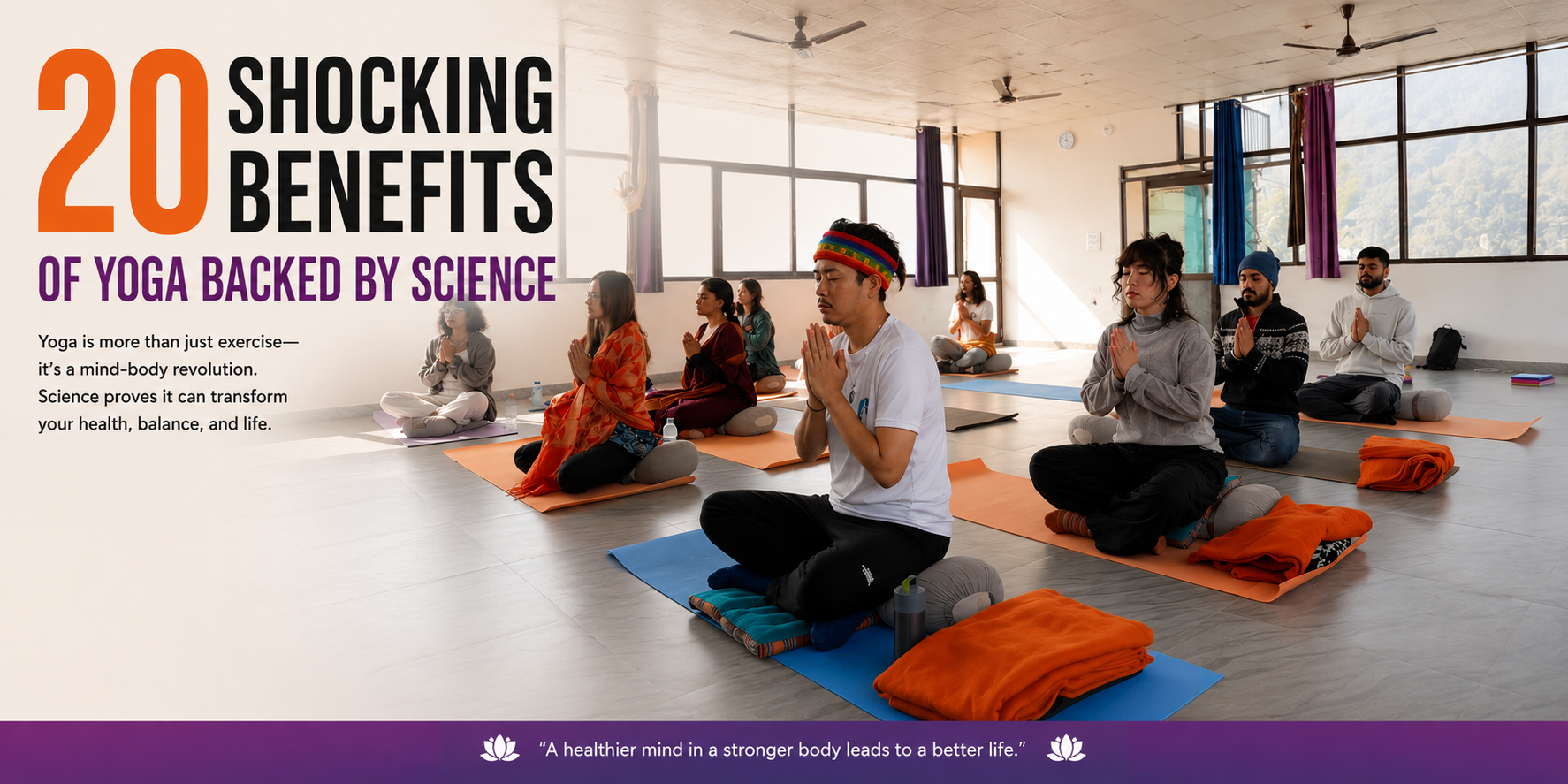
The need for natural stress relief, emotional balance, and better overall health is growing. Life feels heavier than it used to. People are tired, distracted, and honestly… a bit overwhelmed. That’s where meditation and peace of mind come into the picture. Not as a miracle fix, but as something simple that helps you slow down and reconnect. It’s not meant to replace medical care, but many people use it to relax, reset, and feel more grounded. In this guide, we’ll break down what meditation really is, different methods you can try, the benefits, and what a session might actually feel like.
What Is Meditation and How It Supports Peace of Mind
Meditation is a form of holistic practice focused on awareness. At its core, it’s about paying attention—to your breath, your thoughts, your body—without reacting to everything. The idea is simple: your mind is constantly active, but meditation helps you observe it instead of getting caught up in it. That shift alone can change how you experience stress, emotions, and even physical tension. Many people practicing meditation and peace of mind techniques report feeling calmer, less anxious, and more emotionally balanced. It’s not about stopping thoughts. It’s about not letting them control you.
Popular Meditation Techniques You Can Try
There’s no single “right” way to meditate. Different approaches work for different people. Here are some of the most common ones:
Mindfulness Meditation
This is probably the most accessible method. You focus on your breath and bring your attention back whenever your mind drifts. Simple, but not always easy.
Guided Meditation
In this approach, you follow a voice or audio guide. It can help beginners stay focused and relaxed without overthinking the process.
Body Scan Meditation
You slowly bring awareness to different parts of your body. It’s useful for releasing tension and improving mind-body connection.
Breathwork Meditation
Focused breathing patterns are used to calm the nervous system and improve focus. It’s especially helpful for stress and anxiety.
Visualization Meditation
You imagine calming scenes or positive outcomes. It sounds basic, but it can be powerful for emotional balance. Each of these supports meditation and peace of mind in its own way. Try a few. See what actually works for you.
Benefits of Meditation for Peace of Mind
Everyone’s experience is different, but there are some common outcomes people notice over time.
Stress Reduction
This is the big one. Meditation helps your nervous system slow down. You feel less reactive, less tense.
Emotional Balance
You start understanding your emotions instead of being overwhelmed by them. That alone brings a kind of calm most people don’t realize they’re missing.
Better Sleep
When your mind isn’t racing all the time, sleep becomes easier. Meditation helps create that mental quiet.
Improved Focus
Your attention gets stronger. You get distracted less. Things feel clearer.
Stronger Mind-Body Awareness
You become more aware of how your body reacts to stress, thoughts, and habits. That awareness leads to better choices. Meditation and peace of mind aren’t instant results. But over time, the changes are real.
What Happens During a Meditation Session
If you’ve never tried meditation, you might be wondering what actually happens. Most sessions are simple. You sit or lie down comfortably. Eyes closed or softly focused. No pressure. The environment is usually calm. Quiet space, maybe soft music, sometimes guided instructions. Sessions can last anywhere from 5 minutes to an hour. There’s no strict rule. You might feel relaxed. Or restless. Or even emotional. That’s normal. Some people notice warmth, tingling, or just a sense of calm. The goal isn’t to “feel something special.” It’s to be present. That’s it.
Is Meditation Safe for Everyone?
Yes, meditation is generally safe and non-invasive. It doesn’t require physical strain or complicated techniques. But it’s important to understand one thing: meditation and peace of mind practices are supportive tools. They are not replacements for medical or psychological treatment. If you’re dealing with serious physical or mental health conditions, it’s always best to consult a qualified professional. Meditation can work alongside proper care, not instead of it.
How to Choose the Right Meditation Approach
There’s no perfect method. Only what works for you. Still, a few things can help: Start simple. Don’t overcomplicate it. Try guided sessions if you struggle with focus. Notice how you feel after—not during. Avoid anything that feels forced or uncomfortable. The right practice is the one you’ll actually stick with.
Tips to Get the Most Out of Meditation
You don’t need a perfect setup, but a few small things help: Wear comfortable clothing. Sit somewhere quiet if possible. Don’t expect instant results. Stay consistent, even if it’s just a few minutes. Let go of the idea of doing it “perfectly.” Meditation and peace of mind grow from repetition, not perfection.
Making Meditation Part of Your Daily Life
You don’t need to block out hours. Start with five minutes a day. That’s enough. Over time, you can increase it if it feels right. You can also bring mindfulness into daily activities. Walking, eating, even working. Just pay attention to what you’re doing. That’s still meditation. The goal isn’t to escape life. It’s to experience it more clearly.
Final Thoughts
Meditation is simple, but not always easy. It asks you to slow down in a world that rewards speed. But if you stick with it, the benefits show up. Less stress. More clarity. A stronger sense of control over your own mind. Meditation and peace of mind aren’t about becoming perfect. They’re about becoming aware. And honestly, that’s where real change starts. If you’re ready to take that step, don’t overthink it. Visit Clear Path Journey to start your meditation practice today.
Frequently Asked Questions
What is meditation and how does it help with peace of mind?
Meditation is a practice of awareness that helps you observe your thoughts without reacting. Over time, it reduces stress and improves emotional balance.
Is meditation scientifically proven?
Research supports its benefits for stress reduction, focus, and emotional health. It’s widely used as a supportive wellness practice.
How often should I meditate?
Even 5–10 minutes daily can make a difference. Consistency matters more than duration.
Can meditation replace medical treatment?
No. Meditation supports overall well-being but should not replace professional medical care.
Who can benefit from meditation?
Anyone dealing with stress, anxiety, or mental fatigue can benefit. It’s especially helpful for people looking to improve focus and emotional balance.