

Pakistan Salt Companies for Food, Health, and Beauty Products
Pakistan sits on top of one of the largest salt deposits in the world, and that geological gift has quietly turned the country into a major player in the global salt trade. From the pink-hued crystals mined deep in the Punjab hills to the fine table salt found in kitchens everywhere, salt production here touches far more industries than most people realize. Understanding how salt companies in Pakistan operate — and what they actually produce — helps explain why this humble mineral has become such an important export commodity.
Whether you’re researching sourcing options, curious about the industry, or just trying to understand where your pink salt lamp came from, this guide walks through the essentials: how the industry is structured, what products come out of it, and why quality control matters so much in this space.
The Foundation: Pakistan’s Salt Mining Industry
A Geological Advantage Few Countries Share
The Khewra Salt Mine, located in the Punjab province, is often cited as one of the oldest and largest salt mines on earth. This single deposit, along with several smaller ones scattered across the Salt Range, gives Pakistan an unusually abundant and easily accessible supply of rock salt. Unlike countries that rely on evaporated sea salt or synthetic production methods, much of Pakistan’s salt comes straight out of ancient underground deposits formed millions of years ago.
This geological advantage is a big reason why so many salt companies in Pakistan have been able to scale their operations relatively quickly. The raw material is already there in enormous quantities — the challenge has always been refining, processing, and packaging it for different markets.
From Raw Rock to Refined Product
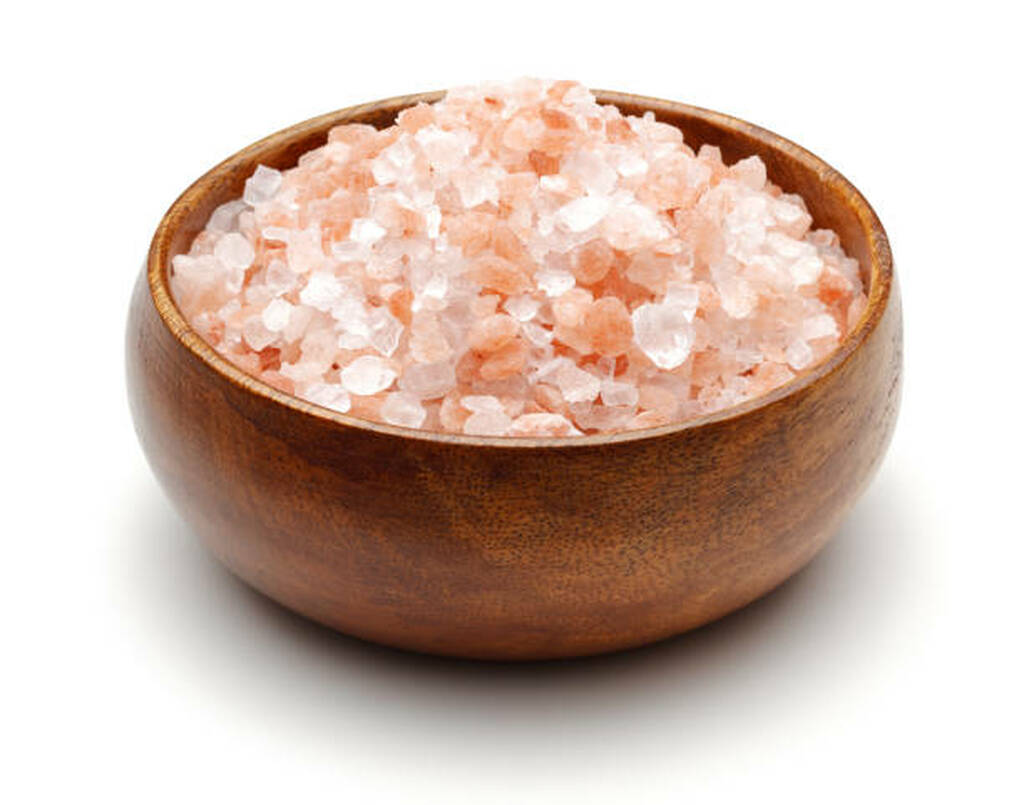
Mining is only the first step. Once extracted, rock salt goes through several stages before it becomes a finished product. It’s typically crushed, sorted by size and color, and washed to remove impurities. Depending on its intended use, it might be ground into a fine powder for table salt, left in larger chunks for cooking blocks and lamps, or processed further for pharmaceutical and cosmetic applications.
The variation in mineral content — trace amounts of iron oxide, magnesium, and other elements — is what gives Himalayan pink salt its distinctive color, ranging from pale pink to deep reddish-brown. This natural variability means processing standards matter a great deal, since inconsistent grading can affect both appearance and perceived quality in finished goods.
What These Companies Actually Produce
Food-Grade Salt Products
The most familiar category is food-grade salt. This includes fine table salt for everyday cooking, coarse grinding salt for use in mills, and specialty products like flavored or smoked salt blends. Food-grade salt has to meet specific purity and safety standards, since it’s intended for direct human consumption. That means rigorous washing, drying, and quality testing before packaging.
Beyond plain table salt, there’s also a growing market for culinary salt blocks — solid slabs used for grilling, chilling, or serving food. These have become popular in restaurants and home kitchens alike for their novelty and the subtle mineral flavor they can impart during cooking.
Health and Wellness Applications
Salt’s role in health and wellness products has expanded well beyond seasoning food. Bath salts, salt inhalers, and salt therapy products (sometimes called halotherapy) have all grown in popularity as people explore alternative wellness practices. Some spas and wellness centers even build entire rooms lined with salt bricks, marketed as a way to promote relaxation and support respiratory health, though scientific evidence for these specific health claims remains limited and mixed.
Salt is also used in traditional and folk remedies across South Asia, where it’s sometimes incorporated into skincare pastes, foot soaks, and other home treatments passed down through generations.
Beauty and Cosmetic Uses
The beauty industry has embraced salt as a natural exfoliant and skincare ingredient. Salt scrubs, marketed for their ability to slough off dead skin cells, are a common product derived from finely ground rock salt mixed with oils or other carrier ingredients. Salt is also used in some soap formulations, where it can act as a hardening agent and mild exfoliant simultaneously.
Decorative and functional home goods round out this category — think salt lamps, which are carved from larger chunks of rock salt and lit from within, and decorative salt bowls or serving dishes. These products lean more on aesthetic appeal than any proven functional benefit, but they’ve carved out a durable niche in home décor markets worldwide.
How the Industry Maintains Quality and Trust
Standards, Testing, and Certification
Because salt destined for food, health, or cosmetic use crosses into regulated territory, quality assurance is a serious matter. Reputable producers typically test for purity, mineral composition, and contamination before products leave the processing facility. Laboratory testing might check for heavy metals, moisture content, and particle size consistency, depending on the product’s end use.
International buyers, in particular, often require documentation proving compliance with food safety or cosmetic ingredient standards relevant to their home markets. This has pushed many salt companies in Pakistan to invest in more sophisticated testing and certification processes than would otherwise be strictly necessary for domestic sales alone.
Sustainable and Ethical Sourcing Considerations
As global consumers pay closer attention to where their products come from, sourcing practices have become part of the conversation around salt production. Questions about mining conditions, environmental impact, and fair labor practices are increasingly relevant to buyers who want more than just a good price.
Transparent supply chains — where the origin of the salt, the mining methods used, and the processing steps are clearly documented — tend to build more trust with international partners. This is especially true in the wellness and beauty sectors, where consumers often expect a story behind the ingredients they’re putting on their skin or in their homes.
Why This Industry Continues to Grow
Rising Global Demand for Natural Products
There’s a broader consumer shift happening toward natural, minimally processed ingredients across food, health, and beauty categories. Rock salt fits neatly into that trend since it requires relatively little processing compared to synthetic alternatives, and it carries a naturally appealing origin story tied to ancient mineral deposits.
This demand shift has created opportunities for salt companies in Pakistan to diversify beyond basic table salt into higher-value specialty products. Cosmetic-grade salt, wellness products, and decorative items often command better margins than bulk commodity salt, encouraging producers to invest in more refined processing and packaging.
A Resource With Long-Term Staying Power
Given the sheer scale of Pakistan’s salt reserves, this isn’t an industry likely to face resource scarcity anytime soon. The Khewra Salt Mine alone is estimated to contain enough reserves to last for generations at current extraction rates. That long-term availability, combined with steady global interest in natural mineral products, suggests the industry’s role in food, health, and beauty markets will likely keep expanding rather than shrinking.
Final Thoughts
Salt might seem like a simple, everyday mineral, but the industry built around it in Pakistan is anything but basic. From deep underground mining operations to specialized processing for food, wellness, and cosmetic markets, salt companies in Pakistan are tapping into one of the country’s most abundant natural resources in increasingly sophisticated ways. As global demand for natural ingredients continues to grow, this industry seems well-positioned to keep expanding its footprint across multiple consumer categories for years to come.


















Leave a Reply