

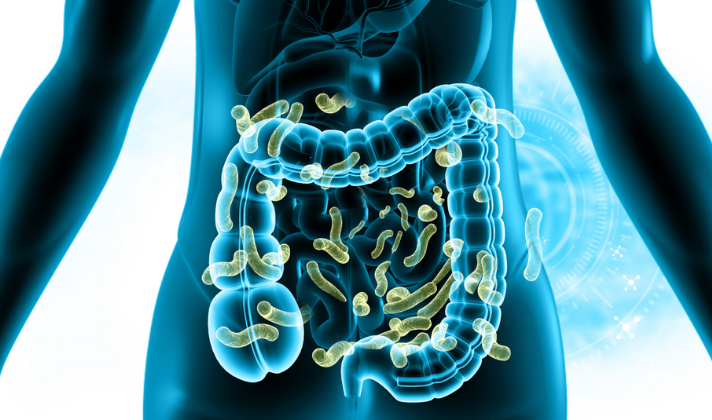
Starting a parasite cleanse can involve major changes to your normal routine.
Some people begin taking several herbal supplements at once. Others dramatically increase fiber, change their diet, introduce activated charcoal or other binders, or reduce certain foods.
When digestive symptoms appear afterward, an important question follows:
Is this a normal reaction to the cleanse, or is something going wrong?
Commonly reported parasite cleanse side effects include diarrhea, constipation, nausea, bloating, headaches, abdominal discomfort and fatigue.
However, experiencing these symptoms does not prove that parasites are dying or leaving the body.
A reaction may instead be caused by a supplement ingredient, excessive fiber, laxative effects, dietary restriction, dehydration, medication interactions or an unrelated gastrointestinal condition.
Understanding the difference is essential for anyone following a structured wellness routine.
Why Can a Parasite Cleanse Cause Side Effects?
A typical parasite-cleanse routine may alter several aspects of digestion simultaneously.
For example, someone might suddenly introduce:
- Wormwood
- Black walnut
- Clove
- Oregano
- Garlic extracts
- Psyllium husk
- Activated charcoal
- Probiotics
- Magnesium
- Restrictive dietary changes
Each of these changes can affect the body differently.
The National Center for Complementary and Integrative Health notes that some detox and cleanse programs include fasting, dietary restriction or laxatives and that these approaches can cause adverse effects such as diarrhea, dehydration and nutrient deficiencies.
Therefore, when symptoms appear during a cleanse, it is important to consider what has actually changed instead of automatically attributing every reaction to parasites.
1. Diarrhea During a Parasite Cleanse
Diarrhea is one of the most frequently discussed cleanse symptoms.
It may occur because of:
- Herbal ingredients
- Laxative products
- High magnesium intake
- Sudden dietary changes
- Increased fiber
- Food intolerance
- Infection
- Other gastrointestinal causes
NIDDK defines diarrhea as loose, watery stools and notes that infections, digestive disorders and medication side effects are among its many possible causes. (NIDDK – Diarrhea)
The important point is that diarrhea should not automatically be considered evidence that a parasite cleanse is working.
It may simply be a side effect.
When Does Diarrhea Become Concerning?
Short-lived mild digestive changes may occur when diet or supplements change.
However, prolonged or severe diarrhea can cause dehydration.
NCCIH specifically warns that diarrhea from detox programs can contribute to dehydration and malabsorption.
Possible dehydration symptoms include:
- Extreme thirst
- Dry mouth
- Less frequent urination
- Dark urine
- Dizziness
- Lightheadedness
- Fatigue
These signs are also identified by NIDDK’s dehydration guidance.
If diarrhea is significant or persistent, continuing a cleanse simply because the reaction is being described as “detoxification” can be counterproductive.
2. Constipation During a Parasite Cleanse
Not everyone develops diarrhea.
Some people experience exactly the opposite.
Constipation may appear after introducing:
- Activated charcoal
- Large amounts of fiber
- Psyllium without enough liquid
- Dietary restriction
- Reduced food intake
- Changes in normal bowel habits
This creates an important reminder: ingredients promoted as part of a cleanse do not automatically produce comfortable bowel movements.
If fiber intake increases, adequate hydration becomes especially important.
Adding more fiber while drinking insufficient fluid may worsen digestive discomfort rather than improve it.
3. Nausea
Nausea can occur when someone introduces unfamiliar or concentrated herbal ingredients.
It may also occur when supplements are taken:
- On an empty stomach
- In excessive amounts
- Together with several other products
- Alongside restrictive dieting
- With insufficient food or fluid
Nausea should not automatically be interpreted as a successful parasite reaction.
It is also a recognized potential adverse effect of dietary supplements more broadly.
The FDA advises consumers to remain alert to adverse reactions when using dietary supplements because supplement ingredients can have strong effects in the body.
4. Abdominal Cramping
Mild digestive discomfort can occur whenever diet, fiber or supplement intake changes substantially.
Possible causes include:
- Increased intestinal gas
- High fiber intake
- Laxative effects
- Food intolerance
- Supplement irritation
But significant or persistent abdominal pain should not simply be labelled a cleansing reaction.
FDA guidance on supplement adverse events lists severe or persistent abdominal pain among reactions that may warrant reporting and medical attention. (FDA – Reporting Supplement Problems)
5. Bloating and Gas
Bloating frequently appears in online lists of parasite-cleanse symptoms.
However, there are several simpler explanations.
Someone may suddenly consume:
- More vegetables
- More legumes
- Psyllium
- Chia seeds
- Flaxseed
- Probiotic foods
- Herbal supplements
Any major change in fiber or food intake can affect gas production and bowel habits.
Bloating alone therefore cannot establish whether parasites are present—or whether they are dying.
6. Headaches
Headaches are frequently described online as a parasite “die-off” symptom.
But headaches are extremely nonspecific.
During a cleanse, possible explanations may include:
- Dehydration
- Reduced calorie intake
- Caffeine withdrawal
- Dietary changes
- Poor sleep
- Supplement reactions
- An unrelated headache disorder
If someone dramatically restricts food, eliminates caffeine and develops diarrhea simultaneously, a headache has several plausible explanations before parasite die-off needs to be considered.
7. Fatigue
Fatigue is another commonly reported cleanse symptom.
Again, several possible causes exist.
A restrictive cleanse may result in:
- Lower calorie intake
- Lower carbohydrate intake
- Dehydration
- Poor sleep
- Diarrhea
- Changes in caffeine consumption
- Supplement effects
Feeling exhausted is not automatically proof that the body is eliminating parasites.
If fatigue becomes significant or persists, the underlying reason deserves attention.
What Are “Parasite Die-Off Symptoms”?
The phrase parasite die-off symptoms is often used to explain uncomfortable reactions after starting a cleanse.
Commonly claimed symptoms include:
- Headache
- Fatigue
- Brain fog
- Bloating
- Gas
- Nausea
- Diarrhea
- Constipation
- Skin changes
- Muscle discomfort
The difficulty is that none of these symptoms is specific enough to confirm parasite death.
They can occur with numerous dietary, gastrointestinal and supplement-related changes.
A person who starts four herbs, psyllium, charcoal and a highly restrictive diet simultaneously may feel very different within a few days.
But that does not reveal which change caused the symptoms.
Is Parasite Die-Off Scientifically Proven?
There are medically recognized inflammatory reactions associated with treatment of certain infections.
However, that does not mean every headache, bowel change or skin symptom occurring during an herbal cleanse is a scientifically confirmed parasite die-off reaction.
This distinction matters.
The phrase is often used so broadly online that virtually any unpleasant reaction can be reinterpreted as evidence that the cleanse is working.
That creates a potentially dangerous circular argument:
Feel good? The cleanse is working.
Feel bad? The parasites are dying, so the cleanse is still working.
A responsible wellness approach needs a way to recognize when something may actually be an adverse effect.
Side Effect vs “Die-Off”: How Can You Tell?
There is no home symptom checklist capable of proving that parasites are dying.
Instead, ask practical questions.
Did the symptom begin shortly after a new supplement?
That makes a product reaction worth considering.
Did you dramatically increase fiber?
Gas, bloating and changes in stool may result.
Are you drinking enough?
Diarrhea, fiber supplementation and dietary changes can increase hydration concerns.
Did you significantly reduce calories?
Fatigue, weakness or headaches may follow.
Are you taking medications?
Supplement interactions become relevant.
Is the symptom severe or getting worse?
That deserves more caution than simply assuming it is a beneficial reaction.
Can Herbal Supplements Cause Side Effects?
Yes.
The word herbal should not be confused with biologically inactive.
Plant-derived supplements contain compounds that can affect the body.
That biological activity is one reason people take them in the first place.
It is also why interactions and adverse effects are possible.
The FDA notes that some dietary supplements can have strong biological effects and may interact with medicines, interfere with laboratory tests or cause problems around surgery.
This applies to herbal cleanse products just as it does to other dietary supplements.
Medication Interactions During a Cleanse
Medication interactions deserve particular attention when multiple supplements are introduced.
The FDA explains that dietary supplements can alter the absorption, metabolism or excretion of medications, potentially changing how much medication the body receives.
This is especially relevant when a routine contains:
- Herbal extracts
- Activated charcoal
- Fiber supplements
- Minerals
- Several products taken simultaneously
A cleanse schedule found online cannot account for every person’s medication regimen.
Activated Charcoal Side Effects
Activated charcoal is often described as a binder in cleanse communities.
Its ability to adsorb certain compounds is well established in specific medical situations.
But that same binding ability creates potential problems around medications and other orally consumed substances.
Charcoal may also contribute to constipation in some people.
Taking more charcoal because bowel movements have changed during a cleanse may therefore worsen the problem rather than solve it.
Psyllium Husk Side Effects
Psyllium is a gel-forming fiber.
It can support bowel regularity, but rapidly increasing psyllium intake can lead to:
- Gas
- Bloating
- Abdominal fullness
- Changes in bowel movements
Adequate liquid intake is also essential because psyllium absorbs water.
A symptom appearing after introducing a large quantity of fiber may have a straightforward fiber-related explanation.
Probiotic Side Effects and Safety
Probiotics are often added either during or immediately after a cleanse.
Many people tolerate probiotics well, but they are not completely risk-free for everyone.
NCCIH notes that potential harmful effects can include infections in susceptible individuals, and probiotic quality can vary between products. (NCCIH – Probiotics)
This is another reason not to add multiple new products simultaneously without a clear purpose.
Can Restrictive Dieting Cause Cleanse Symptoms?
Yes.
A person who abruptly eliminates multiple food groups may consume significantly fewer calories or nutrients than usual.
Possible consequences may include:
- Weakness
- Fatigue
- Headache
- Hunger
- Lightheadedness
- Digestive changes
NCCIH warns that diets severely restricting calories or food types may not provide all necessary nutrients.
A parasite-cleanse diet therefore does not need to become an extreme elimination diet.
Dehydration: One of the Most Important Risks
Dehydration deserves particular attention because several cleanse practices can contribute to it at the same time.
These include:
- Diarrhea
- Laxatives
- Restrictive eating
- Inadequate fluid intake
- Increased exercise
- High fiber intake without sufficient liquids
NIDDK identifies symptoms such as extreme thirst, dry mouth, reduced urination, fatigue, dark urine and lightheadedness as possible indicators of dehydration.
Severe dehydration requires medical attention.
When Should You Stop a Parasite Cleanse?
There is no universal rule that every minor digestive change requires stopping every supplement.
However, certain reactions should not simply be pushed through because someone online called them die-off.
Stop self-experimentation and seek appropriate medical advice when significant symptoms develop, especially:
- Severe or persistent vomiting
- Severe or persistent diarrhea
- Significant abdominal pain
- Blood in stool
- Fainting
- Shortness of breath
- Swelling of the lips, tongue or throat
- Difficulty breathing
- Very dark urine or reduced urination
- Yellowing of the skin or eyes
FDA adverse-event guidance specifically lists severe persistent nausea, vomiting, diarrhea or abdominal pain; breathing difficulties; swelling; abnormal bleeding and other serious symptoms as reasons for concern.
What If Symptoms Continue After Stopping the Cleanse?
Persistent symptoms deserve evaluation.
The underlying cause could be unrelated to the supplement routine.
For example, diarrhea and abdominal symptoms can result from:
- Infection
- Food intolerance
- Irritable bowel syndrome
- Inflammatory digestive conditions
- Medication effects
- Numerous other causes
Continuing to rotate through herbal cleanse products may obscure the original problem.
What If You Actually Suspect a Parasite?
If symptoms or exposure history create a genuine concern about parasitic infection, testing provides much stronger information than cleanse symptoms.
The CDC explains that parasitic diseases can be diagnosed through methods including stool examinations, blood tests, imaging and other procedures depending on the suspected organism.
For intestinal parasites associated with diarrhea and gastrointestinal illness, stool ova-and-parasite examination is one possible diagnostic approach.
The CDC notes that three or more stool specimens collected on separate days may sometimes be recommended because parasite detection can be intermittent.
That is much more reliable than deciding that nausea or unusual stool proves an infection.
Are Parasite Cleanse Symptoms Proof the Cleanse Worked?
No symptom alone can reliably demonstrate that.
Consider diarrhea.
If diarrhea appears after starting a cleanse, several interpretations are possible:
- A supplement caused diarrhea.
- A laxative ingredient caused diarrhea.
- Dietary changes caused diarrhea.
- An infection caused diarrhea.
- Another digestive problem caused diarrhea.
Simply choosing the explanation “parasites are leaving” does not make it correct.
The same logic applies to headaches, fatigue, bloating and constipation.
What About Changes in Stool?
Cleanse routines can significantly change stool appearance.
Psyllium may create gel-like material.
Higher vegetable intake may increase visible plant fibers.
Activated charcoal can darken stool.
Changes in bowel transit may increase visible mucus.
Therefore, unusual stool should not automatically be interpreted as worms.
If identifying a parasite is medically important, laboratory testing is more reliable.
CDC diagnostic resources describe microscopy, antigen testing and molecular techniques used to identify intestinal parasites. (CDC DPDx)
How to Reduce the Chance of Cleanse Side Effects
A more conservative approach may make a wellness routine easier to evaluate.
Avoid Starting Everything at Once
Introducing six new products on the same day makes it almost impossible to know what caused a reaction.
Follow Product Directions
Do not automatically double doses because you want faster results.
Maintain Adequate Nutrition
Extreme dietary restriction can contribute to weakness and nutritional problems.
Stay Hydrated
This becomes especially important with diarrhea or increased fiber intake.
Consider Medication Timing
Supplements may interact with prescription and nonprescription medicines.
Monitor Symptoms Objectively
Do not automatically label every unpleasant reaction “die-off.”
Can You Make a Parasite Cleanse Safer?
No supplement routine can be made risk-free.
However, several basic principles can reduce unnecessary risk.
Know what each product contains.
Understand why each ingredient is being used.
Avoid unnecessarily high doses.
Do not treat “natural” as a synonym for harmless.
Be cautious when combining multiple supplements.
Pay attention to hydration and nutrition.
Consider your medications and health conditions.
And distinguish general wellness supplementation from treatment of actual disease.
A structured product such as Paragon Cleanse may provide specific usage directions, but individual health circumstances still matter.
Who Should Be Especially Cautious?
Extra caution is appropriate for people who:
- Take prescription medication
- Have significant chronic medical conditions
- Have kidney or liver problems
- Have serious gastrointestinal disorders
- Are preparing for surgery
- Are pregnant or breastfeeding
- Have experienced previous supplement reactions
FDA consumer guidance specifically recommends discussing supplement use with healthcare professionals because supplements may interact with medicines and may be inappropriate in certain situations.
Common Parasite Cleanse Side-Effect Mistakes
Mistake 1: Assuming Diarrhea Means the Cleanse Is Working
Diarrhea is also a side effect and can cause dehydration.
Mistake 2: Calling Every Headache “Die-Off”
Dehydration, caffeine withdrawal and calorie restriction are alternative explanations.
Mistake 3: Ignoring Severe Symptoms
A cleanse is not a reason to disregard significant abdominal pain, persistent vomiting or allergic symptoms.
Mistake 4: Increasing the Dose When You Feel Worse
Worsening symptoms may mean less exposure is needed—not more.
Mistake 5: Starting Too Many Supplements Together
This makes identifying adverse reactions difficult.
Mistake 6: Ignoring Medication Interactions
Supplements can change how some medicines behave in the body.
Mistake 7: Diagnosing Parasites From Symptoms Alone
Confirmation may require appropriate stool or other laboratory testing.
Frequently Asked Questions
What are common parasite cleanse side effects?
Possible reactions can include diarrhea, constipation, nausea, bloating, abdominal discomfort, headaches and fatigue. These symptoms are not proof that parasites are being eliminated.
Is diarrhea normal during a parasite cleanse?
Diarrhea can occur during cleanse programs, particularly when laxative products or major dietary changes are involved. It should be viewed as a possible side effect rather than automatic evidence of successful detoxification.
How long do parasite cleanse side effects last?
There is no universal timeline. Duration depends on the cause of the symptom, ingredients used, dose, diet and individual response.
What are parasite die-off symptoms?
The term is often used for headaches, fatigue, nausea, bowel changes and similar symptoms occurring during a cleanse. These symptoms are nonspecific and cannot independently confirm that parasites are dying.
Is nausea a normal parasite-cleanse reaction?
Nausea may occur after starting supplements, but it can also indicate poor tolerance or another problem. Persistent or severe nausea should not simply be ignored.
Why am I constipated during a parasite cleanse?
Possible contributors include activated charcoal, insufficient hydration, major dietary changes or improperly introduced fiber supplements.
Can a parasite cleanse cause dehydration?
Yes, particularly when diarrhea, laxatives, restrictive diets or inadequate fluid intake are involved. NCCIH identifies dehydration as a possible complication of some cleanse programs.
Can herbal cleanse supplements interact with medication?
Yes. FDA guidance states that certain dietary supplements can change medication absorption, metabolism or excretion.
When should I stop a parasite cleanse?
Severe or persistent vomiting, diarrhea, abdominal pain, breathing difficulty, swelling, fainting, abnormal bleeding or other serious symptoms warrant stopping self-treatment and seeking appropriate medical guidance.
How can I know whether I actually have parasites?
Symptoms alone cannot reliably confirm an infection. CDC guidance describes stool exams and other diagnostic tests chosen according to the suspected parasite and symptoms.
Final Thoughts
Understanding parasite cleanse side effects requires more than deciding whether a symptom is “normal.”
Diarrhea can lead to dehydration.
Constipation can result from fiber, charcoal or inadequate fluid.
Nausea may represent poor tolerance to an ingredient.
Headaches may result from dehydration, caffeine withdrawal or dietary restriction.
Fatigue may simply reflect inadequate calorie intake.
None of these symptoms automatically proves that parasites are dying.
For people using Paragon Cleanse or another structured digestive-wellness routine, the safest approach is to monitor reactions objectively, follow product directions, maintain adequate food and fluids and avoid introducing unnecessary numbers of supplements simultaneously.
Most importantly, persistent symptoms should not become evidence for continuing a cleanse indefinitely.
If a true parasitic infection is suspected, the CDC describes established diagnostic procedures—including stool testing in many gastrointestinal cases—that can determine whether parasites are actually present.
A useful wellness routine should help you make better-informed decisions about your body.
It should never require you to reinterpret every adverse reaction as proof that the product is working.




















Leave a Reply