

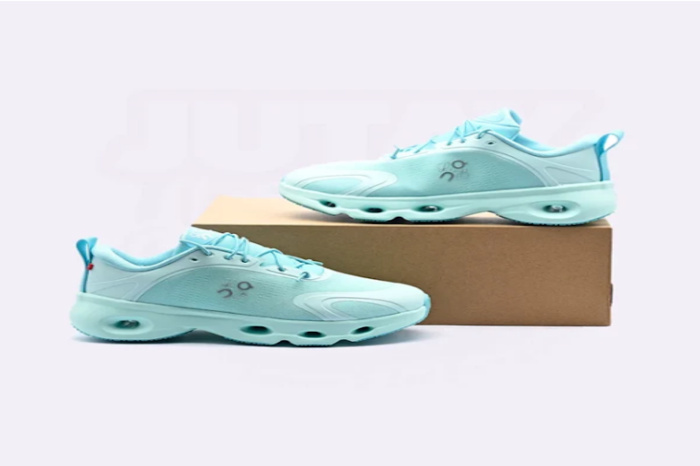
Buying footwear online can be convenient, but it can also make it difficult to judge quality before placing an order. Product photographs may look impressive, yet small details such as stitching, material consistency, sole construction, sizing, and finishing can make a major difference once the shoes are actually worn. This is why qc shoes has become a popular search term among shoppers who want to understand quality checks before purchasing footwear.
In simple terms, QC means “quality control.” In footwear discussions, it usually refers to examining a pair of shoes for visible manufacturing issues, inconsistencies, construction problems, or other details that could affect appearance and usability. A good quality check does not necessarily mean looking for a completely flawless pair. Instead, it means identifying meaningful defects and separating them from minor imperfections.
For online shoppers, learning how to perform a basic quality inspection can lead to more informed purchasing decisions. It can also help buyers understand the difference between appearance, construction quality, authenticity, and overall value.
What Are QC Shoes?
The phrase qc shoes does not describe a specific type of footwear. Instead, it is commonly used when people discuss the quality-control process surrounding shoes.
A quality check may involve examining high-resolution photographs of a pair before purchase. Shoppers may inspect the toe shape, stitching, panels, logos, sole alignment, material texture, and other visible characteristics. In other situations, QC refers more broadly to professional manufacturing inspections carried out during footwear production.
Manufacturers typically have quality-control procedures to maintain consistency between products. These procedures can identify defects involving materials, adhesives, stitching, sizing, finishing, and structural components.
For consumers, the same basic principle applies on a smaller scale: inspect the product carefully and determine whether the quality matches expectations.
Why Quality Checking Matters Before Buying
Online footwear purchases remove an important part of the traditional shopping experience: physically examining the product.
When shopping in person, customers can hold a shoe, bend it, examine the stitching, compare both shoes, feel the materials, and try it on. Online shoppers often have to rely on photographs, descriptions, reviews, and measurements.
A careful quality check helps reduce some of that uncertainty.
It is particularly useful when purchasing expensive footwear, limited-release products, performance shoes, or products from unfamiliar sellers. A few minutes spent researching construction and sizing can prevent a disappointing purchase later.
The Growing Trend Toward Detailed Shoe Inspection
Modern footwear shoppers are becoming more informed. Instead of judging a product only by its appearance, many consumers now investigate how it is made and how it is likely to perform.
Some of the strongest footwear-shopping trends include:
- Greater interest in detailed product photography
- Increased attention to materials and construction
- More comparison of measurements before purchasing
- Growing awareness of manufacturing inconsistencies
- Greater reliance on independent customer experiences
- Increased interest in durability and cost per wear
- More attention to seller reputation and return policies
This shift is positive because it encourages buyers to make decisions based on evidence rather than marketing alone.
7 Important Quality Checks for Shoes
A useful inspection should be systematic. Looking at one attractive photograph is rarely enough to determine whether a pair is genuinely well made.
1. Examine the Materials
Start by examining the materials used throughout the shoe. Depending on the design, footwear may contain leather, synthetic materials, mesh, textile, rubber, foam, or several different components.
Look for consistency in texture, color, and finishing. Materials should generally appear appropriate for the product description and intended use.
Unusual discoloration, excessive surface marks, cracking, or poorly finished edges may indicate a problem. However, small variations are not automatically defects. Natural materials can have slight differences in texture and appearance.
The important question is whether the variation is reasonable for the material and whether it affects the shoe’s usability.
2. Inspect the Stitching
Stitching provides valuable information about construction quality.
Check whether the stitches appear reasonably straight and evenly spaced. Examine areas around the toe box, heel, tongue, panels, and other seams where several pieces of material meet.
A few loose threads may be cosmetic and easy to remove. Excessive loose stitching, broken threads, or visibly weak seams deserve more attention because they may affect durability.
The goal is not to demand machine-perfect stitching. Instead, look for consistency and signs of secure construction.
3. Compare the Shape of Both Shoes
Place the left and right shoes side by side and compare them.
Look at the toe box, heel, collar, tongue, panels, and overall silhouette. Significant differences in shape may indicate manufacturing inconsistencies.
Symmetry is particularly important for structured sneakers and performance footwear because the shape can influence both appearance and fit.
A small difference is not necessarily serious, but obvious asymmetry should prompt further investigation.
4. Check the Sole and Adhesive
The outsole is one of the most important functional components of a shoe because it receives repeated contact with the ground.
Inspect the connection between the upper and sole. Look for visible separation, excessive adhesive, uneven bonding, gaps, or areas that appear poorly attached.
Some adhesive marks can occur during normal manufacturing and may be purely cosmetic. However, substantial separation between components is more concerning because it can develop into a functional problem during regular use.
For footwear intended for sports or demanding activities, sole construction deserves particular attention.
5. Review the Size and Measurements
A shoe can be beautifully constructed and still be a poor purchase if it does not fit correctly.
Do not rely exclusively on the size printed on the box or shoe. Sizing can vary between manufacturers, models, and regions.
Whenever possible, compare the seller’s size chart with measurements from a pair of shoes that already fits you comfortably. Insole length, foot length, width, and overall shape can all influence comfort.
This is especially important when buying online because returning footwear may be inconvenient or expensive.
6. Evaluate the Finishing Details
Finishing includes many small details that contribute to the overall appearance of footwear.
Inspect the edges of panels, the alignment of components, the tongue, laces, heel area, printed elements, and interior finishing. Poor finishing may appear as uneven edges, inconsistent printing, excess material, or visible glue.
These details may not always affect performance, but they can provide useful evidence about manufacturing consistency.
A well-designed shoe should generally demonstrate reasonable attention to detail across the entire product.
7. Consider Comfort and Intended Use
Visual inspection has limits. A photograph cannot tell you everything about comfort.
A shoe designed for casual walking has different requirements from a running shoe, hiking shoe, basketball shoe, or work shoe.
Consider cushioning, flexibility, support, breathability, weight, outsole traction, and intended activity. A visually attractive shoe may not be suitable for a particular purpose.
This is why quality should always be evaluated in relation to how the footwear will actually be used.
QC Shoes and the Importance of Photographs
When consumers discuss qc shoes, photographs often play an important role. Detailed images can reveal issues that are difficult to notice in standard product listings.
Close-up photographs can help shoppers examine stitching, material texture, sole edges, panel alignment, and finishing. Comparing multiple angles can also reveal differences in shape that a single front-facing image may hide.
However, photographs have limitations.
Lighting can change how colors appear. Camera angles can make proportions look different. Image compression can hide small details, while carefully selected photographs may avoid showing problematic areas.
For this reason, photographs should be considered evidence rather than absolute proof of quality.
Whenever possible, buyers should combine visual information with measurements, product specifications, independent reviews, seller information, and return policies.
Quality and Authenticity Are Not the Same Thing
One of the most important points to understand is that quality does not automatically prove authenticity.
A product can have excellent stitching and attractive materials while still not being genuine. Conversely, an authentic product can occasionally leave a factory with a minor manufacturing flaw.
A quality inspection is therefore different from an authenticity verification.
Authenticity is better evaluated through reliable purchasing channels, documented product history, authorized sellers, appropriate authentication services, and other trustworthy evidence. Visual comparison can contribute to an assessment, but it should not be treated as a guaranteed authentication method.
This distinction becomes especially important when purchasing expensive or highly sought-after footwear.
How to Evaluate an Online Seller
The quality of the shoe is only one part of a safe purchase. The seller also matters.
Before buying, examine the seller’s reputation and policies. Look for clear product descriptions, realistic photographs, transparent pricing, understandable shipping information, and a reasonable return policy.
Be cautious when a seller creates unnecessary urgency or refuses to provide basic product information.
An unusually low price should also encourage research. A discount is not automatically suspicious, but a price dramatically below the normal market range deserves an explanation.
Customer reviews can be useful, but avoid relying on one review. Look for repeated patterns across multiple experiences. Consistent complaints about sizing, damaged products, poor communication, or difficult returns may provide more useful information than a single positive rating.
Common Mistakes Buyers Make
Even experienced shoppers can make mistakes when evaluating footwear online.
One common mistake is focusing entirely on appearance. A shoe can photograph beautifully while having poor fit or uncomfortable construction.
Another mistake is treating every small imperfection as a major defect. Manufacturing involves materials, machinery, human inspection, and finishing processes, so tiny variations can occur.
Some buyers also ignore measurements because they assume their usual size will always fit. Unfortunately, sizing can differ significantly between models.
A final mistake is assuming that a quality-looking product must be authentic. As discussed earlier, appearance alone cannot establish provenance.
A Better Approach to Shoe Quality Checking
The most effective approach combines several sources of information rather than depending on one feature.
Start with the overall design and materials. Then inspect construction details such as stitching and sole attachment. Compare both shoes for symmetry. Check sizing information carefully. Research the seller and read independent customer experiences.
After that, consider whether the shoe is appropriate for your intended use.
This process does not need to be complicated. The objective is simply to gather enough reliable information to make a sensible decision.
What the Future of Shoe Quality Control May Look Like
Footwear quality control is likely to become increasingly technology-driven.
Manufacturers already use advanced production and inspection systems, and future developments may make defect detection even more precise. Artificial intelligence, computer vision, automated measurements, digital product information, and improved supply-chain tracking could provide consumers with more detailed information.
For shoppers, this could mean greater transparency about materials, manufacturing, sizing, and product history.
However, technology should complement human judgment rather than completely replace it. A scanner can identify a visual inconsistency, but it cannot fully understand whether a particular shoe is comfortable for an individual’s foot or appropriate for a specific activity.
Frequently Asked Questions About QC Shoes
What does QC mean in shoes?
QC generally means “quality control.” In footwear discussions, it can refer to checking a pair for manufacturing defects, construction inconsistencies, material issues, or other visible problems.
Can a QC check prove that shoes are authentic?
No. A quality check can identify visible characteristics, but it cannot by itself guarantee authenticity. Reliable sourcing and appropriate authentication methods provide stronger evidence.
What should I check first?
Start with the overall condition, materials, stitching, sole attachment, symmetry, and sizing. Then consider seller reputation, reviews, and return policies.
Are small imperfections normal?
Minor cosmetic variations can occur during manufacturing. The important question is whether an imperfection affects appearance only or could influence comfort, durability, or safety.
Can photographs show shoe quality accurately?
Photographs can reveal many visible details, but they cannot fully demonstrate comfort, flexibility, durability, weight, or long-term performance. They should be combined with other information.
Final Thoughts
Understanding qc shoes is ultimately about becoming a more informed footwear buyer. Quality control is not simply a search for perfection; it is a practical way to identify meaningful problems and understand whether a product meets reasonable expectations.
The strongest evaluation considers materials, stitching, symmetry, sole construction, finishing, sizing, comfort, intended use, seller credibility, and authenticity separately. This balanced approach helps shoppers avoid focusing too heavily on one attractive photograph or one minor flaw.
Whether you are buying everyday sneakers or specialized footwear, careful research can make the purchasing process more confident and predictable. The better you understand what to inspect, the easier it becomes to recognize genuine value and choose shoes that suit both your needs and your budget.





















Leave a Reply