Indroduction
Quartz Marble is a term many homeowners hear when they want a marble look without the daily maintenance. People often confuse quartz, marble, and quartzite because showrooms and suppliers sometimes use similar “marble-look” labels. This guide explains what Quartz Marble usually means, how it compares to natural stone, where it performs best, what it costs, and how to choose the right slab and finish for long-term satisfaction.
What Is “Quartz Marble”?
In most cases, Quartz Marble refers to engineered quartz designed to mimic marble—usually with marble look quartz veining that feels elegant but stays easier to maintain. It is not the same as natural marble stone. Another source of confusion is quartzite slabs, which are natural stone and can also look like marble, but they behave differently.
Why the name confusion happens:
- Many buyers ask for a “marble look,” and sellers simplify labels
- Quartzite is sometimes incorrectly sold as quartz
- Some people call any white veined surface “marble”
Quartz vs Marble vs Quartzite (Quick Comparison)
Quartz Marble (engineered quartz) is a manufactured surface made from natural quartz minerals and resins. Marble and quartzite are natural stone.
- Composition: engineered stone countertop vs natural stone
- Porosity: quartz is non-porous countertop; marble is porous
- Stains: quartz offers stronger stain resistant surface; marble needs more care
- Scratches: quartz is durable; marble is softer; quartzite is often tougher
- Etching: marble can etch; quartz typically does not in the same way
- Heat: marble and quartzite handle heat better than most quartz; quartz still needs protection
- Maintenance: quartz is easier; marble needs sealing and careful cleaning
Best-fit:
- Quartz Marble: busy kitchens, rentals, modern homes
- Marble: luxury natural variation lovers
- Quartzite: natural “marble look” with stronger heat resistance
What Quartz Marble Looks Like (Styles & Finishes)
A major reason people choose Quartz Marble is appearance. It offers a clean base with consistent veining, often inspired by classic marble styles.
Popular style options:
- Veining: subtle, bold, dramatic, and bookmatched veining layouts
- Colors: white veined quartz, cream, grey veined quartz, beige, and black
- Finishes: polished quartz finish, honed quartz finish, and textured looks
- Thickness: standard and thick slab countertops
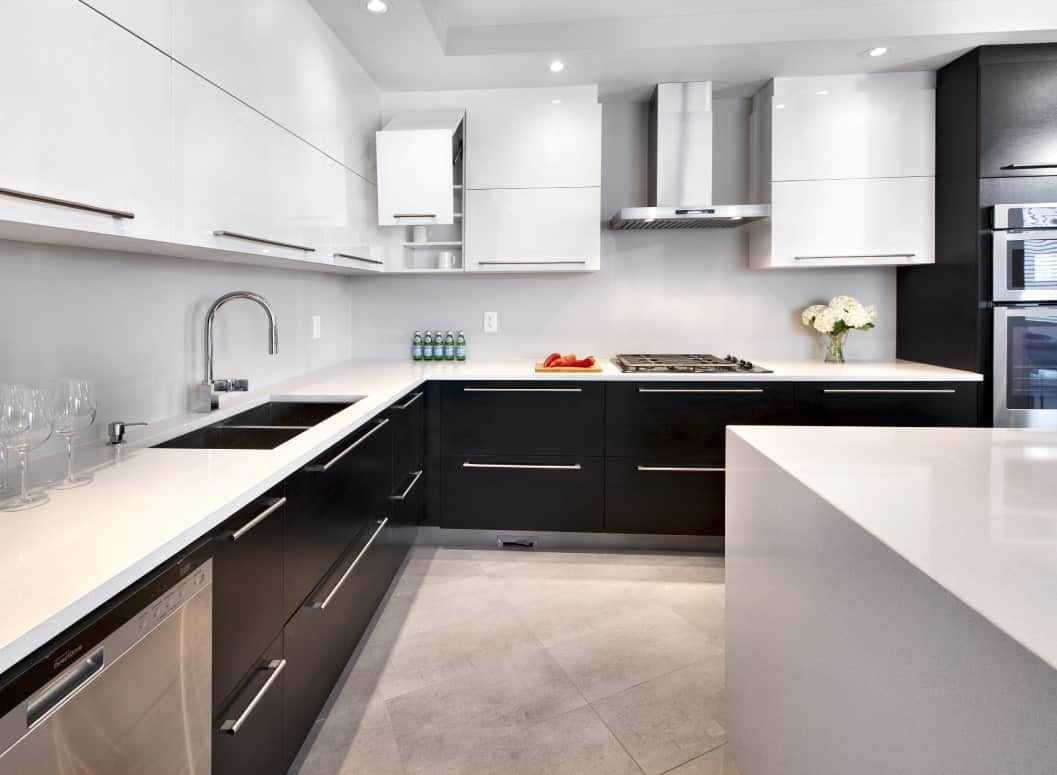
- Edges: edge profiles such as eased, bevel, ogee, and waterfall styles
Pros of Quartz Marble
Quartz Marble delivers the marble vibe with simpler daily living. For most families, that’s the main win.
Key advantages:
- Marble look with easier care
- Quartz is non-porous, improving spill tolerance
- More predictable patterns with consistent slab patterns
- Strong performance for busy kitchens and rentals
- Huge design variety, including modern and minimal aesthetics
- Often a dependable kitchen countertop material for high-use homes
Cons / Limitations to Know
Even though Quartz Marble is durable, it is not indestructible.
Main limitations:
- Heat sensitivity compared with some natural stones; use heat resistant trivets
- Edges can chip from sharp impacts; chip repair is possible
- Seams may be visible depending on layout and veining
- Some products can fade in sun; consider UV resistance for bright areas
- Some buyers feel it looks “too perfect” versus natural variation
Best Uses (Where Quartz Marble Works Best)
Quartz Marble shines in spaces where beauty and practicality both matter.
Best applications:
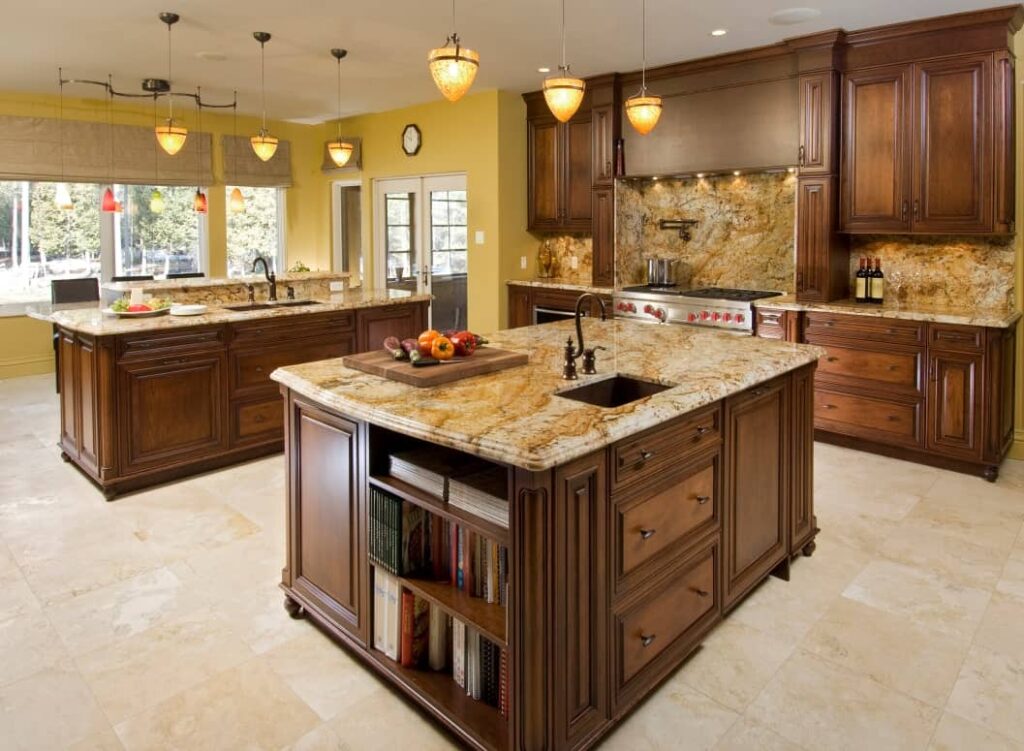
- quartz marble countertops in kitchens (popular because they stay consistent and easy to clean)
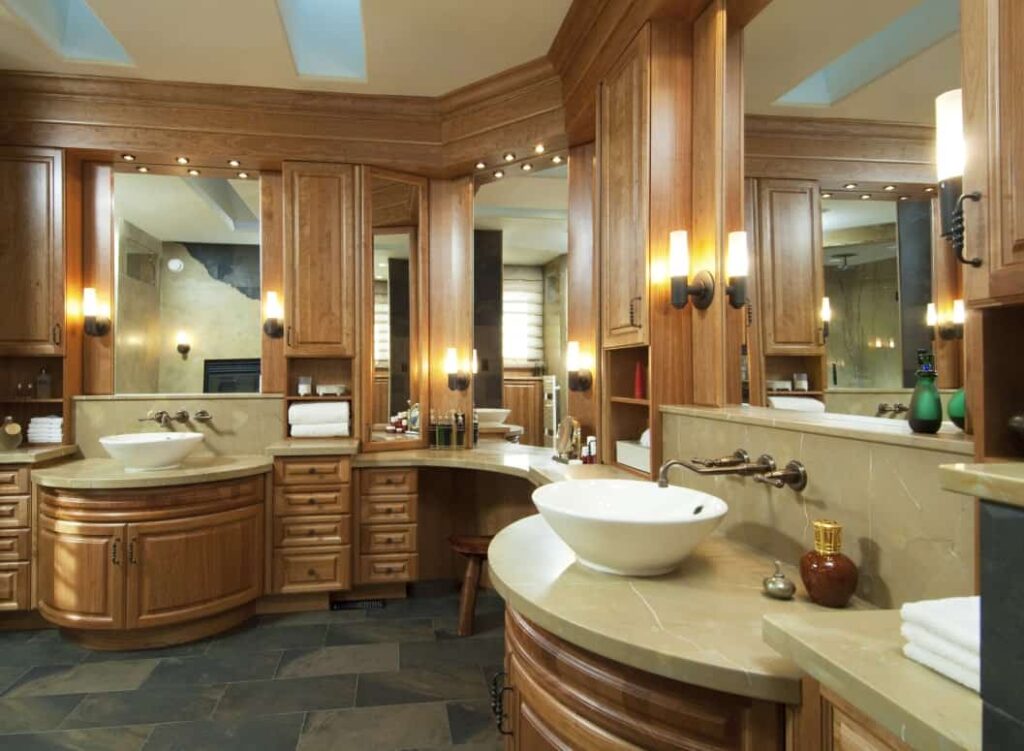
- bathroom vanity tops for a clean, premium look
- Shower surrounds (when the product and installation are suitable)
- full height backsplash and feature walls
- Reception desks and commercial interiors
- Flooring and staircases only if the selected product is rated for that use
Where Marble Still Wins (And Where Quartzite Might Be Better)
Some projects still favor natural stone:
- Heat-heavy cooking zones near hobs (quartz needs more heat care)
- Outdoor kitchens and sunny patios where UV is intense
- Clients who want one-of-a-kind natural stone variation
- When quartzite offers a natural marble look with improved durability
In these cases, marble or quartzite might be the right choice instead of Quartz Marble.
Cost Guide: Quartz Marble Price Factors
Quartz Marble pricing is influenced by design and fabrication details, not just slab choice.
What drives cost:
- Brand and design complexity (veining realism and uniqueness)
- Thickness and slab yield from jumbo slabs
- Fabrication: sink cutouts, hob cutouts, and mitred edges
- Upgrades like waterfall island sides
- Installation complexity and seam planning
- Project location and access difficulty
Budgeting tips:
- View full slabs, not just small samples
- Plan seams early for marble-look layouts
- Use practical edges if budget matters
How to Choose the Right Quartz Marble (Buyer Checklist)
Before buying Quartz Marble, it helps to confirm what is being supplied and how it will be installed.
Checklist:
- Confirm it is engineered quartz (not marble or quartzite)
- Ask about warranty terms and what voids the warranty
- Confirm heat and UV guidance for the specific product
- Review stain resistance instructions and approved cleaners
- Request slab viewing and check batch consistency
- Inspect samples under home lighting
- Plan seam placement and veining direction
Installation Tips That Affect the Final Look
Installation quality changes how Quartz Marble looks in real life.
Key tips:
- Accurate templating and measurement
- Seam placement planned around veining flow
- Vein matching and vein direction layout (including bookmatch if needed)
- Sink choice: undermount vs integrated; reinforce cutouts
- Correct support for overhangs with overhang brackets
- Professional sealing of joints and finishing for cleaner results
Care & Maintenance (Do’s and Don’ts)
Daily care for Quartz Marble is simple:
- Clean with mild soap and microfiber cloth
- Wipe spills early for best appearance
- Use cutting boards and avoid direct blade contact
- Use trivets for hot pans and appliances
Avoid:
- Harsh acids, abrasive pads, and strong high-pH cleaners
- Long exposure to direct heat
Sealing:
- Most quartz does not need sealing; it’s a no sealing required surface compared to marble
Common Problems & Troubleshooting
Common issues with Quartz Marble usually come from usage habits or product mismatch.
- Coffee/oil stains: use approved gentle cleaners; avoid harsh chemicals
- Dull spots/residue: often product buildup; adjust cleaning routine
- Edge chips: repairable by professionals
- Etching misconception: quartz doesn’t etch like marble in the same way
- Yellowing/fading: can be UV-related and product-specific
Quartz Marble Design Ideas (Inspiration)
Popular looks using Quartz Marble:
- White quartz marble with warm wood cabinets
- Grey-veined slabs with matte black fixtures
- A statement waterfall island
- Matching slab full height backsplash
- Mixed finishes: honed counters with glossy backsplash accents
FAQs
Is Quartz Marble real marble?
Usually no—Quartz Marble typically means engineered quartz designed to look like marble.
Quartz Marble vs marble: which is better for kitchens?
For busy kitchens, Quartz Marble is often easier due to stain resistance and low maintenance.
Does Quartz Marble stain or scratch?
It is generally stain resistant and durable, but it can still scratch under heavy abuse.
Can hot pans go on quartz?
It’s safer to use trivets because quartz can be heat sensitive.
Is Quartz Marble good for bathrooms/showers?
Yes for vanities and many wall applications; suitability depends on installation and product guidance.
Does quartz need sealing?
Most quartz does not—Quartz Marble is usually non-porous.
Can Quartz Marble be used outdoors?
Outdoor use depends on UV exposure and product rating; many quartz products are not ideal for full sun.
How much does Quartz Marble cost installed?
Cost depends on slab choice, thickness, cutouts, edges, and installation complexity.