

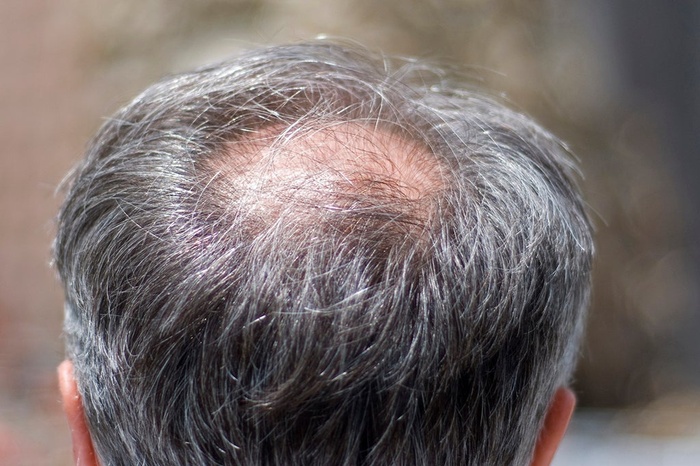
Experiencing disappointing results after a hair restoration procedure can be frustrating, especially when expectations are high. Understanding what to do if crown hair transplant fails is important for anyone seeking long-term hair coverage and natural-looking density. As interest in Crown hair transplants in Dubai continues to grow, many patients also want to know their options if the outcome does not meet expectations. Facilities such as Dynamic Clinic in Dubai have helped raise awareness about modern hair restoration solutions and the importance of proper treatment planning.
Understanding When a Crown Hair Transplant Is Considered Unsuccessful
A crown hair transplant is not always deemed unsuccessful simply because results appear slow. The crown area is one of the most challenging parts of the scalp to treat due to its unique hair growth pattern and the larger number of grafts often required.
Signs that may indicate a failed or unsatisfactory crown transplant include:
- Poor hair growth after the expected recovery period
- Patchy or uneven density
- Visible scalp despite adequate graft placement
- Unnatural hair direction or swirl pattern
- Significant graft loss during healing
- Continued hair thinning around the transplanted area
Since crown hair growth can take longer than other scalp regions, patients should allow sufficient time before assuming the procedure has failed.
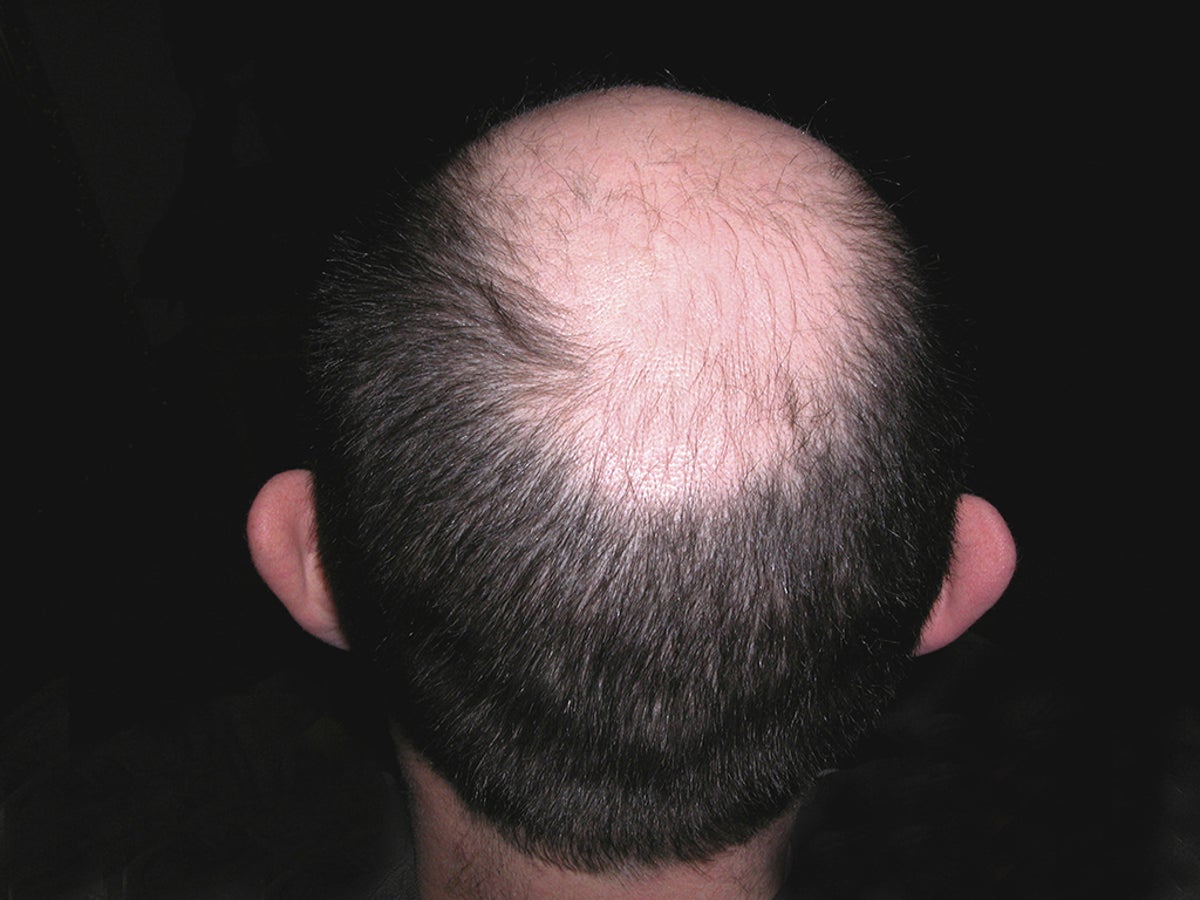
Common Reasons Why Crown Hair Transplants Fail
Identifying the underlying cause is the first step toward finding an effective solution.
Poor Graft Survival
Hair grafts are delicate and require careful handling throughout the transplantation process. If grafts become damaged before implantation or fail to establish a blood supply after placement, growth may be limited.
Factors that can affect graft survival include:
- Excessive handling of follicles
- Extended time outside the body
- Improper implantation techniques
- Smoking during recovery
- Inadequate post-procedure care
Insufficient Donor Hair
The crown typically requires a large number of grafts to create meaningful coverage. Patients with limited donor hair may not achieve the desired density in a single session.
This challenge becomes more noticeable in individuals with extensive hair loss patterns, where available donor resources must be distributed strategically across multiple areas of the scalp.
Ongoing Hair Loss
A transplant restores hair to specific areas but does not stop natural hair loss from progressing. Existing hair surrounding the transplanted crown may continue to thin over time.
This can create the appearance of a failed transplant even when the transplanted follicles themselves remain healthy and growing.
Poor Crown Design
The crown contains a natural spiral or whorl pattern that requires precise planning. Incorrect angling or placement can lead to an unnatural appearance, even if graft survival is good.
Creating a realistic crown requires careful attention to:
- Hair direction
- Growth angles
- Density distribution
- Swirl formation
Medical or Healing Factors
Certain health conditions can affect healing and hair growth after transplantation.
Examples include:
- Nutritional deficiencies
- Hormonal imbalances
- Scalp disorders
- Poor circulation
- Chronic stress
These factors may influence overall results and should be evaluated when growth appears inadequate.
Step 1: Be Patient With the Growth Timeline
One of the most important actions after a crown transplant is allowing adequate time for growth.
Hair restoration follows a gradual process. Newly transplanted follicles often shed before entering a resting phase. New growth typically begins several months later, with continued improvements developing over time.
The crown often matures more slowly than the front hairline because:
- Blood supply may be less robust
- The area covers a larger surface
- More grafts are needed to create density
- Hair grows in a complex circular pattern
Patients who judge results too early may mistakenly assume the procedure has failed.
Step 2: Schedule a Comprehensive Evaluation
If growth remains disappointing after the expected recovery period, a professional assessment becomes essential.
During an evaluation, specialists may examine:
- Graft survival rates
- Hair density
- Donor area condition
- Scalp health
- Ongoing hair loss progression
Photographic comparisons can help determine whether growth has occurred and identify specific areas that require attention.
Step 3: Investigate Underlying Causes
Understanding why the crown transplant produced suboptimal results is critical before considering corrective measures.
A detailed review may involve:
- Scalp examinations
- Medical history assessments
- Blood tests for nutritional deficiencies
- Hormonal evaluations
- Hair loss pattern analysis
Addressing underlying issues can improve the chances of success with any future treatment.
Step 4: Consider Non-Surgical Hair Restoration Support
In some cases, additional hair growth support may enhance the appearance of the crown without requiring another procedure.
Potential options may include:
- Hair growth therapies
- Scalp health treatments
- Nutritional support programs
- Hair preservation strategies
- Maintenance plans for surrounding native hair
These approaches may improve overall coverage while protecting existing hair from further thinning.
Step 5: Explore a Corrective Crown Hair Transplant
When density remains insufficient or the original design appears unnatural, a revision procedure may be considered.
A corrective crown transplant typically focuses on:
Increasing Density
Additional grafts can be strategically placed between existing hairs to improve fullness and reduce scalp visibility.
Refining Hair Direction
If the original crown pattern appears unnatural, careful graft placement may help recreate a more realistic swirl pattern.
Balancing Coverage
A revision procedure can address uneven growth and create a more consistent appearance across the crown area.
Success often depends on having enough healthy donor hair available and establishing realistic expectations before treatment.
Questions to Ask Before Pursuing a Revision Procedure
Patients considering corrective treatment should seek clear answers regarding their situation.
Helpful questions include:
- What caused the unsatisfactory result?
- Is additional growth still expected?
- How much donor hair remains available?
- Can the crown density realistically be improved?
- Are non-surgical options recommended first?
- What outcome can reasonably be achieved?
These discussions can help patients make informed decisions and avoid repeating previous mistakes.
How to Improve Success After a Corrective Procedure
Recovery habits play a significant role in maximizing graft survival and long-term growth.
Important recommendations may include:
- Following all aftercare instructions carefully
- Avoiding smoking during recovery
- Protecting the scalp from injury
- Maintaining a healthy diet
- Managing stress levels
- Attending scheduled follow-up appointments
Consistent care supports the healing process and helps create the best possible environment for transplanted follicles.
Preventing Future Crown Hair Transplant Problems
While no procedure can guarantee perfect results, several strategies may reduce the likelihood of complications.
Key preventive measures include:
- Choosing an experienced hair restoration provider
- Undergoing a detailed scalp assessment
- Establishing realistic expectations
- Addressing active hair loss before treatment
- Following recovery instructions closely
- Monitoring long-term hair health
Proper planning often has a major impact on final outcomes, particularly in the challenging crown region.
Conclusion
Knowing what to do if crown hair transplant fails can help patients approach the situation with confidence rather than frustration. An unsatisfactory result does not necessarily mean the end of the restoration journey. Careful evaluation, identification of underlying causes, supportive treatments, and corrective procedures can often improve the appearance of the crown significantly. With realistic expectations, proper medical guidance, and a personalized treatment strategy, many individuals can achieve better density, improved scalp coverage, and a more natural-looking result over time.


















Leave a Reply