In modern manufacturing industries, precision and efficiency play a critical role in maintaining productivity and delivering high-quality products. One of the most essential yet often overlooked components in industrial cutting systems is the slitter blade. These blades are widely used in industries such as metal processing, paper manufacturing, packaging, textiles, plastics, and converting operations. The sharpness of slitter blades directly affects cutting accuracy, machine performance, material quality, and overall operational costs.
Sharp slitter blades are not simply cutting tools; they are productivity enhancers that help industries achieve cleaner cuts, reduce downtime, and improve manufacturing consistency. When blades lose their sharpness, businesses often experience material waste, uneven edges, increased machine wear, and higher maintenance costs. Understanding the importance of sharp slitter blades can help manufacturers improve operational efficiency and maintain superior product quality.
Understanding Slitter Blades
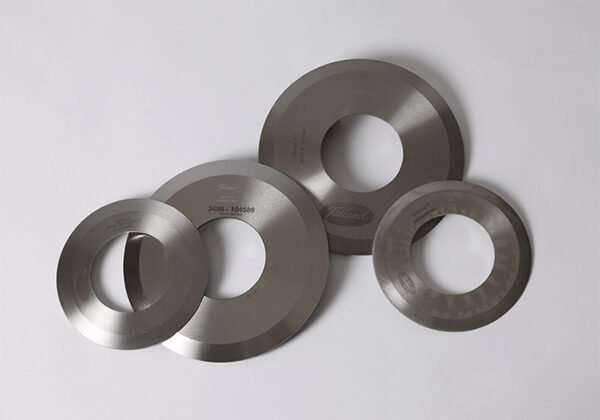
Slitter blades are circular or straight cutting tools designed to slit, trim, or cut materials into specific widths or shapes. These blades are commonly used in slitting machines that process large rolls of material into smaller and more manageable sizes. Depending on the application, slitter blades can cut materials such as:
- Steel and aluminum coils
- Plastic films
- Paper and cardboard
- Foils
- Rubber sheets
- Textiles and fabrics
- Adhesive tapes
Industrial slitter blades are manufactured using high-quality materials such as carbide steel, high-speed steel, tungsten carbide, and alloy steel to ensure durability and precision.
Importance of Sharp Slitter Blades
1. Improved Cutting Precision
One of the primary benefits of sharp slitter blades is precise cutting performance. In industrial manufacturing, even the smallest cutting error can result in defective products and material waste. Sharp blades create clean and accurate cuts without damaging the material edges.
For example, in metal slitting operations, dull blades may cause burr formation or rough edges, which can negatively impact product quality. Sharp slitter blades ensure smooth edges and consistent dimensions, helping manufacturers maintain strict quality standards.
Accurate cutting is especially important in industries where precision directly affects the final product’s performance, such as electronics, automotive, and packaging industries.
Reduced Material Waste
Material waste is a major concern for industrial manufacturers because it directly affects profitability. Dull slitter blades often tear, crush, or deform materials instead of slicing them cleanly. This leads to unusable products and increased scrap generation.
Sharp slitter blades minimize waste by ensuring efficient material separation and smooth cutting action. Manufacturers can maximize raw material utilization while reducing unnecessary losses. Lower waste also contributes to sustainable manufacturing practices and environmental responsibility.
Increased Production Efficiency
Production speed is essential for industries handling high-volume manufacturing. Sharp slitter blades allow machines to operate smoothly at optimal speeds without interruptions. When blades are sharp, cutting resistance is lower, which reduces machine strain and improves operational flow.
On the other hand, dull blades require more force to cut materials, slowing down production and increasing the chances of machine stoppages. Frequent blade replacement and machine adjustments can also reduce productivity.
By maintaining sharp slitter blades, manufacturers can improve workflow efficiency and meet production targets more effectively.
Better Product Quality
The quality of finished products heavily depends on the cutting performance of slitter blades. Sharp blades create smooth, uniform, and defect-free edges that enhance the appearance and functionality of products.
In packaging industries, clean cuts are essential for maintaining professional product presentation. In textile manufacturing, sharp blades prevent frayed edges and fabric damage. Similarly, in metal industries, smooth cuts reduce the need for additional finishing processes.
Consistent product quality helps businesses strengthen customer satisfaction and maintain a competitive advantage in the market.
Reduced Machine Wear and Tear
Sharp slitter blades reduce the amount of force required during cutting operations. This lowers the stress placed on slitting machines and related components such as shafts, bearings, and motors.
Dull blades create excessive friction and vibration, which can accelerate machine wear and increase maintenance costs. Over time, this can lead to expensive repairs and unexpected downtime.
Using sharp slitter blades helps extend machine lifespan and ensures smoother equipment operation. Preventive maintenance combined with proper blade sharpening can significantly improve machinery performance.
Lower Operational Costs
Although some manufacturers delay blade replacement to save money, using dull slitter blades often results in higher long-term costs. Poor cutting quality, increased waste, machine damage, and production delays can negatively affect profitability.
Sharp slitter blades help reduce operational costs in several ways:
- Lower material waste
- Reduced downtime
- Fewer machine repairs
- Improved production output
- Less energy consumption
Investing in high-quality and properly maintained slitter blades ultimately provides better returns for industrial businesses.
Enhanced Workplace Safety
Safety is a top priority in industrial environments. Dull slitter blades can create unstable cutting conditions that increase the risk of accidents and machine malfunctions. Excessive force during cutting may lead to sudden material movement or blade failure.
Sharp slitter blades provide controlled and stable cutting performance, reducing the likelihood of workplace injuries. Proper blade maintenance also ensures safer machine handling for operators.
Industries that prioritize sharp blade performance can create safer working environments while maintaining operational reliability.
Applications of Sharp Slitter Blades in Industries
Metal Processing Industry
In metal slitting operations, sharp blades are essential for producing burr-free edges and precise strip widths. High-quality cuts reduce secondary finishing requirements and improve production speed.
Paper and Packaging Industry
Sharp slitter blades help achieve clean paper edges and accurate roll sizes. This is important for printing quality, packaging appearance, and efficient material handling.
Plastic Film Industry
Plastic films require extremely precise slitting to avoid wrinkles, tearing, or uneven cuts. Sharp blades ensure smooth processing and high-quality film production.
Textile Industry
Textile manufacturers rely on sharp slitter blades to cut fabrics cleanly without fraying. Precision cutting improves product appearance and minimizes fabric waste.
Foil and Flexible Material Industry
Thin materials such as aluminum foil and flexible laminates require razor-sharp blades for accurate cutting. Sharp blades help maintain material integrity during high-speed operations.
Signs That Slitter Blades Need Sharpening or Replacement
Industrial operators should regularly inspect slitter blades to maintain cutting efficiency. Common signs of dull blades include:
- Rough or uneven cuts
- Increased burr formation
- Material tearing
- Excessive machine vibration
- Higher cutting resistance
- Increased scrap production
- Burn marks on materials
Ignoring these warning signs can lead to poor product quality and equipment damage.
Tips for Maintaining Sharp Slitter Blades
Proper maintenance is essential for maximizing blade performance and lifespan. Here are some effective maintenance practices:
Regular Inspection
Inspect blades frequently for wear, chips, cracks, or dull edges. Early detection helps prevent major operational issues.
Timely Sharpening
Schedule professional blade sharpening before blades become excessively worn. Proper sharpening restores cutting precision and extends blade life.
Correct Storage
Store slitter blades in clean and dry environments to prevent corrosion and damage.
Proper Machine Alignment
Incorrect machine setup can cause uneven blade wear. Ensure blades are properly aligned during installation.
Use the Right Blade Material
Different materials require specific blade types. Choosing the correct blade material improves cutting efficiency and durability.
Choosing High-Quality Slitter Blades
Selecting premium-quality slitter blades is essential for achieving long-term industrial performance. When purchasing slitter blades, manufacturers should consider factors such as:
- Blade material quality
- Hardness and durability
- Precision manufacturing standards
- Application compatibility
- Resistance to wear and corrosion
Working with trusted slitter blade manufacturers ensures access to reliable products designed for industrial requirements.
Future of Slitter Blade Technology
As industrial automation continues to grow, slitter blade technology is also evolving. Advanced coatings, precision grinding techniques, and high-performance materials are improving blade efficiency and durability.
Modern slitter blades are being designed to handle high-speed operations with greater precision and lower maintenance requirements. Smart manufacturing systems are also enabling predictive maintenance for blade performance monitoring.
These advancements will continue to improve productivity and reduce operational costs across industries.
Conclusion
Sharp slitter blades play a vital role in industrial applications by improving cutting precision, production efficiency, product quality, and machine performance. Industries that prioritize blade sharpness benefit from lower operational costs, reduced material waste, enhanced safety, and improved manufacturing consistency.
Whether in metal processing, packaging, textiles, or plastic manufacturing, maintaining sharp slitter blades is essential for achieving reliable and cost-effective operations. Regular maintenance, timely sharpening, and investment in high-quality blades can significantly improve industrial productivity and long-term business success.