

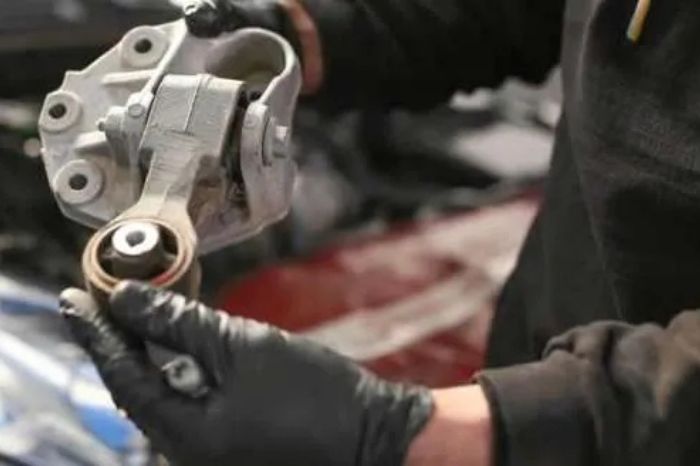
If you feel strange vibrations, you might need an engine mount replacement to fix your car. These sturdy brackets secure your motor to the vehicle chassis and absorb harsh road shocks. When they fail, you will likely notice excessive engine vibration shaking your entire cabin. Broken mounts also cause terrifying clunking noises from engine bays during sudden acceleration. Ignoring these warning signs leads to severe vehicle stability issues and costly mechanical damage. This comprehensive UK guide covers all the classic symptoms of damaged engine mounts so you can act quickly. Understanding these vital engine support components keeps your drive smooth, safe, and completely stress-free.
1. You Feel Excessive Engine Vibration
The most obvious sign of trouble is a violent shaking through the steering wheel. Safe driving requires reliable engine support components to absorb normal motor oscillations while idling. If the rubber perishes, excessive engine vibration travels directly into the passenger cabin. You will feel this intense trembling mostly when the car is stationary at traffic lights. A needed engine mount replacement becomes very obvious when the dashboard plastics start rattling loudly.
2. Strange Clunking Noises From the Engine Bay
Have you noticed sudden, metallic thuds when you shift your car into gear? These scary clunking noises from engine areas mean the motor is literally rocking out of sequence. When you accelerate hard, damaged engine mounts allow the heavy block to bounce around. This movement creates a loud banging sound as metal strikes against the inner vehicle frame. Booking an engine mount replacement prevents this shifting metal from crushing your expensive radiator hoses.
3. The Car Suffers From Vehicle Stability Issues
Faulty rubber dampeners do not just cause noise; they actively ruin your handling. Severe vehicle stability issues often occur because the engine’s weight shifts unexpectedly during cornering. This sudden weight transfer alters your centre of gravity and makes steering feel highly unpredictable. Replacing damaged engine mounts restores the balanced weight distribution your car needs for sharp turns. A stable motor ensures your vehicle tracks straight and true down winding British roads.
4. Visual Damage to the Engine Support Components
Sometimes, a quick look under the bonnet provides all the visual answers you need. Look closely at the engine support components to check the condition of the rubber bushings. Cracked, torn, or fluid-leaking rubber indicates that you have severely damaged engine mounts right now. If the metal bracket looks warped or cracked, your car requires immediate professional attention. Spotting these physical flaws early makes an engine mount replacement much easier to manage.
Quick Diagnostic Checklist
| Symptom | What It Feels/Sounds Like | Priority Level |
| Excessive engine vibration | The cabin shakes heavily while the car is idling. | Medium |
| Clunking noises from the engine | Loud metallic thumping during acceleration or gear shifts. | High |
| Misaligned Engine | The motor sits visibly tilted inside the bay. | High |
| Vehicle stability issues | The car pulls or feels clumsy during tight corners. | Medium |
5. The Engine Sits Visibly Tilted
A healthy motor should always sit perfectly level inside the engine bay. When one side fails, damaged engine mounts cause the entire unit to sag downward. This uneven tilt places immense strain on transmission linkages and drive shafts over time. Check your engine support components if the plastic engine cover looks strangely crooked to you. Arranging an engine mount replacement quickly straightens the motor back to its factory position.
6. Increased Wear on Other Car Parts
An unstable motor acts like a wrecking ball to surrounding mechanical systems. The resulting excessive engine vibration can easily fracture exhaust pipes and tear delicate electrical wiring. Furthermore, shifting weight creates vehicle stability issues that accelerate tyre wear on one side. Leaving damaged engine mounts unaddressed creates a domino effect of expensive garage repair bills. Investing in a timely engine mount replacement saves you massive amounts of money long-term.
Conclusion
Your car relies heavily on robust structural parts to deliver a smooth ride. Recognising clunking noises from engine components helps you catch mounting failures before disasters happen. Ignoring excessive engine vibration will eventually lead to major safety risks on the road. Protect your wallet by inspecting your engine support components at the very first symptom. Booking a professional engine mount replacement ensures your vehicle remains reliable, quiet, and completely safe.
FAQs
Q1: Can I drive with damaged engine mounts? Driving with damaged engine mounts is highly discouraged because the motor can shift dangerously. This movement creates severe vehicle stability issues that compromise your safety on the road. You should book an engine mount replacement as soon as possible to avoid a breakdown.
Q2: What causes excessive engine vibration at idle? Perished rubber bushings fail to absorb normal motor movements when you are standing still. This failure sends excessive engine vibration directly through the chassis and into your seats. Inspect your vital engine support components to pinpoint the exact worn part causing trouble.
Q3: Why do I hear clunking noises from the engine when accelerating? When brackets snap, the heavy motor moves backwards and forwards during sudden speed changes. This movement creates loud clunking noises from engine bays as metal hits the frame. Getting an engine mount replacement will instantly cure these annoying and scary noises.
Q4: How many engine support components does a typical UK car have? Most modern front-wheel-drive vehicles feature three or four distinct engine support components to hold everything. These parts work together to prevent vehicle stability issues while you are driving around. If one fails, the remaining damaged engine mounts suffer from extreme structural overload.
Q5: Is an engine mount replacement an expensive garage repair? The cost depends on your car’s make, but neglecting the issue creates worse financial problems. Leaving damaged engine mounts unfixed can destroy your transmission and tear expensive radiator hoses. Swiftly replacing these crucial engine support components keeps your overall garage bills much lower.
Q6: How do mechanical flaws cause vehicle stability issues? When you corner, an unsecured motor slides sideways and shifts the car’s natural balance. This sudden weight movement creates noticeable vehicle stability issues during everyday steering manoeuvres. Completing an engine mount replacement stabilises the centre of gravity for safer driving.
Q7: How long do standard vehicle engine mounts usually last? Most factory dampeners last for roughly 60,000 to 80,000 miles before the rubber degrades. After this mileage, excessive engine vibration often begins to creep into the car cabin. Regularly check your engine support components during your annual MOT or vehicle service.
Q8: Can bad mounts cause clunking noises from the engine during gear changes? Yes, manual cars suffer from heavy engine rocking during quick clutch releases and shifts. This rocking produces metallic clunking noises from engine compartments due to the loose brackets. Promptly installing an engine mount replacement stops this internal movement during gear transitions.
Q9: What do healthy engine support components look like? Healthy units feature clean, solid rubber that shows absolutely no signs of dry rotting. They should hold the motor firmly without allowing any excessive engine vibration to escape. If you spot fluid leaks, you are dealing with damaged engine mounts that need changing.
Q10: Can a broken mount cause damage to my car’s exhaust system? Yes, excessive movement pulls forcefully on the exhaust pipes connected to the moving motor. This strain creates cracks and loud leaks alongside your existing clunking noises from engine bays. Save your exhaust by scheduling an engine mount replacement at your local garage.




















Leave a Reply