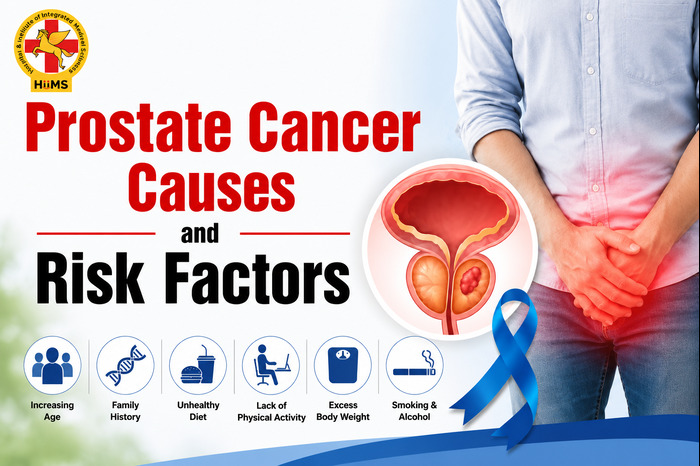
Many people believe prostate cancer happens suddenly, but in reality, it usually develops slowly over time. Knowing the prostate cancer causes and the factors that increase the risk can help you become more aware of your health. While there is no single reason behind this condition, several lifestyle, age-related, and family-related factors may contribute to its development.
The good news is that healthy daily habits and regular health check-ups can support overall prostate health. In this guide, we will explain the prostate cancer causes in simple words and discuss the common risk factors every man should know.
What Is the Prostate?
The prostate is a small gland found only in men. It is located below the bladder and surrounds a part of the tube that carries urine out of the body. The prostate plays an important role in the male reproductive system by helping produce fluid that nourishes sperm.
As men grow older, changes in the prostate become more common. While many prostate problems are not cancer, understanding the prostate cancer causes can help you stay alert and take better care of your health.
What Are the Prostate Cancer Causes?
There is no single answer to what causes prostate cancer. Experts believe that it develops when the cells in the prostate start growing in an uncontrolled way. However, several factors may increase the chances of this happening.
Here are some of the most common prostate cancer causes and risk factors.
1. Increasing Age
Age is one of the biggest risk factors. Most cases are found in men above the age of 50. As the body grows older, natural changes in the cells may increase the possibility of abnormal growth in the prostate.
Although younger men can also develop prostate cancer, it is much less common.
2. Family History
Family history is another important factor among the prostate cancer causes. If your father, brother, or another close male relative has had prostate cancer, your risk may be higher.
This does not mean you will definitely develop it, but it is wise to be more aware and discuss regular health check-ups with your healthcare provider.
3. Unhealthy Eating Habits
Daily food choices may also play a role in prostate health. A diet that includes large amounts of processed foods, sugary drinks, and unhealthy fats while lacking fresh fruits and vegetables may increase the risk over time.
A balanced diet rich in seasonal fruits, vegetables, whole grains, nuts, and seeds supports overall well-being and may help maintain better prostate health.
4. Lack of Physical Activity
A sedentary lifestyle has become common due to desk jobs and long hours of sitting. Regular physical activity supports healthy body weight and improves overall health.
Although exercise alone cannot prevent prostate cancer, staying active may help lower several health risks linked to poor lifestyle habits.
5. Excess Body Weight
Being overweight or obese may also increase the risk of developing more serious forms of prostate cancer.
Maintaining a healthy weight through balanced eating, regular movement, and proper sleep can support overall health and reduce many lifestyle-related risks.
6. Smoking and Alcohol
Smoking introduces harmful chemicals into the body, while excessive alcohol intake may affect overall health.
Avoiding tobacco and limiting alcohol are healthy lifestyle choices that support not only prostate health but also heart, lung, and liver health.
7. Environmental Exposure
Some studies suggest that long-term exposure to certain harmful chemicals in the workplace or environment may slightly increase the risk. More research is still being carried out to understand this connection fully.
Common Risk Factors You Should Know
Apart from the prostate cancer causes, some factors increase the chances of developing the disease even though they cannot be changed.
These include:
- Growing age
- Family history of prostate cancer
- Genetic changes passed through families
- Excess body weight
- Poor lifestyle habits
- Smoking
- Lack of regular physical activity
Having one or even several risk factors does not mean you will definitely develop prostate cancer. They simply increase the possibility.
Can Prostate Cancer Be Prevented?
Healthy daily habits may support prostate health and reduce overall health risks.
Simple steps include:
- Eat plenty of fresh fruits and vegetables.
- Choose whole grains and natural foods.
- Stay physically active every day.
- Maintain a healthy body weight.
- Avoid smoking.
- Limit alcohol consumption.
- Sleep well and manage stress naturally.
- Go for regular health check-ups, especially after the age of 50.
These habits support overall wellness and may contribute to better long-term health.
Early Signs You Should Not Ignore
Many men do not notice symptoms during the early stages. As the condition progresses, some may experience:
- Frequent urination, especially at night
- Difficulty starting or stopping urine flow
- Weak urine stream
- Blood in urine
- Pain during urination
- Discomfort in the lower back, hips, or pelvis
These symptoms can also occur due to other prostate conditions. It is important to seek medical evaluation if you notice any persistent changes.
Final Thoughts
Understanding the prostate cancer causes is the first step toward protecting your health. While age and family history cannot be changed, healthy eating, regular exercise, maintaining a healthy weight, and avoiding tobacco can support overall well-being. Listening to your body and going for routine health check-ups can help identify health concerns early. At Jeena Sikho HiiMS, the focus is on encouraging natural, holistic lifestyle practices that support overall health and wellness through balanced nutrition, yoga, stress management, and Ayurvedic principles.
FAQs
1. What are the main prostate cancer causes?
The exact cause is not known, but age, family history, unhealthy lifestyle, excess body weight, smoking, and poor eating habits are among the common risk factors.
2. Can young men develop prostate cancer?
Yes, but it is uncommon. The risk increases significantly after the age of 50.
3. Does family history increase the risk?
Yes. Having a close family member with prostate cancer may increase your chances of developing the condition.
4. Can a healthy lifestyle help reduce the risk?
Healthy eating, regular exercise, maintaining a healthy weight, avoiding tobacco, and managing stress support overall prostate health and may help lower certain risk factors.
5. How often should men get their prostate checked?
Men above 50, or those with a family history, should discuss regular prostate health check-ups with a qualified healthcare professional.
Know the causes of high blood pressure: https://www.smilebox.co.za/causes-of-high-blood-pressure/