

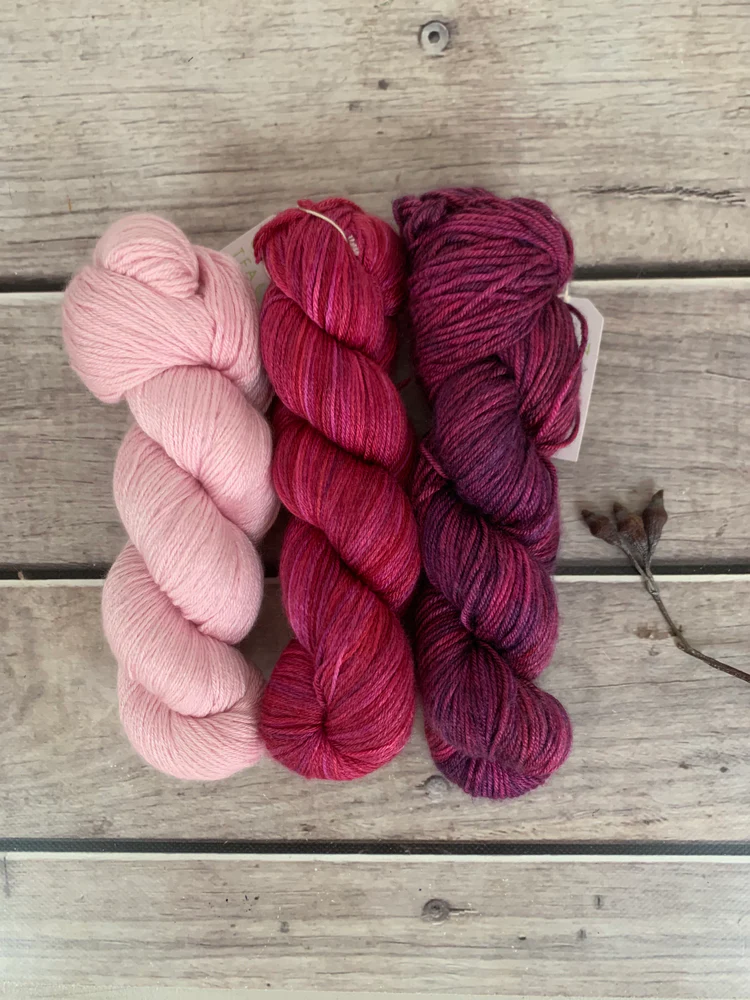
Something’s shifted in the last few years. Knitters and crocheters here aren’t just grabbing whatever’s on the shelf at the big craft chain anymore, they’re hunting down small dyers working out of spare rooms and garages, mixing colours by hand, one skein at a time. That’s the whole appeal of indie dyed yarn Australia makers offer, honestly. It’s not mass produced. It’s not the same forty shades repeated across a thousand identical balls. Every dye lot has a bit of variation, a bit of personality, and that’s exactly the point. People want yarn that feels like it was made by someone, not a machine in a factory somewhere overseas. And Australia’s indie dyeing scene, while smaller than say the US or UK, has grown fast. You’ll find dyers in Melbourne laneways, in rural Tassie sheds, up in the Sunshine Coast hinterland, all doing their own thing with base yarns, acid dyes, and a lot of patience. The community around it is tight too, dyers chat, swap tips, sometimes even collaborate on limited colourways. If you’ve only ever bought yarn from a big box store, stepping into this world feels a bit like discovering a whole subculture you didn’t know existed.
What Actually Makes Yarn “Indie Dyed” Anyway
This gets asked a lot, and fair enough, the term gets thrown around loosely sometimes. Indie dyed just means a small, independent dyer (usually one person, maybe two) is hand applying colour to yarn themselves, rather than a big commercial mill doing it on an industrial scale. No two skeins come out identical. That’s not a flaw, it’s the whole selling point. A big mill wants consistency, batch after batch looking the same so a retailer can restock reliably. An indie dyer wants character. They’ll use kettle dyeing, hand painting, speckling, all sorts of techniques that mean the yarn in your hands is basically one of a kind. Some Aussie dyers even name their colourways after local things, a certain beach at sunset, a native flower, a memory from childhood. It gives the yarn a story, which sounds a bit soft maybe, but knitters actually care about that. You’re not just buying fibre, you’re buying a little piece of someone’s creative process.
Hand Dyed Sock Yarn Deserves Its Own Spotlight
Right, let’s talk sock yarn specifically because it’s genuinely a different beast to other yarn types. Hand dyed sock yarn usually comes in a fingering or 4-ply weight, and it’s almost always blended with a bit of nylon, something like 20 to 25 percent, to give it strength. Socks get walked on, stretched, washed over and over, so pure wool alone would wear through pretty quick. The nylon content means your hand knit socks actually survive real life, not just sit pretty in a drawer. What makes hand dyed versions special though is the way colour pools and stripes as you knit. Self striping sock yarns are massive right now, dyers plan out repeating colour sequences so as you knit round and round, stripes just appear without you doing any extra work. Speckled sock yarn is another favourite, tiny dots of colour scattered through a paler base, almost like flecks of paint splattered across fabric. It’s a bit unpredictable how it’ll knit up, and that unpredictability is honestly half the fun.
Why So Many Knitters Are Switching To Small Batch Dyers
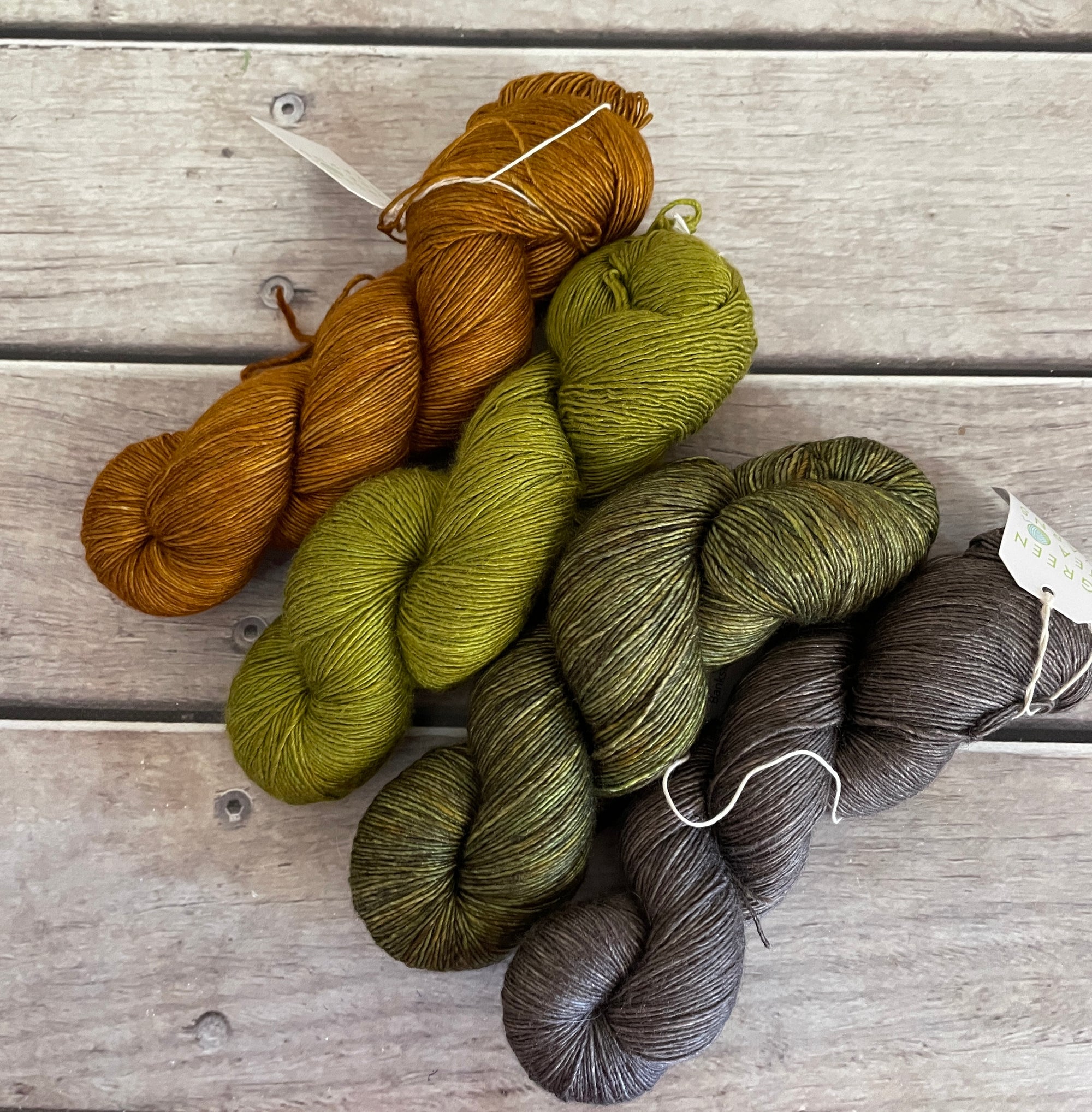
There’s a practical side to this too, not just the aesthetics. Buying from indie dyers usually means better quality control over the fibre sourcing. A lot of Australian dyers are choosy about their base yarns, sourcing merino from local or nearby flocks, sometimes using superwash treatments that hold colour better and don’t felt in the wash. You’re also supporting a real person’s small business rather than a faceless corporation, which matters to a lot of buyers these days, especially post pandemic when everyone got a bit more thoughtful about where their money goes. Then there’s exclusivity. Indie dyers often release limited runs, a handful of skeins in a particular colourway, then it’s gone forever or maybe it comes back months later slightly different. That scarcity actually drives demand, knitters will set alarms for shop update times, refresh pages obsessively, it’s a whole thing. Honestly it reminds me a bit of sneaker culture, except with wool.
How To Spot A Genuinely Good Indie Dyer
Not every small dyer is equal, and it took me a while to figure out what separates the good ones from the mediocre. Look at how even the dye job is across the skein, not perfectly uniform (that’d defeat the purpose) but consistent enough that you’re not getting weird undyed patches unless that’s intentional. Check if they list fibre content and yardage clearly, sloppy or missing details is usually a red flag. Read reviews if the shop has them, or check their social media comments, genuine dyers tend to have an engaged little community following their work closely. Ask about their dyeing process too if you’re curious, most dyers love talking shop and will happily explain whether they use acid dyes, natural dyes, or something else entirely. A good dyer also tends to be upfront about dye lot variation, telling you straight that colour might shift slightly skein to skein rather than pretending everything’s identical.
The Aussie Climate Problem Nobody Talks About
Here’s something that doesn’t get mentioned enough. Australia’s climate is genuinely tricky for wool crafts. Half the country’s baking through summer while the other half is rugging up, and it means demand for things like hand dyed sock yarn actually holds steady year round in a way it might not in, say, a place with one long winter. Socks get worn in air conditioned offices in January just as much as on a cold Melbourne morning in July. It also means Australian dyers have had to think differently about their customer base compared to overseas dyers, since a huge chunk of buyers are gifting or making for climates entirely different to their own, sending hand knits interstate or even to family in colder countries. Some dyers lean into lighter weight bases specifically because of this, thinner sock yarns and lace weights that don’t feel overwhelming even when it’s thirty five degrees outside.
Price Points And What You’re Actually Paying For
Let’s be honest about cost because this trips people up. A skein of indie dyed sock yarn in Australia typically runs somewhere between 35 and 55 dollars, sometimes more for special editions or limited releases with hand painted detail. That’s noticeably more than a supermarket ball of acrylic, obviously, but you’re comparing apples to oranges really. You’re paying for the dyer’s time, their skill, the quality of the base yarn, often merino or merino blends rather than synthetic fibre, and the fact that it’s not being churned out by a machine. Shipping can add a fair bit too if you’re buying from a dyer interstate, so a lot of people try to shop local where they can, or bundle bigger orders together to save on postage. It’s worth remembering that a single skein of good sock yarn will usually knit a full pair of adult socks, so cost per wear actually works out reasonable once you factor in how long hand knit wool socks tend to last if looked after properly.
Caring For Your Hand Dyed Yarn So It Actually Lasts
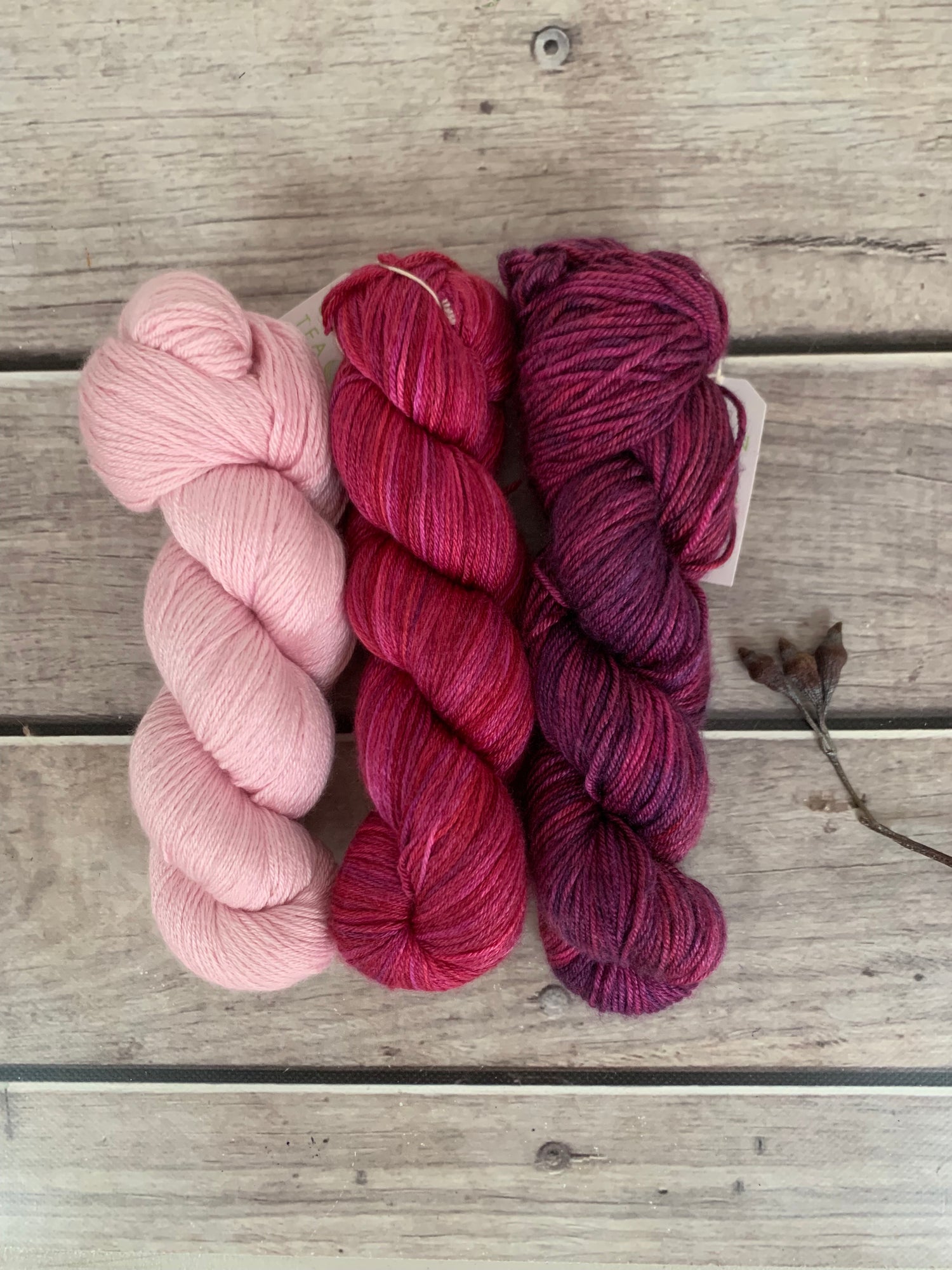
People spend good money on nice yarn then wreck it in the wash, it happens more than you’d think. Most hand dyed sock yarn with nylon content can handle a gentle machine wash on a wool cycle, cold water, but always check the label because some dyers use pure wool with no synthetic blend and that one needs hand washing only. Avoid harsh detergents, use something wool specific if you can, and never wring the knitted item, just press water out gently and lay flat to dry. Colour bleed can happen in the first wash or two, especially with darker or more saturated hand dyed colourways, so washing separately the first couple of times is a smart move, saves you accidentally dyeing your other socks a weird shade of purple. Store finished projects away from direct sunlight too, since UV exposure will fade hand dyed colours faster than you’d expect, more so than commercial dyes sometimes because of the dye types used.
Finding Your People In The Indie Dyeing Community
One thing that surprised me getting into this world is how social it actually is. There’s a real community around indie dyed yarn Australia wide, Instagram and Facebook groups where people share what they’ve made, swap tips on which dyers are restocking soon, post photos of finished socks or shawls dripping in speckled colourways. Yarn festivals and craft markets are huge too, places like the Sydney and Melbourne fibre festivals where dozens of small dyers set up stalls and you can actually feel the yarn in person before buying, which honestly matters more than people expect since photos never quite capture true colour. Getting involved in this community isn’t just about buying stuff either, it’s knitalongs, dye day workshops some dyers run themselves, and just generally connecting with people who get why you’d spend an hour deciding between two nearly identical shades of blue.
Final Thoughts On Supporting Indie Dyers
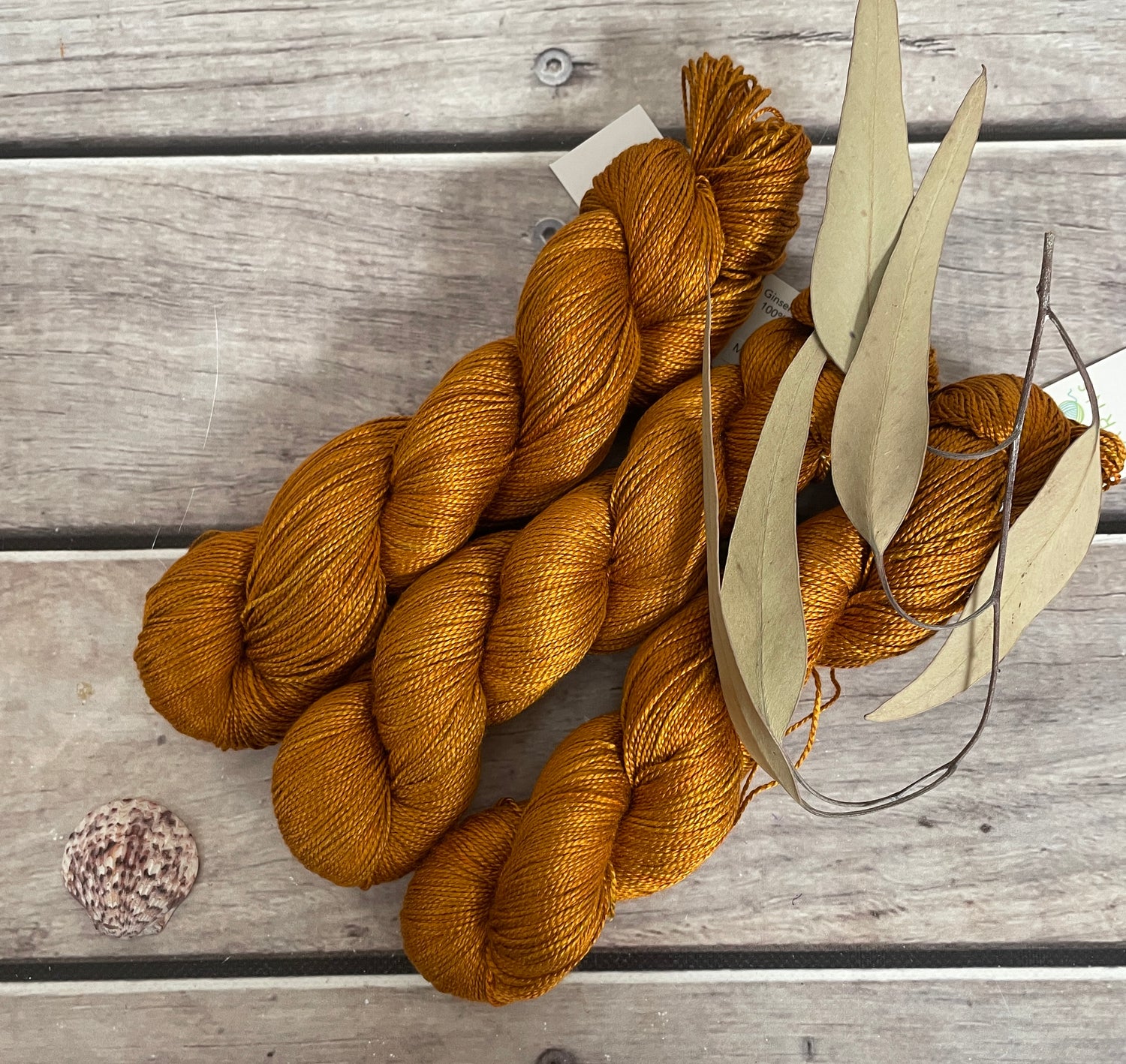
So where does this leave you if you’re just starting out. Honestly, just dive in. Follow a few Australian dyers on social media, watch how they talk about their process, wait for a restock that catches your eye, and buy one skein to start rather than going overboard. Indie dyed yarn Australia sellers offer something you genuinely can’t get from a chain store, character, story, and a direct line to the person who actually made the thing in your hands. And if socks are your thing, hand dyed sock yarn is probably the best entry point, practical enough to justify the spend, small enough to not feel like a huge commitment, and satisfying as anything watching those colours pool and stripe as you knit round after round. It’s a slower way to shop, sure, but slower usually means better when it comes to craft supplies. Give it a go, you might find yourself checking restock times more often than you’d like to admit.
FAQs
Is indie dyed yarn more expensive than regular yarn in Australia?
Yes, generally. Indie dyed yarn Australia sellers charge more than commercial brands because of the hand dyeing labour and smaller batch sizes, but the fibre quality is usually higher too.
What’s the difference between hand dyed sock yarn and regular sock yarn?
Hand dyed sock yarn is coloured in small batches by an individual dyer, giving unique variation, while regular sock yarn is machine dyed for consistency across large runs.
Can I machine wash hand dyed sock yarn?
Most can, on a gentle wool cycle with cold water, provided there’s nylon content. Always check the specific dyer’s care instructions since pure wool blends may need hand washing.
Where can I buy indie dyed yarn in Australia?
Look at small dyer websites, Etsy shops based in Australia, Instagram shops, and fibre festivals in cities like Melbourne and Sydney where indie dyers sell directly.
Does hand dyed yarn fade over time?
It can, especially with sun exposure. Store finished projects out of direct light and wash gently to keep colours looking fresh for longer.









Leave a Reply