Let’s Be Real: That Tiny Home Kit on Amazon Isn’t a House
So you’ve been scrolling through social media, drooling over those sleek, modern tiny homes. You see the low price tag, maybe even the option to click “buy” on a website, and you think, “I could do that.” I get it. The idea of a super affordable, DIY tiny house built from a kit is intoxicating. Who wouldn’t want to skip the huge mortgage and build their dream home in a weekend? But it’s time we pump the brakes. That tiny home kit you’re eyeing? It’s not a house. It’s a box of lumber and hope. The tiny house experts at places like Movable Roots see it all the time—people who bought a kit thinking they’d save a fortune, only to end up in over their heads with a half-finished shell in their backyard. I want to give you the unfiltered truth so you can make a smart decision.
What Are You Actually Getting in the Box?
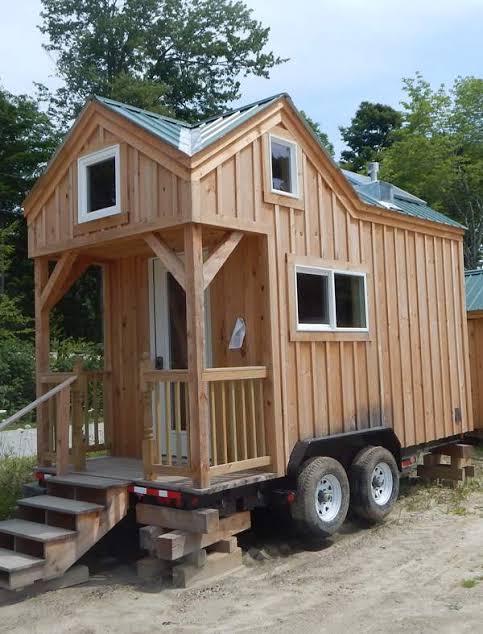
When you buy a tiny home kit, you’re essentially buying the bones of a structure. Think wall and roof panels, doors, windows, maybe some framing and roofing materials . That’s it. It’s the skeleton, but there are no organs, no nervous system. It doesn’t come with a heartbeat. For instance, if you want a tiny home kit that includes plumbing and electrical, you have to pay extra. A lot of the time, the beautiful interiors you see in the pictures are just premium features you’ll have to pay for separately . It’s like buying a car but having to source the engine, wheels, and seats yourself. You’re getting a shell, and often, it’s not even a weatherproof one. That means everything else—from the insulation and drywall to the wiring and plumbing—is on you . And that is where the real money, and the real headache, begins.
The Massive “Hidden” Costs No One Talks About
The price of a tiny home kit might be the cheapest part of your whole journey, and that’s a hard truth to swallow. It’s like buying a pair of expensive boots that are on sale but don’t have soles; you can’t wear them anywhere until you invest more. The costs that come after are the killer. You need to budget for the land, site prep, a foundation (or an engineered trailer if it’s on wheels), and connecting to utilities like water, sewer, and electricity . That cheap $5,000 kit can easily balloon into a $30,000, $40,000, or even $50,000 project after you hire electricians, plumbers, and carpenters to actually make it livable . And don’t forget about the permits! Those cost money, too. And you’ll likely need an inspector to sign off on the work, which adds more cash to the pile. So, that “affordable” dream starts looking a lot more like a regular down payment.
The Code & Zoning Nightmare
Here’s a scenario that happens more often than you’d think: you buy your tiny home kit, spend months, and thousands of dollars, building it on a piece of land. Then the local building inspector shows up, and they shut you down. This is a huge deal. Most tiny home kits aren’t engineered to meet local building codes, which vary wildly from city to city and county to county . And if your tiny home is on wheels, it’s often classified as an RV, which brings a whole separate set of rules and regulations regarding where you can park it legally. You can’t just plop it down in any old backyard. These laws are incredibly specific. I’ve seen families have to tear down a perfectly good structure because they put it in the wrong place or it didn’t meet code . It’s a heartbreaker. That’s why you absolutely have to research your area’s zoning laws and building codes before you ever click “buy” on a kit.
Steel vs. Wood: It’s a Big Deal
Let’s talk about the materials in your tiny home kit. Many of the cheaper ones are built from standard wood framing. That’s fine if you’re building a stationary garden shed. But if you’re building a tiny home, especially one on wheels that will be moving, wood can be a problem. It warps in changing humidity, it’s a target for termites and other pests, and if you live in a wildfire zone, it is a massive fire risk . On the other hand, steel framing is becoming a favorite of the tiny house experts for a good reason. It’s fire-resistant, insects hate it, and it can take the constant stress of being on the road without warping or degrading . Companies like Trailer Made are building their tiny home kits with steel frames for these very reasons, making them a much better fit for the rugged Colorado lifestyle and for anyone who wants a durable, long-lasting home . If I were building, I’d pick steel every time.
Why You Probably Can’t DIY This (And That’s Okay)
Look, I’m all for a good DIY project. But building a house is not the same as building an IKEA bookshelf. Sure, the marketing copy for a tiny home kit might promise you can build it in a few days with basic skills, but that’s a stretch. The reality is that to get a tiny home from a kit to a finished, functional, move-in-ready house, you’re going to need a lot of help. You’ll be coordinating a team of tradespeople: plumbers, electricians, HVAC technicians, and finish carpenters. This isn’t just a weekend project for you and a couple of friends. The learning curve is steep, and the cost of making a mistake is high. Hiring a contractor to oversee the build is usually the smarter, and often more affordable, way to go if you value your time and sanity . Don’t fool yourself into thinking you can do it all alone.
Custom vs. Kit: “The Tiny House Experts” Weigh In
This is where I want to point you toward a different path if you’re serious about this. A fully custom tiny home from a company like Movable Roots might cost more upfront than a cheap kit, but it’s a totally different experience . When you go custom, you are buying an actual home. It’s built by licensed tradespeople, engineered to meet your local building codes and safety standards, and it comes with a clear, fixed price. You aren’t left holding a pile of lumber and a prayer. It’s a finished product. With a custom build, you get exactly the layout, features, and quality you want, without the devastating surprises that come with a kit . Sometimes, paying more for peace of mind is the most “affordable” option in the long run.
The Best Use Cases for a Tiny Home Kit
Now, I don’t want to sound like I’m completely against tiny home kits. They’re not all bad. It’s about having the right tool for the job. A tiny home kit can be a fantastic option for an accessory dwelling unit (ADU) in your backyard—you know, a home office, a guest house, or an artist’s studio . For something that isn’t a primary residence and where you can take your time building it out, they make a lot of sense. It’s also a cool project for someone who genuinely enjoys hands-on construction and has the time, money, and patience to deal with all the permitting and finishing. The problem is when people think a kit is a cheap way to get a full-time home. That’s where the dream falls apart. Consider what you actually need it for, and be honest with yourself.
How to Not Get Burned: Vet Your Kit
If you are dead set on buying a tiny home kit, do your homework. Firstly, ask yourself: what is included in the box? Don’t just look at the price tag or the pretty pictures. You need a detailed, written inventory of every single item . Ask them for the full spec list. Secondly, how are you going to get it certified? I cannot stress this enough. If you buy a cheap kit online that isn’t third-party certified, you are setting yourself up for a world of pain with local building inspectors . A professional certification means it meets safety and quality standards, and most importantly, it will make your life 100 times easier when you go to get permits and pass inspections. Skimping on this part is the surest way to turn your dream home into a very expensive pile of scrap wood.
The Verdict: Kits Can Be a Costly Starting Point
So, is a tiny home kit a good idea? It depends on what you want. If you need a simple backyard office or a creative retreat, sure, it could be a fun project. But if you’re looking for an affordable primary residence, you need to go in with your eyes wide open. The reality is that these kits are often a starting point, not the full solution. They’re an incomplete product that requires a mountain of money, time, and expertise to finish. Many of the hidden costs and logistical nightmares end up making a DIY kit more expensive than just buying a custom-built tiny home from a reputable builder. It’s a risky path to take for your actual home. Just something to chew on.
FAQs
Are tiny home kits worth it?
It’s a toss-up. For a non-primary structure like a backyard office, sure. For a full-time home, often no—the hidden costs can make it more expensive than a custom build .
What’s included in a tiny home kit?
Mostly, you get the structural shell: panels for walls and roof, framing, doors, and windows. Rarely does it come with plumbing, electrical, or interior finishes .
Can you build a tiny home kit by yourself?
Technically yes, but it’s difficult. You will likely need to hire licensed tradespeople for the electrical, plumbing, and HVAC, regardless of your skill level .
Where can I put a tiny home kit?
This is the biggest hurdle. It depends entirely on local zoning and building codes. You can’t just put one anywhere and it must meet RV or building code standards depending on its classification .