

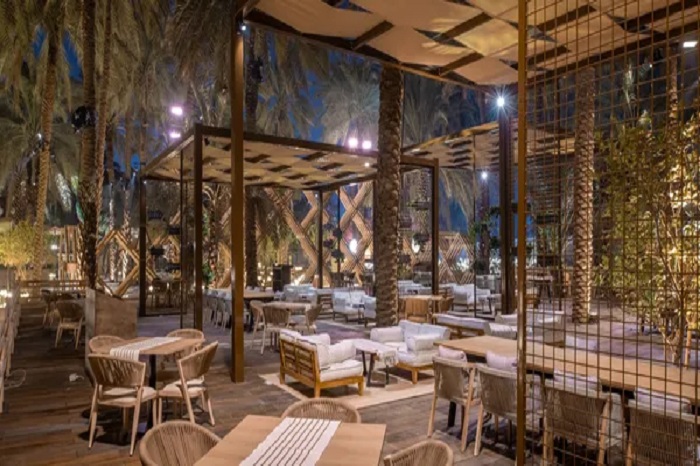
Modern architecture is increasingly defined by innovation, sustainability, and functional design. As cities expand and architectural projects become more ambitious, developers and designers are searching for building solutions that combine durability, visual appeal, and long-term performance. Among the most versatile innovations in contemporary construction are Tensile Membrane Structures, which have become a preferred choice for roof shades, canopies, fabric façades, and other large-span architectural applications.
Unlike conventional roofing systems, Tensile Membrane Structures offer lightweight construction, exceptional flexibility, and the ability to create striking architectural forms. Their adaptability makes them suitable for commercial, industrial, hospitality, sports, and public infrastructure projects where both aesthetics and performance are equally important.
As a leading engineering and contracting company, CForce specializes in delivering complete tensile membrane solutions, offering design, BIM engineering, fabrication, and installation services for projects across Saudi Arabia and the GCC.
What Are Tensile Membrane Structures?
Tensile Membrane Structures are architectural systems that use high-performance fabric membranes stretched over steel or aluminum support frameworks. The membranes are engineered to remain under constant tension, creating stable and durable structures capable of covering large areas with minimal supporting elements.
Depending on project requirements, different membrane materials may be used, including:
- PTFE-coated fiberglass
- PVC-coated polyester
- PVDF-coated membranes
- ETFE systems
- HDPE shade fabrics
- Architectural mesh membranes
Each material offers unique advantages in terms of durability, transparency, weather resistance, and maintenance, allowing architects to select the most suitable solution for their project.
Why Tensile Membrane Structures Are Growing in Popularity
The increasing demand for sustainable and visually distinctive buildings has significantly boosted the popularity of Tensile Membrane Structures. Their lightweight nature reduces structural loads, while their flexibility allows architects to create elegant forms that are difficult to achieve with traditional materials.
These structures are particularly valued for their ability to:
- Cover large spans without internal columns
- Enhance natural daylight
- Improve energy efficiency
- Reduce construction time
- Lower structural steel requirements
- Create iconic architectural designs
As a result, tensile membrane systems are becoming a common feature in modern commercial and public developments.
Roof Shades: Combining Comfort and Performance
Roof shades are one of the most common applications of Tensile Membrane Structures. They provide effective protection from sunlight while maintaining open, naturally ventilated spaces.
Commercial buildings, educational campuses, transportation facilities, and public gathering areas often utilize membrane roof shades to improve outdoor comfort without compromising architectural aesthetics.
Benefits of membrane roof shades include:
- Reduced heat gain
- UV protection
- Improved user comfort
- Modern architectural appearance
- Low maintenance
- Long service life
Their lightweight construction also reduces the overall structural requirements, making them an economical solution for large outdoor spaces.
Architectural Canopies
Canopies serve both functional and visual purposes.
Modern entrance canopies, pedestrian walkways, transportation hubs, and hospitality developments increasingly utilize Tensile Membrane Structures to create welcoming spaces while protecting visitors from sun and rain.
Unlike traditional concrete or metal canopies, membrane systems offer graceful curves and contemporary forms that complement modern architecture.
Applications include:
- Hotel entrances
- Airport terminals
- Shopping malls
- Educational institutions
- Healthcare facilities
- Public plazas
- Walkways
- Outdoor dining areas
These structures combine architectural elegance with exceptional durability.
Fabric Façades for Modern Buildings
Fabric façades have become an important architectural feature in contemporary construction.
Using Tensile Membrane Structures, architects can create lightweight exterior skins that improve building aesthetics while contributing to environmental performance.
Fabric façades provide several advantages:
- Solar shading
- Reduced cooling loads
- Enhanced building identity
- Improved natural ventilation
- Lightweight installation
- Modern visual appeal
They are widely used in commercial buildings, exhibition centers, sports facilities, and cultural landmarks where both performance and architectural expression are priorities.
Supporting Sustainable Construction
Sustainability has become a major consideration in every construction project.
Tensile Membrane Structures contribute to environmentally responsible building practices through their lightweight construction and efficient use of materials.
Compared with traditional roofing systems, membrane structures require less steel and smaller foundations, reducing embodied carbon and overall resource consumption.
Many membrane materials also reflect solar radiation, helping reduce indoor temperatures and lowering energy requirements for cooling.
Their long lifespan and minimal maintenance further support sustainable building objectives.
Design Freedom for Architects
One of the greatest strengths of Tensile Membrane Structures is the extraordinary level of design flexibility they offer.
Unlike rigid roofing materials, membrane fabrics can be formed into dynamic shapes, flowing curves, sweeping canopies, and visually striking architectural features.
This flexibility enables architects to create:
- Landmark buildings
- Large-span roofs
- Curved walkways
- Signature entrance canopies
- Exhibition pavilions
- Public gathering spaces
The result is architecture that combines functionality with artistic expression.
Applications Across Multiple Industries
Because of their versatility, Tensile Membrane Structures are used in a wide range of sectors.
Commercial Developments
Retail centers, office complexes, and mixed-use developments utilize membrane canopies and roof systems to improve visitor experiences while enhancing architectural identity.
Hospitality
Hotels and resorts incorporate membrane structures into entrance canopies, outdoor dining areas, swimming pool covers, and recreational facilities.
Sports Facilities
Stadiums, sports complexes, and recreational venues benefit from large-span roofing systems that provide weather protection while maintaining open spaces.
Public Infrastructure
Transportation hubs, educational campuses, civic buildings, and public parks use membrane structures to create comfortable and visually appealing environments.
Industrial Projects
Warehouses, logistics centers, and manufacturing facilities often require durable shade structures that improve operational efficiency while protecting equipment and personnel.
Why Quality Engineering Matters
Every successful membrane project begins with expert engineering.
The structural behavior of Tensile Membrane Structures differs significantly from conventional buildings, requiring specialized analysis, form-finding, load calculations, and detailing.
Engineering considerations include:
- Wind loading
- Fabric tension analysis
- Steel support design
- Connection detailing
- Drainage planning
- Membrane patterning
- Installation sequencing
Proper engineering ensures structural safety, long-term durability, and consistent performance.
Why Choose CForce?
Selecting the right engineering partner is essential for achieving a successful tensile membrane project.
CForce provides comprehensive turnkey solutions covering every stage of project delivery, including:
- Concept development
- Architectural design support
- BIM engineering
- Structural analysis
- Fabrication
- Procurement
- Installation
- Quality control
With extensive expertise in ETFE systems, PTFE membranes, PVC membranes, PVDF fabrics, HDPE shade solutions, architectural steel structures, and aluminum systems, CForce delivers customized solutions that meet the highest standards of quality and performance.
Its modern manufacturing capabilities and commitment to engineering excellence enable clients to complete projects efficiently while maintaining exceptional construction quality.
The Future of Tensile Membrane Structures
The demand for innovative construction technologies continues to grow worldwide.
As architects prioritize sustainability, energy efficiency, and unique architectural identities, Tensile Membrane Structures are expected to play an even greater role in shaping the built environment.
Advances in membrane materials, digital engineering, BIM coordination, and fabrication technologies will continue expanding the possibilities for membrane architecture.
From iconic stadiums and airports to educational institutions and commercial developments, tensile membrane systems are becoming an essential component of modern construction.
Conclusion
The success of today’s architectural projects depends on finding solutions that combine aesthetics, durability, sustainability, and engineering precision. Tensile Membrane Structures meet all of these requirements, making them an outstanding choice for roof shades, architectural canopies, and fabric façades.
Their lightweight design, structural efficiency, flexibility, and visual appeal allow architects and developers to create functional spaces that stand out while reducing material consumption and improving long-term performance.
With expertise in engineering, BIM design, fabrication, and installation, CForce delivers innovative tensile membrane solutions tailored to the unique needs of commercial, industrial, hospitality, sports, and public infrastructure projects. By combining advanced technology with precision manufacturing and professional project execution, CForce continues to support the future of modern architecture across Saudi Arabia and the GCC.










Leave a Reply