Hair thinning is a common concern affecting both men and women across different ages and backgrounds. While the causes may vary, the emotional and psychological impact is often similar reduced confidence, frustration with appearance, and difficulty finding effective solutions. Traditional treatments such as medications, topical products, wigs, or styling techniques may offer temporary improvement, but they do not always provide consistent or satisfying results. Scalp micropigmentation (SMP) has emerged as a modern, non-surgical option designed to address thinning hair by improving the appearance of density and scalp coverage. This advanced cosmetic procedure offers natural-looking results for individuals seeking a long-term, low-maintenance solution.
Understanding Thinning Hair
Thinning hair can develop gradually or progress rapidly depending on the underlying cause. In men, androgenetic alopecia (male pattern baldness) is the most common factor, typically affecting the hairline, temples, and crown. Women may experience diffuse thinning across the scalp, often related to hormonal changes, genetics, stress, or medical conditions. Other contributing factors include nutritional deficiencies, autoimmune disorders, post-pregnancy hair loss, and the natural aging process. Regardless of the cause, thinning hair can make the scalp more visible, creating an uneven or sparse appearance that is difficult to conceal.
What Is Scalp Micropigmentation?
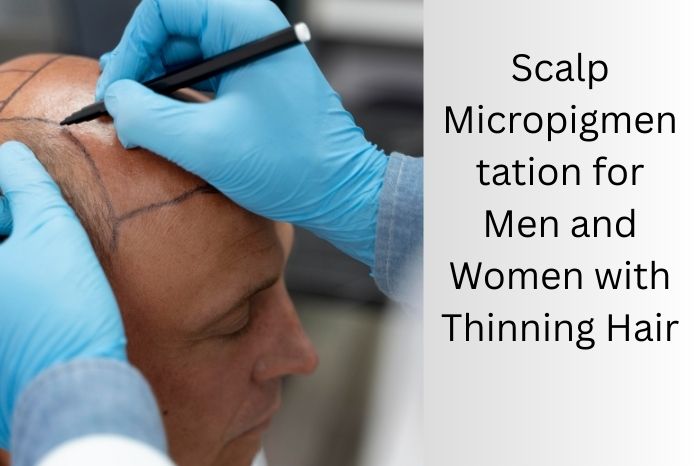
Scalp micropigmentation is a specialized cosmetic procedure that involves depositing tiny pigment particles into the upper layers of the scalp using fine micro-needles. These pigments are carefully matched to the individual’s natural hair color and skin tone. The process creates the visual effect of hair follicles, giving the illusion of greater density or a closely shaved hairstyle. Unlike traditional tattooing, SMP uses advanced techniques and medical-grade pigments designed to fade gradually and maintain a natural appearance over time.
How SMP Addresses Thinning Hair
For individuals with thinning hair, scalp micropigmentation works by reducing the contrast between hair and scalp. By darkening the visible scalp areas, SMP creates the appearance of thicker, fuller hair without altering existing strands. This technique is particularly effective for people who still have hair but struggle with visible scalp in areas such as the crown, part line, or frontal scalp. SMP can be used alone or in combination with other treatments, such as hair transplants, to enhance overall results.
Scalp Micropigmentation for Men
Men experiencing thinning hair often look for solutions that appear natural and require minimal upkeep. SMP offers a versatile option that can simulate a fuller scalp or replicate the appearance of a clean-shaven head. For those with receding hairlines or crown thinning, SMP can create the illusion of density while preserving a realistic hairline design. Because the procedure does not involve surgery or lengthy recovery, it appeals to men seeking effective results without significant downtime.
Scalp Micropigmentation for Women
Women with thinning hair may find SMP particularly beneficial due to its ability to address diffuse hair loss. Unlike solutions that focus on shaving the head, SMP for women is typically applied between existing hair strands to create the appearance of volume. This technique enhances the look of fullness without altering hairstyles. Women with widening part lines, postpartum hair thinning, or age-related hair loss often choose SMP as a discreet and confidence-boosting option.
The SMP Procedure Process
The scalp micropigmentation process begins with a detailed consultation. During this phase, the practitioner evaluates hair loss patterns, scalp condition, skin tone, and aesthetic goals. A customized treatment plan is developed, including pigment selection and density design. SMP is usually completed over multiple sessions to allow for gradual layering and precise control of results. Each session typically lasts several hours, depending on the size of the treated area.
Safety and Comfort During Treatment
Scalp micropigmentation is considered a safe procedure when performed by trained professionals using sterile equipment and medical-grade pigments. Most individuals report minimal discomfort, often described as mild pressure or light scratching. Topical numbing agents may be used to enhance comfort. Because SMP is non-invasive, there is no cutting or stitching involved, significantly reducing the risk of complications.
Recovery and Aftercare
One of the advantages of SMP is its relatively simple recovery process. Mild redness may occur immediately after treatment but usually subsides within a day or two. Patients are advised to avoid excessive sweating, sun exposure, and washing the scalp for a short period following each session. Aftercare instructions help ensure pigment retention and optimal healing. Unlike surgical hair restoration, SMP does not require extended downtime or complex post-procedure care.
Results and Longevity
The results of scalp micropigmentation are visible almost immediately, with gradual improvement as sessions are completed. The pigments are designed to fade naturally over time rather than change color, maintaining a consistent and realistic appearance. Results typically last several years, and periodic touch-up sessions may be recommended to refresh the look as natural fading occurs. With proper care, SMP remains a long-lasting solution for thinning hair.
Psychological and Emotional Benefits
Beyond physical appearance, scalp micropigmentation often provides significant psychological benefits. Many individuals report increased self-confidence, reduced anxiety about hair loss, and greater comfort in social and professional settings. By offering a reliable and predictable aesthetic improvement, SMP helps individuals regain control over their appearance without the uncertainty associated with temporary or cosmetic cover-ups.
Comparing SMP to Other Hair Loss Solutions
Unlike medications that require ongoing use or hair fibers that wash away, SMP offers a consistent visual improvement without daily maintenance. Compared to hair transplants, SMP is less invasive, more affordable, and suitable for individuals who may not be ideal surgical candidates. While SMP does not restore actual hair growth, its ability to enhance appearance makes it a valuable alternative or complement to other treatments.
Who Is an Ideal Candidate?
Scalp micropigmentation is suitable for most men and women with thinning hair, regardless of age. Ideal candidates are individuals with realistic expectations who understand that SMP improves appearance rather than promoting hair growth. A professional consultation ensures the treatment plan aligns with the individual’s goals and scalp condition.
Choosing the Right SMP Provider
The success of scalp micropigmentation depends heavily on practitioner expertise. Proper pigment selection, needle control, and artistic skill are essential for natural-looking results. Experienced SMP specialists follow strict hygiene standards, customize treatments for each patient, and provide thorough aftercare guidance. Selecting a reputable provider ensures safety, satisfaction, and long-term success.
Conclusion
Scalp micropigmentation has become a trusted, non-surgical solution for men and women with thinning hair. By creating the appearance of fuller hair through precise pigment application, SMP addresses one of the most challenging aspects of hair loss—visible scalp exposure. Its safety profile, minimal downtime, and natural-looking outcomes make it an appealing option for individuals seeking lasting improvement without surgery. When performed by skilled professionals, scalp micropigmentation offers a reliable path toward restored confidence, improved self-image, and long-term satisfaction for those experiencing thinning hair.