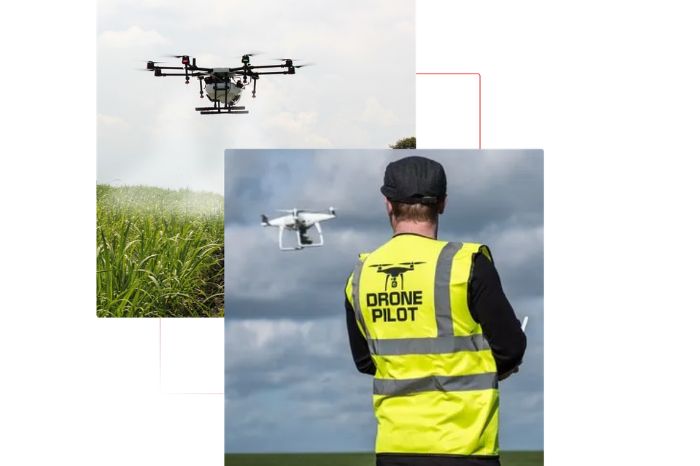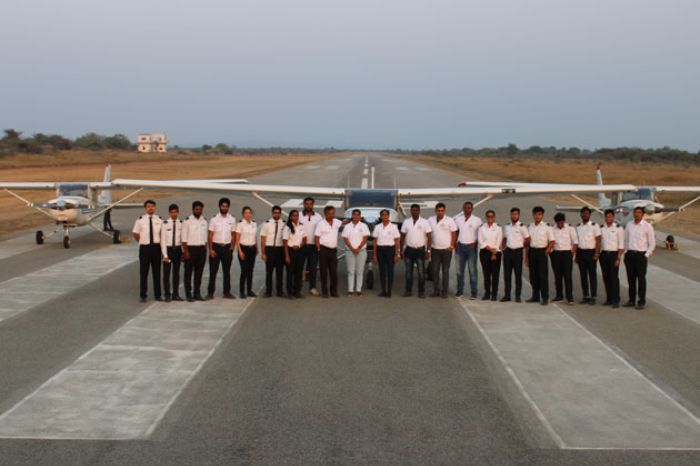
The aviation industry is one of the fastest-growing sectors in the world, creating thousands of career opportunities every year. From commercial pilots and drone operators to aircraft maintenance engineers and aviation safety experts, the demand for skilled aviation professionals continues to rise. As technology advances and the industry expands, choosing the top aviation training institute becomes one of the most important decisions for anyone planning a successful aviation career.
A quality aviation institute not only provides technical knowledge but also offers practical training, industry exposure, and guidance that prepares students for real-world challenges. Whether your goal is to become a certified drone pilot, work in aviation operations, or pursue other aviation-related careers, selecting the right training center can make all the difference.
In this guide, we’ll explore why aviation training is essential, what to look for in an aviation institute, the benefits of professional certification, and how the right training can help shape your future.
Why Aviation Training Matters
Aviation is a highly regulated industry where safety, precision, and technical expertise are essential. Every aviation professional must possess a strong understanding of regulations, equipment, and operational procedures.
Professional aviation training helps students:
- Build strong technical knowledge.
- Learn aviation safety standards.
- Gain practical flying experience.
- Understand aviation laws and regulations.
- Develop communication and decision-making skills.
- Improve employment opportunities.
Without proper training, entering the aviation industry becomes extremely difficult. This is why enrolling in a reputable aviation training institute is the first step toward a rewarding career.
Growing Career Opportunities in Aviation
The aviation industry is evolving rapidly with advancements in technology, commercial air travel, logistics, and unmanned aerial systems. Today, career options extend far beyond becoming an airline pilot.
Some of the most promising aviation careers include:
Commercial Pilot
Commercial pilots fly passenger aircraft, cargo planes, and charter services while ensuring passenger safety and operational efficiency.
Drone Pilot
Certified drone pilots are increasingly needed across industries such as:
- Agriculture
- Infrastructure inspection
- Construction
- Mining
- Surveying
- Real estate
- Media and filmmaking
- Disaster management
Aircraft Maintenance Engineer
Maintenance engineers inspect, repair, and maintain aircraft to ensure safe operations.
Aviation Operations Specialist
These professionals coordinate airport activities, flight schedules, logistics, and passenger operations.
Air Traffic Controller
Air traffic controllers play a crucial role in managing aircraft movements safely and efficiently.
Aviation Safety Officer
Safety officers monitor aviation procedures, ensure regulatory compliance, and minimize operational risks.
What Makes a Top Aviation Training Institute?
Not every aviation academy offers the same quality of education. Choosing the right institute involves evaluating several important factors.
Experienced Trainers
Learning from experienced aviation professionals gives students practical insights beyond textbooks. Qualified instructors share real-world knowledge that prepares students for industry challenges.
Modern Infrastructure
A quality institute should provide:
- Advanced training equipment
- Flight simulators
- Drone practice areas
- Modern classrooms
- Practical laboratories
Hands-on experience significantly improves learning outcomes.
Industry-Oriented Curriculum
The aviation industry changes constantly with new regulations and technologies.
A top aviation institute regularly updates its curriculum to include:
- Aviation safety
- Navigation systems
- Flight planning
- Drone technology
- Airspace regulations
- Practical operations
Practical Flight Training
Theory alone is not enough.
Students should receive:
- Live flying sessions
- Simulator practice
- Field exercises
- Mission planning
- Emergency response training
Practical learning builds confidence and improves technical skills.
Certification
Recognized certifications improve career prospects by demonstrating professional competence to employers.
Always choose an institute offering industry-recognized training programs.
Importance of Drone Training in Modern Aviation
Drone technology has transformed the aviation industry over the past decade.
Today, drones are widely used for:
- Land surveying
- Infrastructure inspections
- Agriculture monitoring
- Power line inspections
- Disaster response
- Construction monitoring
- Environmental studies
- Photography and videography
As drone applications continue expanding, certified drone pilots are becoming increasingly valuable.
Professional drone training covers:
- Drone operations
- Flight planning
- Airspace awareness
- Safety protocols
- Emergency procedures
- Mission execution
- Drone maintenance
Skills You’ll Develop During Aviation Training
Professional aviation education develops both technical and personal skills.
Students typically improve in:
Technical Skills
- Aircraft systems
- Navigation
- Drone operations
- Aviation regulations
- Weather interpretation
- Risk management
Soft Skills
- Leadership
- Communication
- Teamwork
- Decision-making
- Critical thinking
- Time management
These skills remain valuable throughout an aviation career.
Importance of Safety in Aviation
Safety remains the highest priority in aviation.
Every aviation professional must understand:
- Flight safety procedures
- Emergency response
- Equipment inspection
- Risk assessment
- Operational compliance
A quality aviation institute emphasizes safety throughout every stage of training.
Students learn how to minimize risks while maintaining operational excellence.
Benefits of Professional Aviation Certification
Professional certification provides several long-term advantages.
Better Job Opportunities
Employers prefer candidates with formal aviation education and recognized certifications.
Higher Confidence
Certified professionals perform more confidently in real-world aviation environments.
Industry Recognition
Certification demonstrates that candidates meet professional training standards.
Career Growth
Well-trained professionals often enjoy faster promotions and expanded career opportunities.
Why Practical Training Is Essential
Classroom education creates a strong theoretical foundation.
However, aviation requires practical expertise.
Hands-on learning allows students to:
- Operate aviation equipment
- Handle real-world situations
- Improve flight skills
- Develop confidence
- Learn emergency procedures
Practical exposure bridges the gap between theory and professional practice.
Choosing the Right Aviation Institute
Before enrolling, consider the following factors:
Accreditation
Ensure the institute follows recognized aviation training standards.
Instructor Experience
Experienced instructors improve learning quality through practical industry knowledge.
Student Reviews
Read testimonials and success stories from previous students.
Training Facilities
Look for:
- Modern equipment
- Practical labs
- Drone training fields
- Safety infrastructure
Placement Support
Institutes offering career guidance and placement assistance provide additional value.
The Future of Aviation Careers
The future of aviation is incredibly promising.
Emerging technologies are creating exciting opportunities in areas such as:
- Artificial Intelligence
- Autonomous aircraft
- Drone logistics
- Smart airports
- Precision agriculture
- Urban air mobility
- Aviation analytics
- Remote inspections
Professionals who receive quality aviation training today will be well-positioned to benefit from these innovations.
Why Continuous Learning Matters
Aviation technology evolves rapidly.
Professionals must continue learning through:
- Advanced certifications
- Refresher courses
- Safety workshops
- New technology training
- Regulatory updates
Continuous education keeps aviation professionals competitive throughout their careers.
How Aviation Training Builds Professional Confidence
Confidence comes from preparation and experience.
During aviation training, students gradually build confidence by:
- Completing practical flight exercises
- Learning from experienced instructors
- Practicing emergency scenarios
- Working on real-world aviation projects
- Improving technical knowledge
This confidence becomes invaluable during professional operations.
Start Your Aviation Journey Today
Every successful aviation professional begins with proper training.
Whether your dream is to become a drone pilot, aviation specialist, or work in the broader aerospace industry, choosing the right aviation training institute is the first step toward achieving your goals.
Quality education, practical experience, and industry-focused learning help students develop the skills employers value most. Investing in professional aviation training today can open doors to exciting career opportunities tomorrow.
Contact CIGPL Drone Training
Ready to build a successful career in aviation?
Join CIGPL Drone Training and receive industry-focused instruction, practical flight experience, and expert guidance designed to prepare you for today’s rapidly growing aviation sector.
🚁 Start Your Aviation Career Today!
👉 Contact CIGPL Drone Training Now
Whether you’re aiming to become a certified drone pilot or begin your journey in the aviation industry, CIGPL Drone Training provides the knowledge, hands-on experience, and professional support to help you succeed