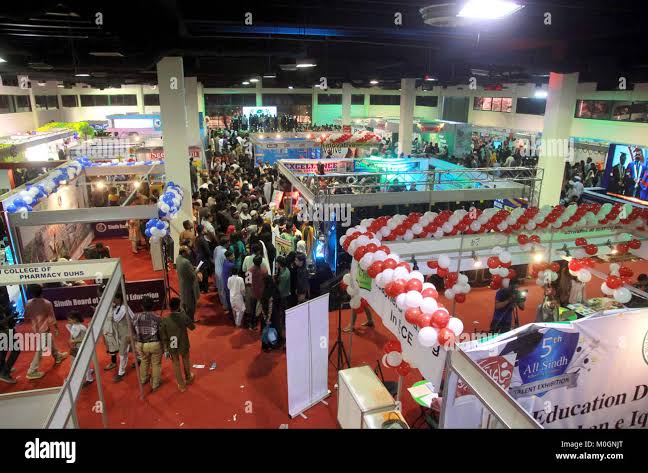
Walk any trade floor in Karachi and you can spot the exhibitors who thought about their booth as an afterthought within about five seconds. Generic banners. A folding table pushed against a wall. A product sitting there with nobody explaining why it matters. Then you spot the booths that actually work, and the difference is rarely budget. It is planning.
The best trade show & exhibition planner in Karachi treats a booth as the entire commercial argument for showing up in the first place, not a decorative afterthought bolted onto a bigger event.
Floor Space Shapes Everything Before Design Even Starts
Booth planning genuinely begins with the space itself, not the graphics. How much floor area is available, where the booth sits relative to the main traffic flow, and how visitors will actually approach it all determine what kind of layout makes sense before a single design decision gets made.
A booth tucked into a corner needs a different approach than one on a main aisle with visibility from three directions. Planners who scout the actual floor plan before designing anything tend to catch these constraints early, rather than building a beautiful concept that simply does not fit the space once it arrives on site.
Branding Has to Work From Across the Room
Most visitors decide whether to approach a booth from ten or fifteen feet away, which means signage and graphics need to communicate instantly, not just look good up close. A trade show & exhibition planner in Karachi with real experience designs branding hierarchy deliberately, making the company name and core message visible from a distance, and supporting detail for visitors who actually walk up.
Booths that cram every detail into equally sized text at booth-level height tend to lose visitors before they ever get close enough to read anything, which defeats the entire purpose of showing up.
Fabrication Quality Shows Up in the Small Details
Custom or modular structures, counters, signage, lighting, and display areas all need to hold up across a multi-day exhibition, not just look good in a render. A poorly fabricated booth develops visible wear by the second day, a loose panel, a flickering light, and a counter that wobbles when a visitor leans on it.
Experienced fabrication teams build with this in mind from the start, choosing materials and construction methods that survive real foot traffic rather than a single photograph taken on setup day before anyone has actually used the space.
Visitor Flow Inside the Booth Matters More Than People Expect
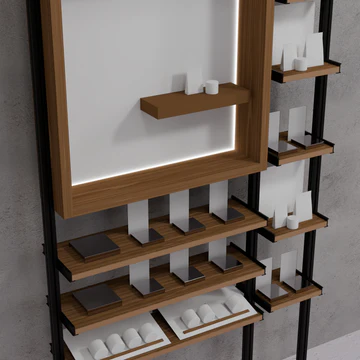
A booth can have excellent graphics and still fail if visitors cannot move through it naturally. Product displays positioned awkwardly, counters blocking the entrance, or a layout that forces visitors into a single file line all quietly discourage people from actually stepping inside.
Planners who think through this deliberately position key products at eye level, keep pathways open, and design the booth so a visitor can browse comfortably without feeling cornered by a staff member the moment they step in.
Lighting Changes How a Booth Reads Entirely
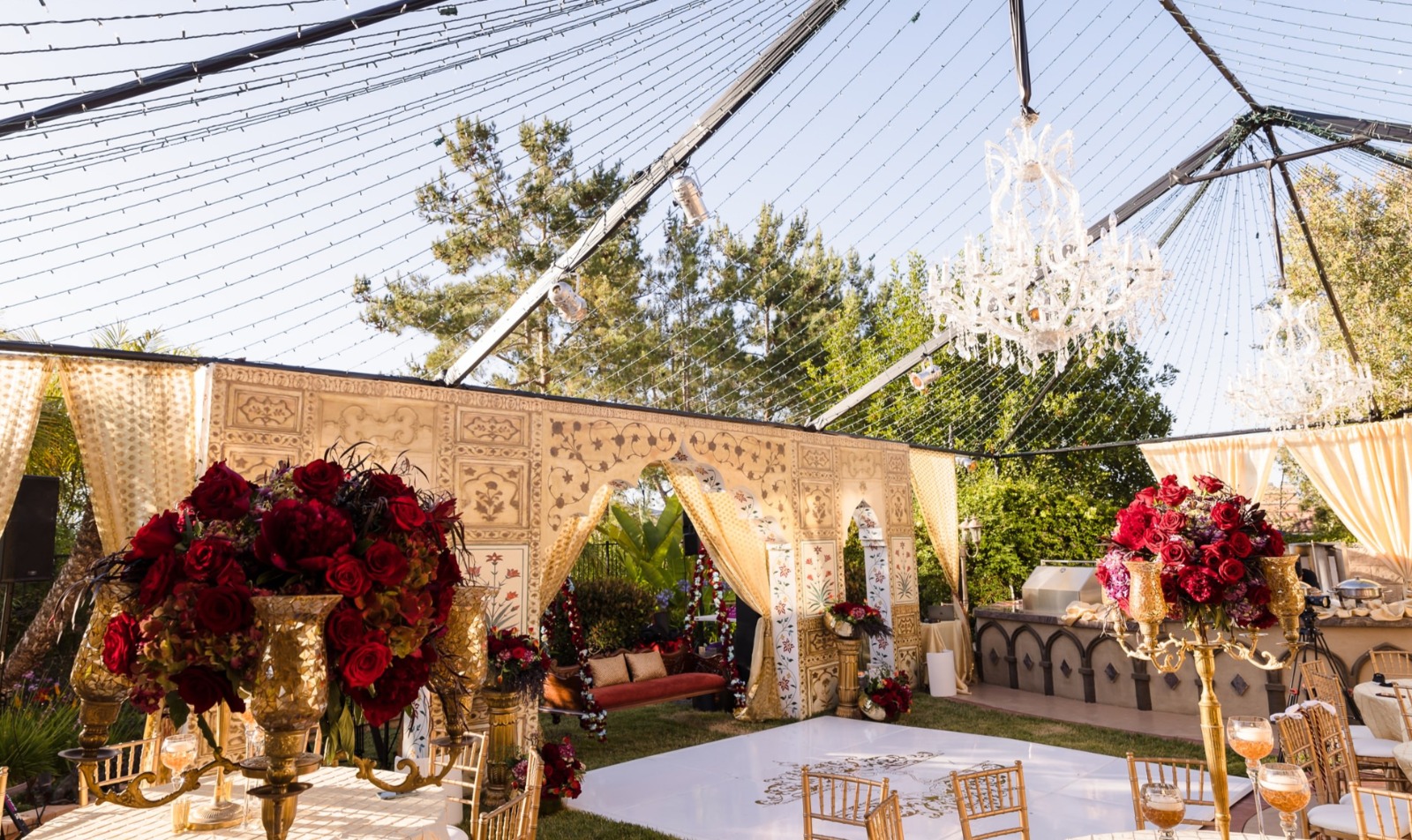
Exhibition hall lighting is rarely flattering on its own. Booths that rely purely on ambient venue lighting often look flat and uninviting compared to ones with their own dedicated lighting design highlighting products and signage specifically. This is a relatively small investment that tends to produce an outsized visual difference on the actual floor.
Installation and Dismantling Are Their Own Discipline
A booth needs to go up correctly within a tight setup window, often shared with dozens of other exhibitors competing for the same loading access and time slots. It also needs to come down efficiently once the exhibition ends, without damage that affects reuse for a future event.
A trade show & exhibition planner in Karachi experienced with this process plans installation timing carefully, coordinating with venue logistics rather than assuming setup will simply happen smoothly regardless of how many other exhibitors are working the same floor at the same time.
What This Looks Like Across Karachi’s Exhibition Venues
Different Karachi venues bring different constraints to booth planning. The Convention Center suits mid-sized exhibitions comfortably, Expo Centre Karachi handles the largest-scale trade shows in the city, and business districts like DHA and Clifton tend to host premium brand showcases where visual polish carries particular weight, while areas like PECHS and Gulshan e Iqbal often support business-focused expos with a more functional, networking-driven format.
A planner familiar with these venue-specific dynamics designs a booth suited to the actual audience and format, rather than applying an identical template regardless of where the exhibition is taking place.
Why This Actually Matters to Your Bottom Line
None of this is purely aesthetic. A well-designed booth generates more visitor conversations, more product demonstrations, and ultimately more qualified leads than an identical product displayed in a poorly planned space. The exhibition fee is the same either way. The return on that fee depends heavily on whether the booth actually does its job once the floor opens.
Exhibitors comparing options for the best exhibition event planner in Karachi are generally better served asking to see recent booth work specifically, not just the exhibition’s overall production, since booth design is really its own specialized skill within the broader event.
The Real Test of a Trade Show Planner
What the Best Trade Show & Exhibition Planner in Karachi Checks First
The clearest sign of a genuinely capable trade show & exhibition planner in Karachi is whether they ask about your specific commercial goals before proposing a design, lead generation, brand awareness, or product demonstration, since each of these calls for a meaningfully different booth approach. A planner who leads with a generic template rather than your actual objective is usually optimizing for their own convenience rather than your exhibition’s success.
A Practical Way to Judge Booth Work Before You Commit
Rather than trusting a proposal deck alone, ask to walk a recently completed booth in person if one happens to still be standing, or review close-up photographs taken after the exhibition floor had already been open for a full day rather than only fresh installation shots. Wear and finish quality after real foot traffic tells you far more about fabrication standards than day one photography ever will.
It is also worth asking directly how a planner sources materials for signage and structural elements, since cheaper materials often photograph identically to premium ones in a rendering but behave very differently once handled by hundreds of visitors across a multi-day event.
Budget Allocation Within a Booth Project
Exhibitors sometimes assume the entire booth budget should go toward visual design, when in practice a meaningful share needs to cover structural fabrication, lighting, and installation logistics that never appear directly in a final photograph but determine whether the booth actually survives the exhibition intact.
A transparent, itemized proposal covering design, fabrication, lighting, and installation separately gives a far clearer picture of where the investment is actually going than a single bundled number, and it is one of the more reliable signals that a planner has genuinely costed the project rather than estimating loosely.
Bringing It Back to the Exhibition Floor
Ultimately, a booth exists to do one job: turn floor traffic into actual conversations and leads. Every design decision, from floor space usage to lighting to visitor flow, should trace back to that single purpose. Exhibitors who keep this focus front and center, rather than treating the booth as pure decoration, tend to walk away from an exhibition with measurably better results than the size of their investment alone would predict. This is really the whole case for hiring the best trade show & exhibition planner in Karachi rather than assembling a booth without a coordinated strategy behind it.