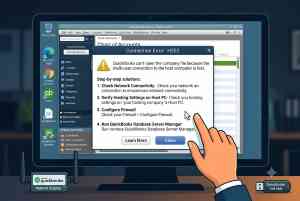

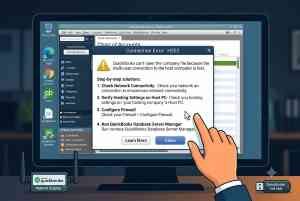
QuickBooks Desktop remains a practical accounting solution for many businesses that need organized financial records, invoicing, payroll management, reporting, and transaction tracking. While the software can simplify daily accounting tasks, users may occasionally encounter installation problems, login difficulties, company file errors, update issues, network connection problems, or performance-related concerns. Understanding how to identify and address these issues can help businesses maintain a smoother accounting workflow.
For businesses that need additional assistance, reliable resources can make troubleshooting easier. Users looking for get QuickBooks Desktop support in Los Angeles can explore guidance related to common QuickBooks Desktop challenges and practical troubleshooting approaches.
Understanding QuickBooks Desktop for Business Operations
QuickBooks Desktop provides businesses with tools for managing several important accounting activities from a centralized application. Depending on the edition and configuration, businesses can use the software for recording income and expenses, preparing invoices, managing customers and vendors, tracking payments, generating reports, and organizing company financial information.
Because accounting data is important to daily operations, even a small software problem can interrupt normal business processes. A company file that fails to open, an application that freezes, or a network connection that prevents multiple users from accessing information can create unnecessary delays.
The first step toward resolving such problems is identifying the type of issue. Different QuickBooks Desktop problems require different troubleshooting methods, so understanding the symptoms can save time.
Common QuickBooks Desktop Problems
Business users may experience a variety of QuickBooks Desktop issues. Some problems occur during installation or updates, while others appear during normal use.
Common examples include:
- QuickBooks Desktop not opening
- Application freezing or responding slowly
- Company files failing to open
- Login and password-related difficulties
- Update installation errors
- Missing or damaged company data
- Multi-user mode connection problems
- Network configuration issues
- Printing and PDF-related errors
- Incorrect or incomplete software installation
- Backup and restore difficulties
Recognizing the problem before making changes is important. Users should avoid deleting or modifying important accounting files without first creating a secure backup.
Preparing Before Troubleshooting
Before beginning troubleshooting, business users should take a few precautions. First, make sure important company files are backed up. A recent backup provides an additional layer of protection if troubleshooting requires changes to software settings or company-file configurations.
Users should also record the exact error message whenever one appears. An error message can provide useful information about what part of the application is experiencing difficulty.
It can also be helpful to note when the problem started. For example, if QuickBooks worked normally until a recent Windows update, software update, or network configuration change, that information may help narrow down the possible cause.
Closing unnecessary applications can also improve system resources while troubleshooting. If QuickBooks is running slowly, checking available storage, memory, and system performance may be worthwhile.
QuickBooks Desktop Installation Issues
Installation problems can prevent users from accessing QuickBooks entirely. Issues may occur because of incomplete installation files, conflicting applications, insufficient permissions, or system compatibility problems.
When installation does not complete successfully, users should first confirm that their computer meets the requirements for the QuickBooks Desktop version they are installing. They should also make sure they have appropriate administrative permissions.
Temporarily closing unnecessary applications can sometimes prevent conflicts during installation. If an installation repeatedly fails, removing an incomplete installation and starting again with a fresh installer may be necessary.
Users should always obtain installation files from a legitimate source and keep their product information available during the setup process.
Resolving QuickBooks Desktop Login Problems
Login issues can prevent users from accessing their accounting environment even when the software itself launches correctly.
A basic troubleshooting process includes checking the username and password carefully, confirming that the correct company file is being accessed, and verifying that the computer has a stable internet connection when online verification is required.
If credentials are forgotten, users should follow the appropriate account-recovery process instead of repeatedly entering incorrect information.
Businesses should also limit access to authorized personnel. Strong account practices can help protect sensitive financial information and reduce unnecessary access-related problems.
Company File Problems
Company files contain important accounting information, so problems involving these files should be handled carefully.
A company file may fail to open because of file corruption, incorrect file permissions, network problems, or an issue with the location where the file is stored.
If the file opens on one computer but not another, the problem may be related to the second computer’s configuration or network access. If the file fails to open everywhere, the company file itself may require additional attention.
Maintaining regular backups is one of the most important practices for protecting business accounting information. Backups should ideally be stored in a secure location separate from the primary working file.
QuickBooks Desktop Network and Multi-User Issues
Businesses using QuickBooks Desktop with multiple users may experience network-related problems. Multi-user environments require the participating computers and network configuration to communicate properly.
Symptoms can include users being unable to access the company file, connection interruptions, slow performance, or difficulties switching into multi-user mode.
When troubleshooting a network problem, users can begin by checking whether all computers are connected to the same business network. They should also verify that the company file is stored in the appropriate shared location and that users have the necessary permissions.
If only one workstation has a problem, checking that computer individually can help determine whether the issue is local rather than network-wide.
QuickBooks Desktop Performance Problems
Slow performance can make everyday accounting work frustrating. QuickBooks Desktop may appear slow when handling large company files, running several applications simultaneously, or working on a system with limited available resources.
Users can begin by closing applications that are not required. Keeping Windows and relevant software components updated can also support overall system performance.
The size and condition of a company file can also affect performance. Businesses that have accumulated years of transactions may benefit from reviewing their company-file management practices.
Regular maintenance, appropriate backups, and careful organization can help create a more manageable accounting environment.
Updating QuickBooks Desktop
Keeping software updated can provide access to important fixes and improvements. However, an update can sometimes introduce installation or compatibility issues.
Before applying major changes, businesses should ensure that their accounting data is backed up. Users should also avoid interrupting an update once it has started.
If an update fails, recording the error message and identifying the stage where the process stopped can help with troubleshooting. Checking available disk space and system permissions may also be useful.
Businesses should establish a consistent update routine rather than allowing software maintenance to be overlooked for long periods.
Printing and PDF Problems
QuickBooks Desktop users may rely on printing invoices, reports, checks, and other documents. Printing problems can therefore interrupt normal business operations.
When documents do not print correctly, users can first determine whether the issue affects QuickBooks only or other applications as well. If other programs can print normally, the problem may be related specifically to QuickBooks settings or its printer configuration.
Checking the selected printer, default printer settings, and Windows printer configuration can help identify the source of the problem.
PDF-related issues may require similar troubleshooting. Users should verify that the appropriate printer or PDF option is selected and that the software has permission to create files in the required location.
Protecting QuickBooks Company Data
Data protection should be part of every business’s QuickBooks management strategy. Accounting records can contain sensitive information about customers, vendors, payments, and business finances.
Regular backups provide protection against accidental deletion, hardware problems, software failures, and other unexpected events.
Businesses should also restrict access to accounting systems. Each employee should have only the permissions necessary for their responsibilities.
Secure passwords, reliable backup procedures, and controlled user access can all contribute to better accounting-data protection.
When Professional Assistance May Help
Some QuickBooks Desktop problems can be handled with basic troubleshooting, but more complicated issues may require additional assistance.
Professional support can be useful when a company file repeatedly fails to open, a multi-user environment stops working, installation problems continue after several attempts, or important accounting data appears to be affected.
Before allowing anyone to work with accounting information, businesses should consider the security and trustworthiness of the support provider. Users should avoid sharing passwords or sensitive information unnecessarily.
Having clear documentation about the problem can make a support session more productive. Useful information includes the QuickBooks version, Windows version, exact error message, affected company file, number of affected users, and steps already attempted.
Building a Better QuickBooks Support Routine
Businesses can reduce the impact of software problems by creating a simple support routine. This can include regular backups, software updates, employee training, network checks, and documentation of recurring errors.
Employees should know where company files are stored and who is responsible for accounting-system administration. They should also understand basic security practices and know when an issue should be escalated instead of attempting risky changes themselves.
A documented troubleshooting process can save valuable time. For example, businesses can maintain a record of common errors and the solutions that successfully resolved them.
Choosing the Right Troubleshooting Approach
Not every QuickBooks Desktop issue requires the same solution. A login problem should be approached differently from a company-file problem, while a network issue requires different checks from a printing problem.
A useful troubleshooting process generally follows these steps:
- Identify the exact problem.
- Record any error message.
- Determine how many users are affected.
- Check recent software or system changes.
- Back up important accounting data.
- Perform basic troubleshooting.
- Test the application again.
- Document the result.
- Seek additional assistance if the problem continues.
Following a structured process reduces unnecessary changes and makes it easier to understand what caused the problem.
Helping Employees Use QuickBooks More Effectively
Technical support is only one part of maintaining an effective accounting environment. Employee knowledge also matters.
Businesses can provide basic training on creating backups, handling company files, switching between modes, generating reports, and recognizing common warning messages.
Employees should also understand that accounting software problems should be reported promptly. Ignoring repeated errors can sometimes make troubleshooting more difficult later.
Clear internal procedures can help employees know what they can resolve themselves and when they should contact the person responsible for QuickBooks administration.
Maintaining a Reliable Accounting Environment
QuickBooks Desktop can remain an important part of a business’s accounting workflow when the software, company files, computers, and network environment are properly maintained.
Businesses should regularly review their backup process, software versions, user access, storage availability, and network configuration. Preventive maintenance can help reduce unexpected interruptions.
It is also useful to keep important information organized. Product details, company-file locations, backup information, and previous troubleshooting notes should be accessible to authorized personnel.
Final Thoughts
QuickBooks Desktop can support many everyday business accounting tasks, but technical issues can occasionally interrupt normal operations. Problems involving installation, login access, company files, updates, networking, printing, or performance should be approached carefully and systematically.
The most effective troubleshooting process begins with identifying the specific issue, protecting accounting data through backups, checking basic system conditions, and documenting the results. When an issue is more complicated, obtaining appropriate technical guidance can help businesses avoid unnecessary risks.
For business users seeking additional resources, get QuickBooks Desktop support in Los Angeles can be used as a relevant resource for exploring QuickBooks Desktop support and troubleshooting information. With regular maintenance, good backup practices, secure access controls, and a structured approach to technical problems, businesses can create a more dependable environment for managing their accounting activities.