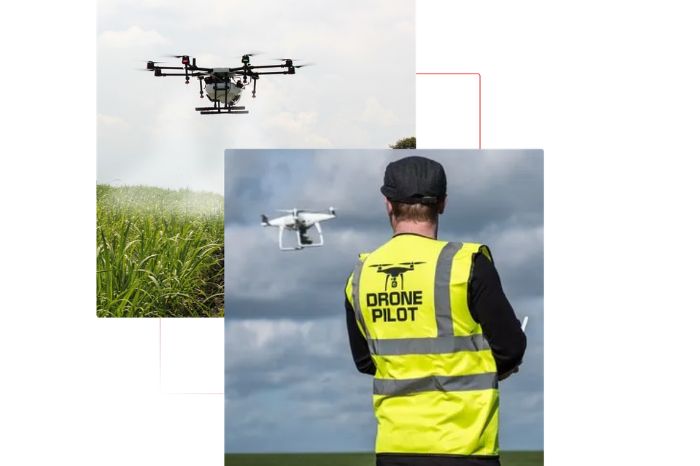
The aviation industry is changing with the growth of drone technology, creating new opportunities for students, working professionals, and aspiring pilots. From aerial photography and surveying to agriculture, infrastructure inspection, and mapping, drones are now used across various industries. If you want to build a career in this growing field, choosing the best drone institute in India is an important first step.
A professional drone training institute can help you develop practical flying skills, understand aviation safety, learn the basics of drone operations, and prepare for the requirements of your chosen career path. However, selecting the right institute requires more than comparing course fees or looking at promotional advertisements. You should consider training quality, instructor experience, practical sessions, regulatory awareness, and the type of drone skills you want to develop.
This guide explains how to choose a suitable drone training institute in India, what to look for in a course, and how professional training can support your aviation career.
Understanding the Growing Scope of Drone Aviation in India
Drones, also known as unmanned aircraft systems (UAS), are used for different commercial, industrial, and professional applications. Their ability to capture aerial data, reach difficult locations, and support efficient operations has increased interest in drone-related careers.
Several industries use drone technology, including:
-
Agriculture: Crop monitoring, field analysis, and agricultural assessment.
-
Surveying and mapping: Land surveys, topographic data collection, and aerial mapping.
-
Infrastructure: Inspection of roads, bridges, power infrastructure, and construction sites.
-
Media and photography: Aerial photography, videography, and content production.
-
Public safety: Support for selected monitoring, inspection, and emergency-response activities.
-
Environmental applications: Land monitoring and selected conservation projects.
The demand for drone-related skills varies by location, industry, employer, and regulatory requirements. Training can help candidates understand the practical responsibilities associated with operating drones safely and professionally.
A career in drone aviation is not limited to learning how to fly a drone. It may also involve mission planning, data collection, equipment handling, maintenance awareness, and industry-specific technical knowledge.
Why Choosing the Right Drone Institute Matters
Drone training is a combination of theoretical knowledge and practical experience. A student may understand basic controls after a short introduction, but professional operations require more comprehensive preparation.
The right training environment should help students build confidence while understanding the responsibilities of operating an unmanned aircraft.
Here are some important reasons to carefully evaluate a drone institute.
1. Structured Learning
A well-organized course introduces concepts in a logical sequence. Students should have the opportunity to learn fundamental drone operations before moving into more advanced exercises.
Training may cover:
-
Drone components and operating principles
-
Flight controls and basic maneuvers
-
Pre-flight and post-flight checks
-
Flight planning
-
Safety procedures
-
Battery and equipment handling
-
Practical operating limitations
The exact syllabus depends on the course and its intended purpose.
2. Practical Flying Experience
Practical training is essential for developing operational skills. Classroom learning can explain how a drone works, but hands-on sessions allow students to practice procedures under supervision.
When comparing institutes, ask about the number and format of practical sessions, the equipment used, instructor supervision, and how students receive feedback.
3. Awareness of Aviation Regulations
Drone operations in India are subject to applicable regulations and requirements established by the relevant authorities. Students should learn how to operate within permitted rules and understand the responsibilities associated with their work.
The Directorate General of Civil Aviation (DGCA) is an important authority in India’s civil aviation framework. Candidates interested in regulated drone pilot training should verify the institute’s current authorization status and the requirements applicable to their intended course.
Training claims should always be checked against official government sources and the institute’s current documentation.
How to Select the Best Drone Institute in India
Choosing a drone institute is a decision that should be based on your career goals, learning requirements, and the quality of training available. Before enrolling, compare different institutes using practical criteria rather than relying only on the phrase “best drone institute.”
1. Check the Course Curriculum
A good training course should clearly explain what students will learn. The curriculum should match the type of drone career you want to pursue.
For beginners, essential topics may include drone fundamentals, flight operations, safety, and equipment handling. Candidates interested in specialized work may need additional training in mapping, surveying, photography, or data processing.
Ask the institute for:
-
Course modules and learning objectives
-
Training duration
-
Practical session details
-
Assessment methods
-
Certification information
-
Any additional software or technical training
A clearly explained curriculum helps you understand what you are paying for and whether the course suits your career plans.
2. Evaluate Instructor Experience
Instructors play an important role in the learning experience. Their knowledge of drone operations, safety procedures, and industry applications can influence how effectively students develop their skills.
When researching an institute, look for information about instructor qualifications and relevant experience. You can also ask whether instructors provide individual feedback during practical sessions.
An instructor should be able to explain technical concepts in simple language, demonstrate safe operating practices, and help students understand mistakes during training.
3. Focus on Practical Training Facilities
Drone training should provide opportunities to develop real-world operating skills. The training location, equipment, and supervision arrangements are important factors to consider.
Before joining, ask:
-
Where are practical sessions conducted?
-
Are drones provided by the institute?
-
How much hands-on flying time is included?
-
Are safety procedures explained before practical exercises?
-
Does the institute offer industry-related exercises?
Practical requirements may differ depending on the type of training and the aircraft category involved.
4. Verify Certification and Regulatory Claims
Some institutes promote courses using terms such as “DGCA-approved,” “government-certified,” or “authorized training.” These claims should be verified carefully.
If you are considering a course that requires recognition or authorization under Indian aviation rules, check the relevant official information and the institute’s current status.
You should also understand the difference between:
-
A course completion certificate issued by an institute
-
A qualification or authorization required under applicable regulations
-
Specialized training certificates for particular skills
-
Industry training that is useful but does not automatically grant permission to conduct every type of drone operation
Do not assume that every drone training certificate provides the same professional or regulatory rights. Confirm the exact outcome before paying course fees.
5. Consider Training Equipment and Learning Support
Drone technology includes different aircraft, sensors, control systems, and software. The equipment used during training should be relevant to the course objectives.
Some students may want to learn basic flight operations, while others may be interested in mapping, surveying, or technical drone applications.
Ask whether the institute provides:
-
Appropriate training drones
-
Flight practice under supervision
-
Equipment safety instructions
-
Technical demonstrations
-
Learning materials
-
Support for questions after classroom sessions
The available equipment and support can influence how comfortable students become with the training process.
Types of Drone Training Courses You Can Explore
The best course for you depends on your experience and the kind of work you want to do after training. Drone education can include introductory courses, professional pilot training, and specialized technical programs.

Beginner Drone Training
Beginner courses are designed for students who are new to drone technology. They may introduce the basic components of a drone, flight controls, safety procedures, and operating practices.
These courses can be useful for understanding whether drone aviation matches your interests before progressing to specialized training.
Topics may include:
-
Introduction to unmanned aircraft
-
Basic flight controls
-
Pre-flight inspection
-
Battery safety
-
Safe takeoff and landing
-
Basic flight practice
The duration and content vary by institute.
Professional Drone Pilot Training
Professional pilot training focuses on developing skills for responsible drone operations. Depending on the course, students may learn practical flight procedures, mission preparation, safety management, and operational planning.
Candidates considering commercial drone work should identify the regulatory requirements that apply to their intended aircraft and operations.
Before joining, confirm whether the course prepares you for a particular certification or regulatory process and what additional requirements may apply.
Drone Mapping and Surveying Training
Drone mapping is used to collect aerial data for selected surveying, construction, land management, and infrastructure applications.
Training in this area may introduce:
-
Flight planning for data collection
-
Aerial image capture
-
Mapping workflows
-
Basic photogrammetry concepts
-
Data processing software
-
Quality checks for collected information
Students interested in surveying should consider whether the institute provides practical exposure to the relevant software and workflows.
Specialized Drone Technology Training
Some learners want to explore technical aspects beyond flight operations. Depending on the institute, specialized training may involve drone systems, sensors, data analysis, or industry-specific applications.
This type of learning may be particularly relevant to candidates with interests in engineering, geospatial technology, agriculture, or other technical fields.
Career Opportunities After Drone Training
Drone training can support different career paths, but employment opportunities depend on your skills, qualifications, experience, and the requirements of individual employers.
Completing a course does not guarantee a job. Building practical competence and developing industry-relevant skills can improve your preparation for professional opportunities.
1. Drone Pilot
Drone pilots operate unmanned aircraft for approved and appropriate professional activities. Their work may involve flight preparation, equipment checks, mission execution, and following safety procedures.
The responsibilities depend on the industry and the type of drone operation.
A professional drone pilot should understand how to prepare for a flight, identify operational risks, and work within applicable rules.
2. Aerial Photography and Videography
Drones are used in selected media and photography projects to capture aerial perspectives. Individuals working in this field may combine flight skills with camera operation, composition, editing, and client communication.
A course focused on professional drone operations can be a starting point, but photography and video production skills may require additional practice.
3. Drone Surveying and Mapping Professional
Drone-based surveying and mapping can involve capturing aerial images and processing data for specific applications.
Professionals working in this area may need knowledge of geospatial tools, surveying principles, and data interpretation.
If this is your career goal, look for training that includes relevant practical exercises and software exposure.
4. Drone Operations Support
Drone-related businesses may require people who can assist with equipment preparation, mission planning, documentation, data handling, and operational coordination.
These positions can involve both technical and organizational responsibilities. Your career options will depend on your existing educational background and the skills developed during training.
5. Drone Technology and Maintenance-Related Roles
Some careers involve supporting drone equipment and technical systems rather than operating aircraft as a primary responsibility.
Relevant areas may include electronics, hardware, maintenance awareness, and troubleshooting. Specialized technical education may be beneficial for candidates pursuing these paths.
Skills You Should Develop Alongside Drone Training
A drone course is only one part of professional development. Students who want to build a long-term aviation-related career should consider developing a combination of technical, practical, and communication skills.
Technical Knowledge
Understanding basic drone components, batteries, sensors, controllers, and flight systems can help you work more confidently with equipment.
You do not necessarily need advanced engineering knowledge to begin pilot training, but an interest in technology can support continued learning.
Safety Awareness
Safety should be central to drone operations. Candidates should understand the importance of pre-flight checks, weather considerations, equipment condition, and compliance with applicable operating requirements.
A responsible approach to safety helps reduce avoidable operational risks.
Communication Skills
Professional drone work may involve clients, project managers, surveyors, engineers, or other team members. Clear communication helps ensure that project requirements and operational limitations are understood.
Problem-Solving
Drone operations can involve changing conditions, equipment concerns, or mission adjustments. Learning how to identify problems and follow appropriate procedures is useful in professional settings.
Continuous Learning
Drone technology continues to develop. New equipment, software, and industry applications may create additional learning requirements.
Students should remain open to improving their skills after completing their initial course.
Why Practical Training Is Important for an Aviation Career
Aviation-related careers require attention to safety, procedures, and technical knowledge. Drone training provides an opportunity to develop skills in a focused learning environment.
For beginners, practical experience can help bridge the gap between theoretical concepts and real-world operations. Instead of only reading about flight controls, students can practice procedures and learn how to respond to common training situations under supervision.
Practical training can also help learners understand their strengths and identify areas where additional practice is needed. This is especially useful for students who want to pursue professional drone operations.
When evaluating a drone institute, consider whether its practical training matches your learning goals and provides adequate supervision.
Common Mistakes to Avoid When Choosing a Drone Institute
Many students focus primarily on course fees or promotional claims when selecting a training institute. While cost is an important consideration, it should not be the only factor.
Here are some common mistakes to avoid.
Choosing a Course Without Checking the Syllabus
A course title may sound attractive, but the actual content determines what you will learn. Always review the syllabus before enrolling.
Relying Only on Marketing Claims
Statements such as “100% job placement” or “guaranteed career” should be evaluated carefully. Ask for clear details about what is included and verify any claims that matter to your decision.
Ignoring Practical Training
A course with limited practical exposure may not meet your needs if you want to develop operational flying skills. Ask about the hands-on training arrangements.
Not Understanding Certification Requirements
Different courses may have different outcomes. Confirm what certificate you will receive and whether it meets the requirements of the career or regulatory pathway you are pursuing.
Selecting a Course Without a Career Goal
You do not need to have your entire career planned before beginning. However, identifying an area of interest—such as piloting, mapping, or aerial photography—can help you select relevant training.
How to Prepare for Your Drone Training Course
You can take several simple steps to prepare for your learning journey.
Research the industry: Learn about drone applications and the type of work available in your area of interest.
Compare institutes: Review course content, practical training, instructor experience, and certification information.
Understand the requirements: Check the applicable aviation rules and any prerequisites for your intended training.
Develop technical awareness: Become familiar with basic drone components, flight concepts, and safety practices.
Set realistic expectations: Training can help you build skills, but career development usually requires continued learning and practical experience.
A thoughtful approach can help you make a more informed decision about your education.
Start Your Drone Aviation Career with the Right Training
Choosing the best drone institute in India is an important step if you want to develop a career in drone aviation. A suitable training program should combine relevant theoretical knowledge, practical experience, safety awareness, and clear information about certification requirements.
Whether you are a beginner exploring drone piloting or someone interested in specialized applications such as surveying and aerial mapping, taking time to compare training options can help you find a course that matches your goals.
CIGPL Drone Training can be included in your research when exploring drone education and professional training opportunities. Visit CIGPL Drone Training to learn more about its available training offerings, course details, and contact options. Review the information directly with the institute to identify a suitable learning path for your aviation interests.
Start by understanding your goals, comparing the available courses, and choosing training that supports your next step in the drone industry.