LED Light technology has become a widely used option for residential, commercial, industrial, and outdoor lighting. From offices and warehouses to parking lots, retail stores, homes, and public spaces, LED fixtures are available in many designs to meet different lighting requirements.
LED stands for light-emitting diode. Unlike traditional bulbs that produce light by heating a filament, LEDs generate light through semiconductor technology. This allows modern LED fixtures to provide useful illumination while using relatively low amounts of electrical power.
With different wattages, lumen outputs, color temperatures, shapes, and mounting options available, LED Light products can be selected for almost any type of lighting application.
What Is an LED Light?
An LED Light is a lighting product that uses light-emitting diodes as its light source. LEDs can be integrated into bulbs, panels, tubes, floodlights, high bays, wall packs, canopy lights, shoebox fixtures, and many other lighting products.
The technology allows manufacturers to create compact fixtures with different light distributions and output levels.
LED lighting is commonly used for both general illumination and specialized applications. The right fixture depends on where it will be installed and how much light the space requires.
Where Are LED Lights Used?
LED Lights can be used across a wide range of environments.
Common applications include:
- Homes
- Offices
- Warehouses
- Retail stores
- Schools
- Hospitals
- Manufacturing facilities
- Parking lots
- Gas stations
- Roads
- Commercial buildings
- Outdoor walkways
- Garages
- Workshops
- Industrial facilities
Each application requires a different lighting approach. A small office, for example, may need Flat Panels, while a warehouse with a high ceiling may require High Bay Lights.
Benefits of LED Lighting
LED technology offers several practical advantages over many traditional lighting options.
Energy Efficiency
LED Lights can produce significant light output while consuming relatively little electrical power. This can help reduce energy consumption in buildings where lighting operates for extended periods.
Actual savings depend on the existing lighting technology, fixture wattage, operating schedule, electricity rates, and number of fixtures.
For businesses with large lighting systems, selecting efficient LED products can be an important part of managing ongoing operating costs.
Long Operating Life
Many LED fixtures are designed for long operating periods. This can reduce the frequency of replacements compared with traditional lamps.
Long operating life can be particularly useful in locations where fixtures are installed at significant heights or in areas that are difficult to access.
Different Light Outputs
LED Lights are available in many lumen levels. This makes it possible to choose fixtures for small spaces as well as large commercial and industrial areas.
Lumens measure visible light output. The required lumen level depends on the room size, ceiling height, fixture spacing, surface conditions, and intended use.
Multiple Color Temperatures
LED products are available in a variety of color temperatures.
Common options include:
- 2700K for a warm appearance
- 3000K for warm white lighting
- 4000K for neutral white lighting
- 5000K for cool white lighting
The appropriate color temperature depends on the environment and desired visual appearance.
Flexible Designs
One of the major advantages of LED technology is the variety of available fixture designs.
LED products can be manufactured as:
- Bulbs
- Tubes
- Flat Panels
- Strip Lights
- Flood Lights
- Wall Pack Lights
- Canopy Lights
- High Bay Lights
- Shoebox Lights
- Area Lights
- Sign Lighting
This flexibility allows LED technology to be used in almost every type of lighting project.
Understanding Lumens and Watts
When choosing an LED Light, it is important to understand the difference between lumens and watts.
Lumens measure the amount of visible light produced by a fixture.
Watts measure electrical power consumption.
In older lighting systems, people often used wattage as a quick way to estimate brightness. With LED technology, lumen output provides a more useful measurement of actual light production.
For example, two LED fixtures can have different wattages while producing similar lumen output. Comparing both specifications can help users evaluate lighting efficiency.
Choosing the Right LED Light
Selecting an LED fixture should begin with the intended application.
Identify the Installation Area
Determine whether the light will be used indoors or outdoors. Outdoor fixtures generally need suitable protection against environmental conditions such as moisture and dust.
The installation location also affects the fixture’s mounting method, size, and light distribution.
Determine the Required Light Level
Different spaces require different amounts of light. A hallway may need less output than a warehouse work area.
Consider the room size, ceiling height, activities performed in the space, existing lighting, and desired coverage before selecting the fixture.
Select the Correct Color Temperature
Color temperature influences the appearance of the space.
Warm white lighting can create a comfortable atmosphere, while neutral and cooler white lighting can provide a brighter appearance suitable for many commercial and work environments.
Check the Fixture Size
The physical dimensions of the fixture should match the available installation space.
For example, Flat Panels are commonly designed to fit standard ceiling grids, while High Bay Lights are designed for elevated industrial ceilings.
Review the Beam Distribution
Beam distribution determines how light spreads from the fixture.
A wide distribution can cover a larger area, while a more focused distribution can direct light toward a specific location.
The correct distribution depends on the application and mounting height.
LED Lights for Commercial Buildings
Commercial buildings often use LED Lights throughout offices, corridors, reception areas, meeting rooms, parking areas, and exterior spaces.
Flat Panels can provide broad ceiling coverage in offices, while wall-mounted fixtures can illuminate building exteriors.
Using appropriate fixtures in each area can create a more consistent lighting system while allowing businesses to select products based on specific requirements.
LED Lights for Warehouses
Warehouses often have high ceilings and large floor areas. Standard residential lighting may not provide sufficient coverage from these mounting heights.
LED High Bay Lights are commonly used for these applications because they are designed to provide strong overhead illumination.
Fixture spacing and beam distribution are particularly important in warehouses with tall storage racks.
LED Lights for Outdoor Areas
Outdoor LED Lights are available for parking lots, walkways, building exteriors, loading areas, and other spaces.
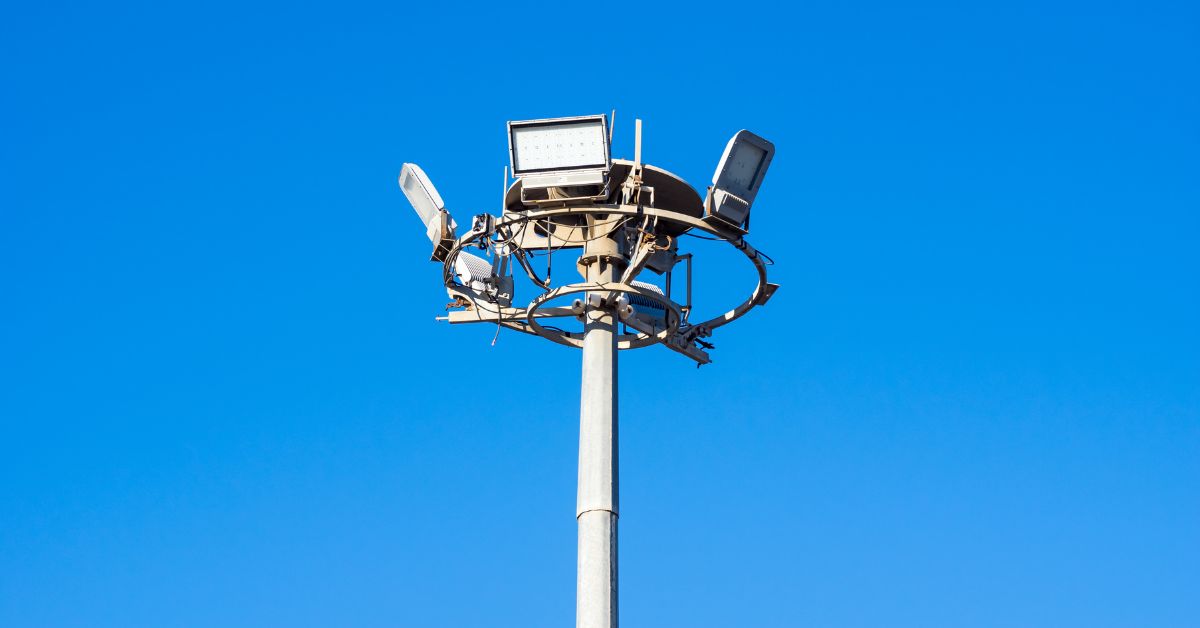
Wall Pack Lights can illuminate building perimeters, while LED Shoebox Lights can provide area lighting from poles.
Outdoor products should be selected according to environmental conditions, mounting height, required coverage, and local requirements.
LED Lights for Gas Stations
Gas stations require lighting around fuel pumps, vehicle areas, entrances, and canopies.
Gas Station LED Canopy Lights are designed for installation beneath canopy structures. They can provide overhead lighting across fueling areas while supporting efficient operation.
The correct fixture depends on canopy dimensions, mounting height, light distribution, and required light levels.
LED Lights for Parking Lots
Parking lot lighting needs to provide coverage across parking spaces, drive lanes, entrances, and pedestrian areas.
LED Shoebox Lights and other LED area lighting products can be mounted on poles to distribute light across large outdoor spaces.
Photometric planning can help determine fixture quantity, spacing, mounting height, and expected light levels.
Installation Considerations
Proper installation is important for LED lighting performance and safety.
Before installation, consider:
- Electrical supply and voltage
- Mounting surface
- Fixture dimensions
- Mounting height
- Fixture spacing
- Environmental conditions
- Light distribution
- Applicable electrical requirements
Electrical work should be performed by qualified professionals where required.
Manufacturers’ installation instructions should also be followed to ensure the fixture is mounted and connected correctly.
LED Lighting Controls
Some LED Lights can be used with modern control systems. Depending on the fixture, available options may include dimming, timers, occupancy sensors, daylight sensors, and photocells.
Controls can help adjust lighting according to building occupancy, daylight conditions, or scheduled operating hours.
Before installing controls, confirm compatibility between the fixture, driver, sensor, and control system.
Maintaining LED Lights
LED lighting generally requires less routine maintenance than many older lighting systems, but periodic inspections remain useful.
Check fixtures for:
- Dust and debris
- Physical damage
- Flickering
- Reduced light output
- Loose mounting components
- Water intrusion
- Damaged wiring
- Uneven illumination
Outdoor fixtures may require occasional cleaning to remove dirt that can affect light distribution.
Any electrical problems should be handled by qualified personnel.
Replacing Traditional Lighting With LED
Businesses upgrading older lighting systems should first evaluate their existing fixtures.
Important information includes:
- Current fixture type
- Wattage
- Number of fixtures
- Operating hours
- Existing lumen output
- Mounting height
- Maintenance history
The proposed LED system should then be compared based on light output, power consumption, installation requirements, and expected maintenance.
A lighting assessment can help determine whether direct replacement or a redesigned layout is more suitable.
Conclusion
LED Light technology provides flexible lighting options for homes, businesses, warehouses, industrial facilities, parking areas, gas stations, schools, and many other environments.
When choosing LED products, consider lumen output, wattage, color temperature, fixture size, beam distribution, mounting method, environmental rating, and the specific requirements of the installation area.
From Flat Panels and High Bay Lights to Wall Pack Lights, Canopy Lights, and LED Shoebox Lights, different fixture designs allow LED technology to address a wide range of lighting needs. A properly planned LED lighting system can provide consistent illumination while supporting efficient operation and manageable maintenance.